


Multi-Modal Transport Strategies for Portable Power Stations to Europe: Air, Sea, and China Railway Express
Shipping a portable power station to Europe is not like sending a regular package. These devices contain lithium-ion batteries, which are classified as dangerous goods (Class 9, UN3480). Choosing the right transport mode—air, sea, or rail—directly affects cost, speed, compliance, and carbon footprint. Many shippers now combine modes to balance these factors. This article explains the pros and cons of each option and how to build a smart multi-modal strategy for Portable Power Station Logistics to Europe.
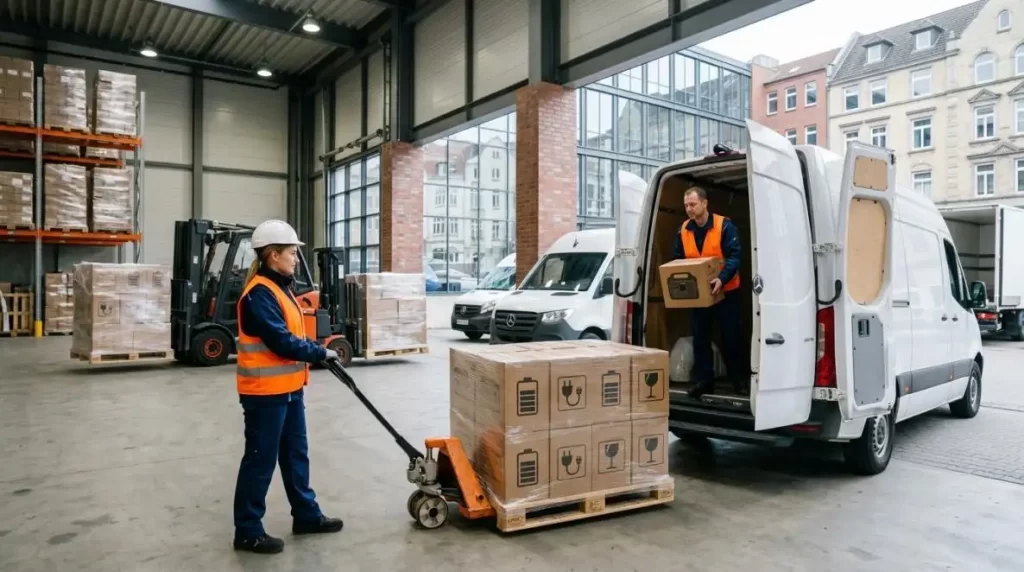
Why Multi–Modal Transport Matters for Portable Power Stations
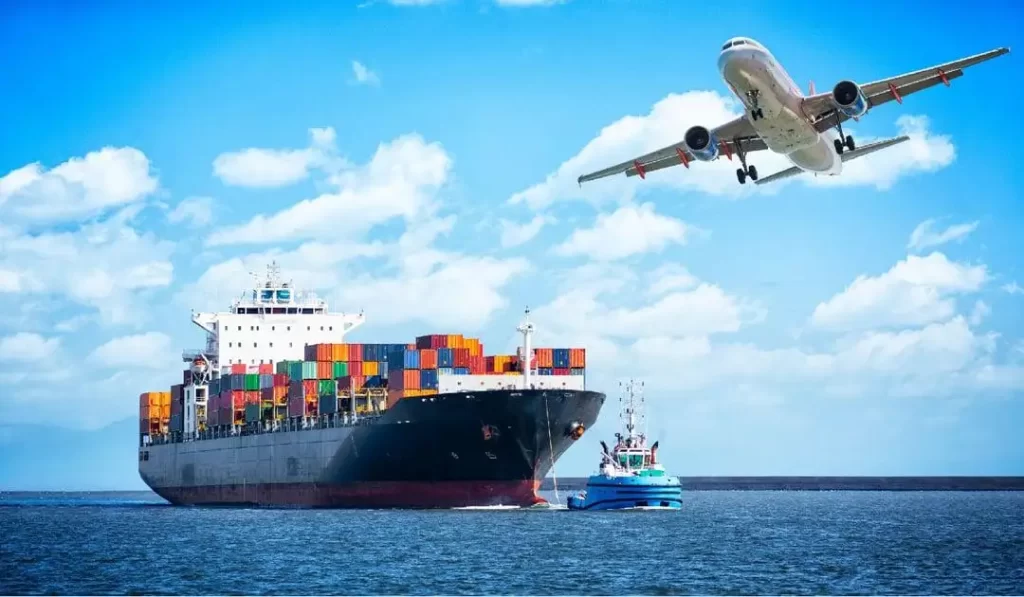
Multi-modal transport uses two or more modes (e.g., sea + rail, air + truck) in a single, coordinated shipment. For lithium-battery products, this approach helps:
• Reduce total logistics costs without breaking delivery windows.
• Comply with stricter European battery regulations (EU 2023/1542, ADR, RID).
• Avoid capacity shortages during peak seasons.
• Lower carbon emissions compared to air freight alone.
A well-designed multi-modal plan is now a competitive advantage for any brand exporting portable power stations to EU countries.
1. Air Freight: Quickest but Least Flexible
Of all transport types, air freight offers the quickest shipping (3-7 days) from China to significant EU locations (Liege, Frankfurt, Amsterdam). Air shipment of Lithium battery cargo is heavily regulated and problematic.

• Air Transport Packing Regulation: Personally Dangerous Goods Regulations Section 1.6 from January 2026, state of charge must be <30% (IATA DGR 64th edition). Each unit must comply with UN38.3, must have the lithium battery mark, and must be accompanied by a dangerous goods declaration.
• Liability and costs: Due to fire risk, many air lines will not ship pure lithium battery (UN3480) shipments. Available space is scarce, and rates can be 3–5 times higher than sea freight.
✅ Best use cases: Time-critical restocking, high-value small units (<500Wh), or sample shipments for product testing in Europe.
Air Freight at a Glance
• Transit time: 3–7 days
• Cost index: Very high
• CO₂ footprint: High
• Compliance difficulty: Very strict (IATA DGR, SoC limit, DG pack required)
2. Sea Freight: Cost–Effective Backbone for Bulk Shipments
Sea freight is the most common choice for medium to large volumes of portable power stations. It follows the International Maritime Dangerous Goods (IMDG) Code.
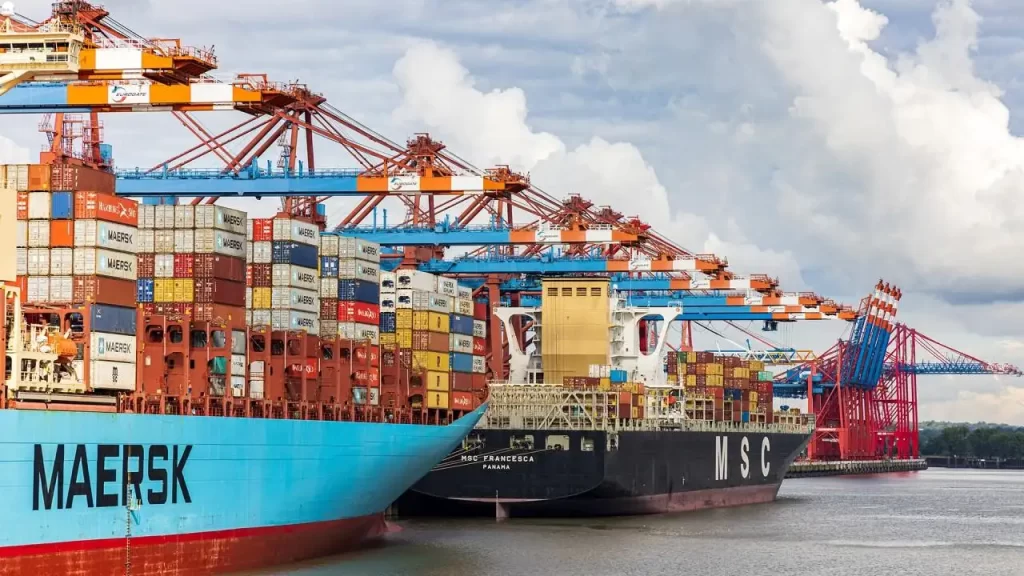
• Economies of scale: FCL (full container load) shipping can reduce per-unit cost by 40–60% compared to air freight. LCL (less than container load) is also available for smaller batches.
• Transit time and reliability: Shipment from Chinese ports – Shanghai, Shenzhen, Ningbo – to either Rotterdam or Hamburg usually takes 35 to 45 days. Other delays include, but are not limited to, customs, congestion at the ports, and bad weather.
• DG compliance at sea: Containers must use UN-certified packaging (e.g., 4G fiberboard boxes), anti-short-circuit protection, and proper segregation from incompatible goods.
✅ Best use cases: Large seasonal inventory builds, cost-sensitive bulk orders, and products with capacity >1500Wh that are too heavy for economical air shipping.
Sea Freight at a Glance
• Transit time: 35–50 days
• Cost index: Low to medium
• CO₂ footprint: Low per unit
• Compliance difficulty: Moderate (IMDG, DG declaration, MSDS, UN packaging)
3. China Railway Express (CRE): The Balanced “Middle Way“
The China Railway Express (also called the China-Europe rail freight) has become a strong alternative for Portable Power Station Logistics to Europe, especially for mid-range shipments. It follows RID (Regulations concerning the International Carriage of Dangerous Goods by Rail).
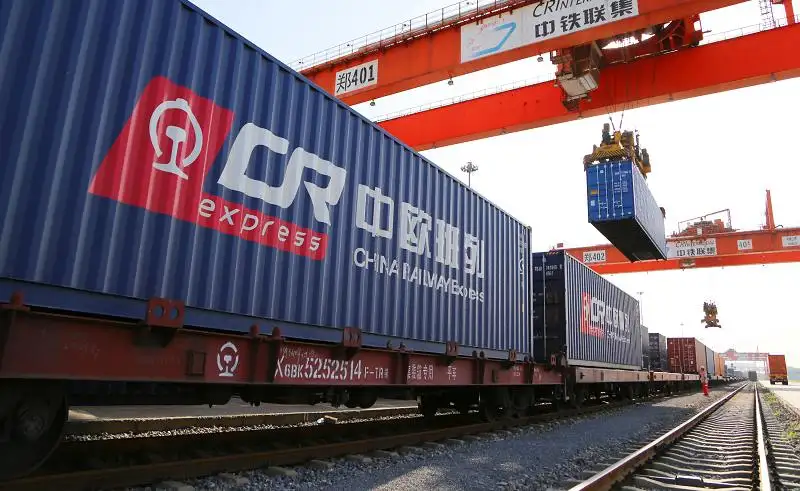
• Competitive transit time: 15–20 days from cities like Xi’an, Chengdu, or Chongqing to Malaszewice (Poland), Duisburg (Germany), or Lyon (France). This is roughly twice as fast as sea and one-third the cost of air.
• Year-round availability: Unlike air freight, rail is less affected by strict airline battery bans. Unlike sea freight, it does not suffer from Suez Canal-type disruptions.
• RID compliance for lithium batteries: SoC ≤30% is also required. Special DG wagons with fire-detection and isolation systems are available. Shippers must use RID-approved packaging and provide a rail-specific dangerous goods note.
✅ Best use cases: High-value mid-tier volumes (e.g., 2–5 containers), time-sensitive but not urgent orders, and companies aiming to reduce carbon footprint (rail emits 1/5 the CO₂ of air).
China Railway Express at a Glance
• Transit time: 15–22 days
• Cost index: Medium (about 30–40% of air freight)
• CO₂ footprint: Low
• Compliance difficulty: Moderate (RID, UN38.3, SoC limit, DG rail documentation)
4. How to Combine Modes: Practical Multi–Modal Strategies
No single mode is perfect for every shipment. Smart shippers mix modes depending on product size, season, and inventory levels.
Strategy A – Sea + Rail (for Central/Eastern Europe)
Ship by sea to a Greek or Polish port (e.g., Piraeus or Gdansk), then transfer to rail for final delivery to landlocked countries like Czech Republic, Austria, or Hungary. This avoids long truck hauls and reduces costs by 15–20% compared to direct sea-to-truck.
Strategy B – Air + Sea (for urgent replenishment)
Keep 70% of your inventory on a slow sea vessel, and use air freight for the remaining 30% to restock best-selling SKUs during peak demand (e.g., winter power outages or summer camping season).
Strategy C – Rail + Truck (the “direct door“ mix)
Use China Railway Express to a central European rail hub (e.g., Duisburg), then break bulk and deliver by ADR-certified trucks to retail warehouses or Amazon FBA centers across Germany, France, Italy, and Spain.
�� Pro tip: Always align your multi-modal plan with EU Incoterms. For DDP shipments, the logistics provider must handle both rail and road DG compliance seamlessly.
5. Key Compliance Documents Across All Modes
For Portable Power Station Logistics to Europe, these documents are necessary for transport via air, sea or rail:
• UN38.3 Test Report: The three-stacked meters test is now required for every battery model, and must be included.
• MSDS: Required EU compliance with the proper UN number (Lithium-ion battery is UN3480).
• Dangerous Goods Declaration: Required for air (IATA), sea (IMDG), and rail (RID) – each has a different format.
• CE Declaration of Conformity: Required to demonstrate battery complies with EU safety and EMC.
• Packaging certificate (UN marking): Example, 4G/XF/S for Fiberboard boxes for the transport of Lithium batteries.
6. Common Mistakes in Multi-Modal Battery Logistics
Even the most experienced shippers make mistakes resulting in fines, customs holds or cargo rejection:
• One set of Dangerous Goods documents for all modes: There is a total rejection of a generic DG declaration at the transshipment points.
• Rail and air SoC limits ignored: 60% SoC batteries are destroyed or refused. For any multi-modal segment involving air or rail, the limit is always 30% or lower.
• No segregation of different battery types in the same container: UN3480 and UN3481 (e.g., Lithium batteries) must be separated by Fire Resistant barriers.
• No Country specific EPR registration: Germany and France (ElektroG, French EPR) require battery producer registration (even with the correct transport documents) for customs clearance.
Fexbuy – Your Go-To for Portable Power Stations Logistics to Europe
Transporting lithium batteries can be difficult. There are multi-modal regulations, complicated packaging, and documents that can overwhelm you.
Fexbuy is an international logistics company with over 20 years of industry expertise with logistics and an extensive history in provision of end-to-end battery supply chain services. Some of what Fexbuy provides includes:
�� Battery compliance & testing services: Assistance with UN38.3, MSDS, DG classification, and battery inspection is provided prior to shipment.
�� DG packaging & multi-channel transport: UN-certification of cartons with anti short-circuit and shock protection and air and DG FCL/LCL sea freight services.
�� Amazon FBA shipping & international warehousing: Customs clearance (HS coding, DG declaration), overseas DG-warehousing, FBA preparation, re-labeling, and processing returns.
�� Visibility with Fexbuy means: digital tracking with automated notifications and a service team that communicates from the point of pick-up to delivery.
With its specialized, highly controlled services, Fexbuy allows you to send your portable power stations to Europe with the peace of mind that your shipment will be sent in an efficient manner and in compliance with the regulations set by the Chinese and EU customs.
FAQs: European Logistics for Portable Power Stations
Q1: How can we minimize costs when shipping portable power stations to Europe?
A: If you have an order that weighs over 500 kilogram, the cheapest option is shipping via the ocean and will involve either a full container load (FCL) or a less-than-full container load (LCL). A shipping time estimate would be approximately 35-50 days.
Q2: Air shipping for portable power stations – is that possible in 2026?
A: That would be possible, however, Power Stations would need to be under 30% SoC, have a UN38.3 test report and a declaration of dangerous goods, and have the approval of the air freight company. In addition, air freight would be more expensive than ocean freight.
Q3: What are the advantages of the China Railway Express (CRE)?
A: CRE has good value. Transit times take about 15 to 20 days, it is only 40% of the cost of air freight, and has a better footprint of CO2 versus air freight. It also is compliant with RID transport regulations of lithium batteries.
Q4: What is necessary for all transport modes?
A: UN38.3 test report, MSDS, dangerous goods declaration, CE mark, UN-certified packaging. For air/rail, the battery state of charge (SoC), must be under 30%.
Q5: Can I use Amazon FBA for portable power stations in Europe?
A: Yes, but you need DG-compliant shipping, CE declaration, battery EPR registration (per country), and FBA’s dangerous goods approval. Fexbuy offers FBA-ready logistics.


