


US, EU & Australia Customs: Special Inspection Rules for Lithium Battery Dangerous Goods Shipping
Shipping lithium batteries internationally by sea is an involved process. Beyond adhering to the International Maritime Dangerous Goods (IMDG) Code, exporters must deal with the different inspection regimes of various countries. The United States, the European Union, and Australia, for example, have their own customs inspections for Lithium Battery Dangerous Goods Shipping. Ignoring any of these locality laws may result in significant delays, costly penalties, or the destruction of the shipping containers.
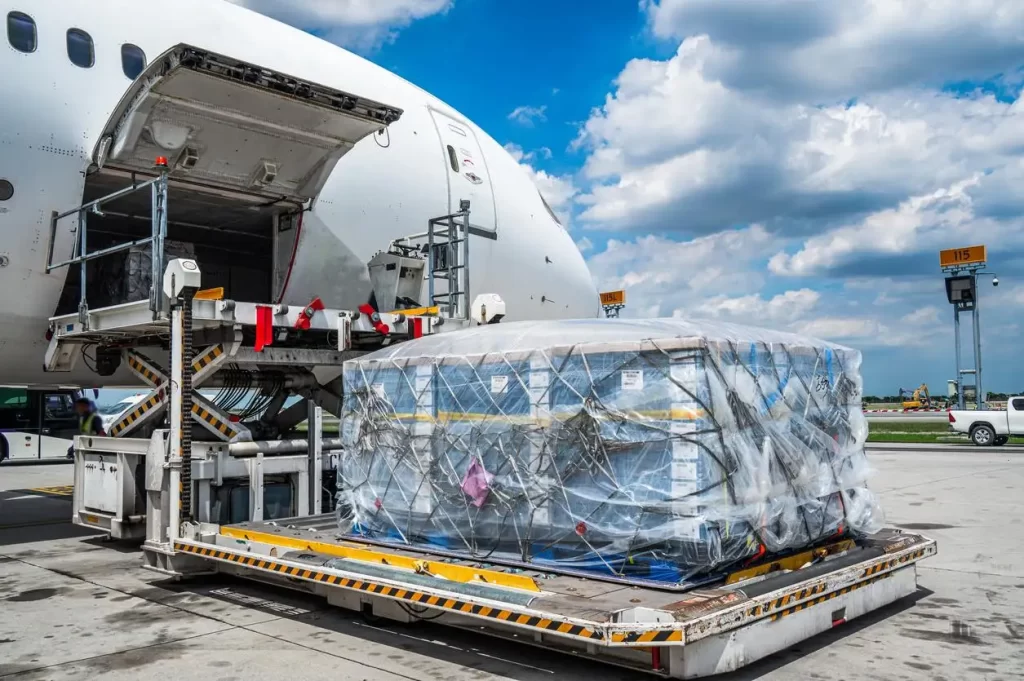
What follows is a neutral education guide for the additional inspections you may expect when shipping lithium batteries to the three largest economies in the world.
1. United States – CBP and Partner Agencies
U.S. Customs and Border Protection (CBP) has focused its scrutiny of Lithium Battery Dangerous Goods Shipping with the CPSC, the EPA, and the PHMSA. This is in response to a number of battery and cargo shipping related fire occurrences at US ports.
Inspection Focus
• Battery Packing and Labeling
CBP officers check that the lithium shipping marks, which include a diamond shaped symbol with a battery, are shown for each unit, with the appropriate UN number. Shipping marks that are omitted or that show shipping marks that have grown faint will result in an immediate detention.
• Hazardous Material Declaration
The shipper’s Dangerous Goods Declaration (DGD) must match the actual cargo. CBP cross-checks UN38.3 test summaries, MSDS, and the shipper’s declaration. Discrepancies in net quantity or packing instruction (e.g., PI965 vs. PI966) are common red flags.
• Lithium Battery Test Summary (LBTS)
Under PHMSA rules, importers must provide a UN38.3 test summary in English upon request. CBP has started asking for it during exam.
• EPA Requirements
For waste or defective batteries, EPA’s hazardous waste regulations apply. Exporters often overlook this, causing rejection.
Typical Consequences of Non-Compliance
• Increased examination rate (CBP may flag your consignee for years)
• Penalties starting at $10,000 per violation
• Seizure and destruction of non-compliant batteries
2. European Union – National Customs & Market Surveillance
The EU does not have a single customs authority; each member state enforces EU-wide rules. There are now new requirements for shipping Lithium Battery Dangerous Goods because of the new EU Battery Regulation (2023/1542).
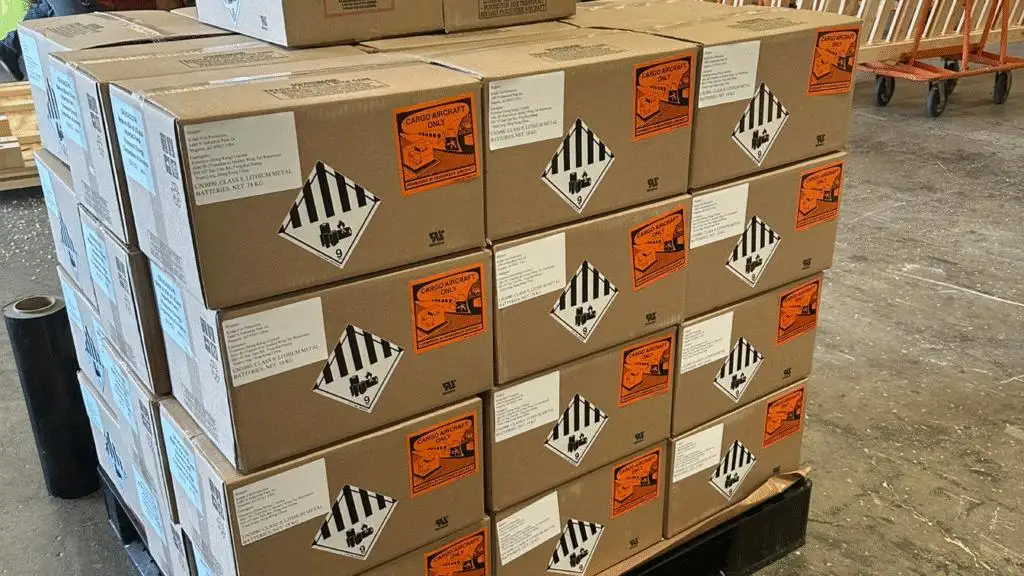
Extra Safety Inspections in EU Ports (Rotterdam, Hamburg, Antwerp)
• CE Markings and Declarations of Conformity
Customs may require proof that battery cells or packs meet EU safety and performance requirements. Even for sea freight, the absence of a CE mark can lead to detention.
• Restricted Substances
The regulation limits mercury, cadmium, and lead in batteries. Customs can sample and test for these substances. Non-compliant shipments are refused entry.
• Digital Battery Passport (coming soon)
Although not fully enforced as of 2026, EU customs already check for traceability documentation. Exporters should prepare QR-coded or digital records.
• Waste Battery Rules
If your shipment contains used or end-of-life batteries, you must register as a producer in the destination country. Failure results in denied discharge.
Common Mistakes Seen by EU Customs
• Incorrect HS codes (e.g., using 850760 instead of the proper subheading for lithium-ion accumulators)
• Missing MSDS in the local language (e.g., Dutch or German for those ports)
• Inadequate overpack marking when consolidating several battery packages
3. Australia – AMSA & ABF Strict Enforcement
Australia’s Australian Maritime Safety Authority (AMSA) and Australian Border Force (ABF) are known for zero tolerance on misdeclared dangerous goods. They conduct targeted inspections on containers declared as containing Lithium Battery Dangerous Goods Shipping.
What ABF Examiners Look For
• SoC (State of Charge) Verification
Australia enforces the ≤30% SoC rule rigorously. ABF uses portable testers to measure voltage on site. Any battery found above 30% is considered a violation.
• Packaging Integrity
UN-certified packaging must be free of damage, moisture, and conductive materials. ABF officers check for internal short-circuit protection (each cell/bag must be isolated).
• Emergency Response Information
The transport document must include a 24-hour emergency contact number. Missing this triggers immediate hold and a demand for a Corrective Action Request (CAR).
• AQIS Biosecurity Overlap
If battery packages use wooden pallets or fiberboard, Australian Quarantine and Inspection Service (AQIS) may inspect for bark or pests. Contaminated pallets cause secondary hold.
Real–World Outcome of an ABF Exam
A single container misdeclared as “electronics” while containing UN3480 batteries can face:
• AUD 25,000+ penalty
• Mandatory re-export or destruction
• Blacklisting of the Australian importer
How to Prepare for These Special Inspections
No matter the destination, these universal steps reduce your risk during Lithium Battery Dangerous Goods Shipping:
• Pre-shipment compliance audit – verify UN38.3, MSDS, DGD, and LBTS before booking.
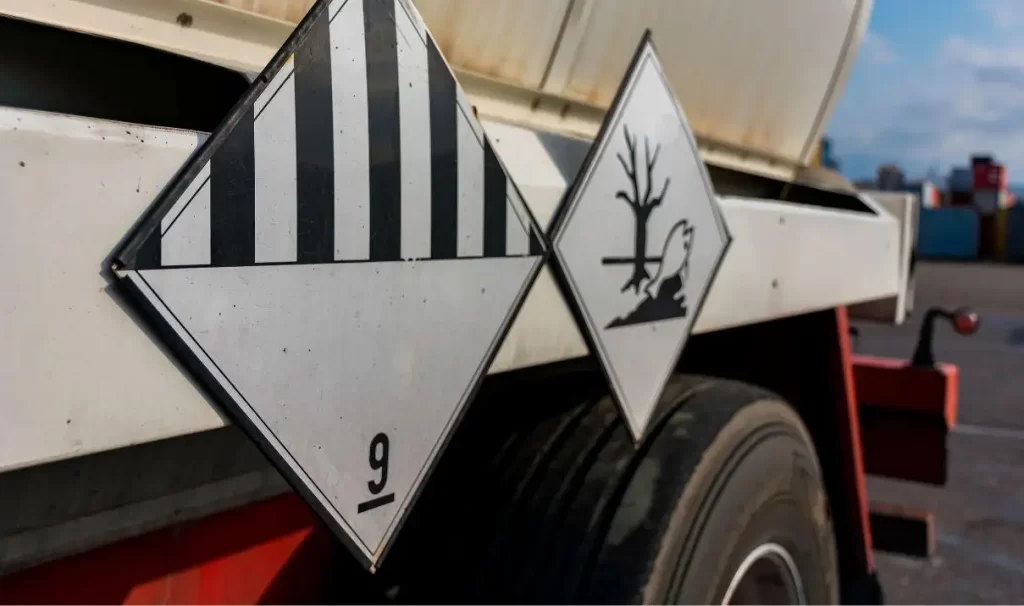
• Proper marking & labelling – use durable, waterproof labels with correct hazard class (9).
• Test SoC – document the open-circuit voltage for each batch.
• Hire a DG-qualified forwarder – customs brokers without DG expertise often make filing errors.
Why Choose Fexbuy for Your Lithium Battery Logistics?
Navigating US, EU, and Australian customs requires more than general freight knowledge. You need a partner who lives and breathes Lithium Battery Dangerous Goods Shipping every day.
BATTERY SOLUTIONS
We provide you with a complete set of secured, efficient and compliant battery logistics services, specially designed to meet the challenges of your global end-to-end battery supply chain. We can cater for all types and sizes of lithium battery, and for sectors such as automotive, technology, healthcare, industrial and aerospace, consumer and retail.
Industry Challenges – Solved
• Complex compliance & changing regulations → We handle IATA DGR, UN38.3, MSDS, and country-specific codes.
• Limited air/sea capacity → Our dedicated battery lines secure space even for UN3480.
• Strict packaging & DG declaration → We supply UN-certified cartons and full DG documentation.
• Cross-border customs → We pre-clear US, EU, and Australian requirements.
One–Stop Battery Overseas Logistics Solution
• Battery Compliance & Testing – UN38.3 guidance, MSDS review, DG classification support.
• DG Packaging & International Transport – UN-certified cartons, anti-short-circuit protection, DG FCL/LCL sea freight.
• Fulfillment By Amazon Shipping – FBA prep, relabeling, returns.
• Global Customs & Warehousing – HS coding, DG declaration, DG-ready overseas warehouses.
With real-time tracking, automated alerts, and dedicated support, Fexbuy gives you full transparency from pickup to final delivery. For lithium battery shipping that is safe, efficient, and completely adherent to regulations, we are your best possible partner.
Frequently Asked Questions (FAQ)
Q1. Why does US Customs most often detain a shipment of lithium batteries?
Most times, it is due to the erroneous and/or missing lithium battery markings, and Dangerous Goods Declaration (DGD) does not match. The CBP also often requests the UN38.3 test summary.
Q2. Is the CE mark required for lithium batteries shipped by sea to the EU?
Yes, under the EU Battery Regulation commercial sea freight suppliers must hold CE marking with a Declaration of Conformity. Customs may demand them at any time.
Q3. How does Australia check the state of charge of lithium batteries?
ABF personnel check with portable voltage testers. Those with a SoC greater than 30% are a violation and are liable to a fine and/or re-export.
Q4. Can I ship UN3480 (lithium ion batteries alone) by sea to all three regions?
Yes, but you must comply with IMDG Code packing instruction P903 or P965, keep SoC ≤30%, and provide complete DG documents. Each region has additional spot checks.
Q5. How can Fexbuy help reduce inspection risks?
Fexbuy performs pre-shipment compliance audits (UN38.3, MSDS, DGD), supplies UN-certified packaging, handles DG-compliant sea freight, and manages local customs clearance in the US, EU, and Australia – all under one roof.


