


IATA Lithium Battery Shipping Compliance 2026: New State of Charge & Labels
Complying with IATA lithium battery shipping requirements means being able to track the rapid and continuous changes to IATA Lithium Battery and Dangerous Goods Regulations. The first major revision to be published in 2026 will have two significant changes affecting the transport of air cargo: a redesign and re-mandating of the Lithium Battery Mark, and a new requirement introducing changes to the State of Charge (SoC) of lithium batteries.
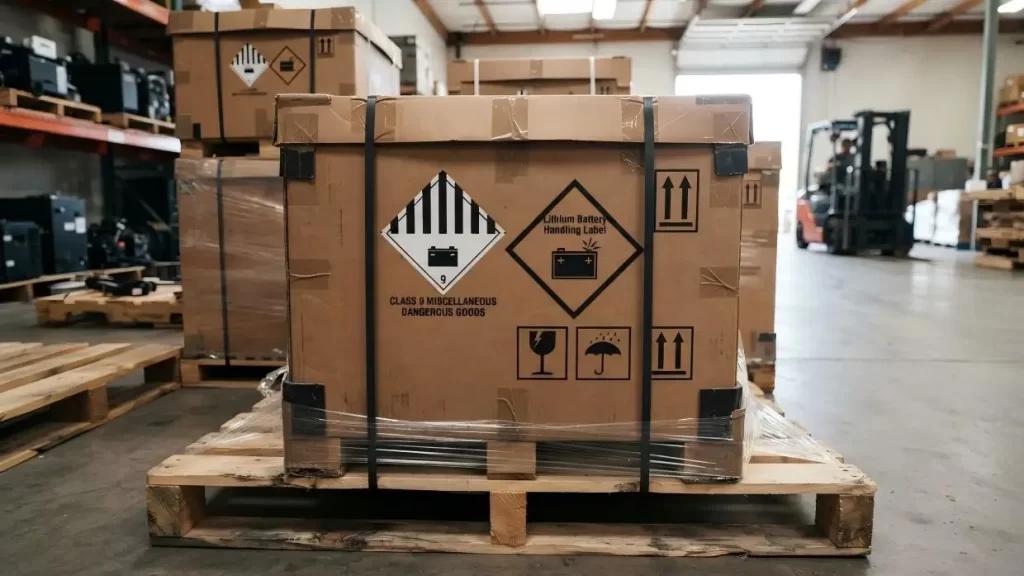
This article outlines the regulatory changes and impacts and the desired responses from shippers to maintain compliance.
1. 2026 DGR Regulatory Background
Regulatory revisions to the IATA DGR happen every year to capture new data points on safety, evaluate incidents, and respond to feedback from the membership. The 66th edition (2025) set a threshold for a 30% State of Charge.
The 2026 revision will standardize and further extend the 2025 revisions and will complete the transition to the Lithium Battery Handling Mark. The goal of the revisions will stay the same:
• Reduce the risk of thermal runaway for the transport of lithium batteries by air
• Improve the communication of hazards for shipments of lithium batteries on a global scale
• Improve the safety and integrity of the packaging and the handling of the shipment of lithium batteries.
2. Expanded State of Charge (SoC) Requirement
The biggest change for the 2026 IATA Lithium Battery shipping regulations will be the wider application of the State of Charge requirement.
Regulatory Changes
Effective January 1, 2026, the 30% State of Charge (SoC) limit will apply to:
• UN3480 (Lithium Ion Batteries Shipped Alone)
• UN3481 (Lithium Ion Batteries Packed with or Contained in the Equipment)
This will specifically apply to:
• Section IB Shipments
• Section II Shipments
Regulatory Requirement
• Maximum SoC: ≤30% of rated capacity at the time of dispatch
• Applies to: lithium ion cells and batteries of UN3480 and UN3481 within the IB and II provisions
Safety Considerations
A lower charge state:
• Reduces the energy available to react and escalate in case of failure
• Helps to mitigate the escalation of virtually all thermal event situations
• Is complementing packaging, testing and handling regulations
Important Note
Lithium metal batteries:
• UN3090 / UN3091 are not impacted by SoC restrictions
• Safety considerations are fulfilled through lithium limits and packaging regulations
• Correct classification is a prerequisite for fulfilling all regulations
3. New Lithium Battery Mark (Mandatory in 2026)
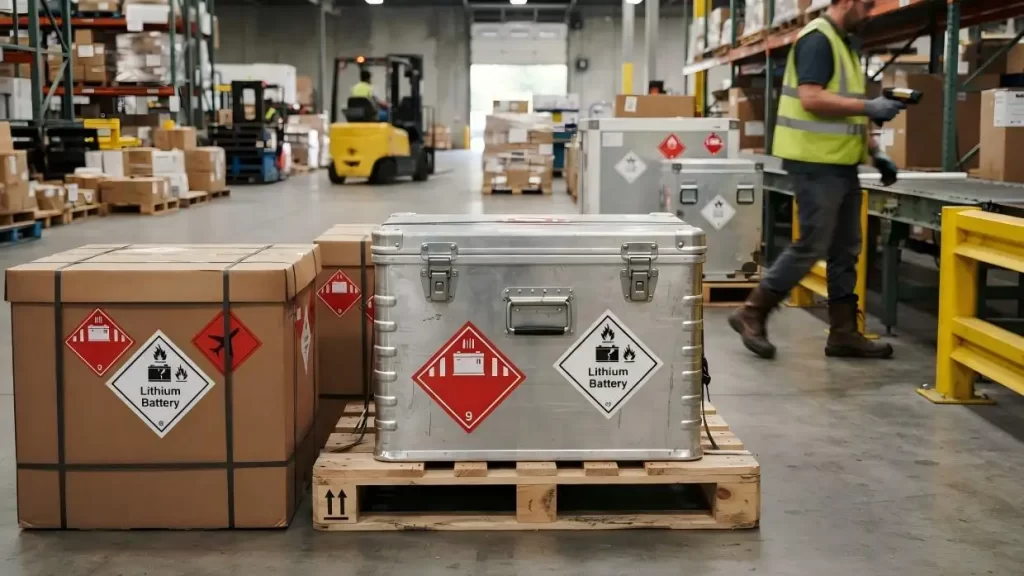
A key change to the 2026 IATA lithium battery shipping regulations is the requirement for compliance with the new lithium battery mark.
Transition Status
• 2025: Old and new marks both allowed (transition)
• 2026: Acceptable mark is new mark only
Mandatory Mark Requirements
The new lithium battery mark must include:
• Battery type:
- “Lithium ion battery(ies)” and/or
- “Lithium metal battery(ies)”
• UN number(s) issued in a visible area
• Standard graphic format of new design
Most Notable Change
• Removal of the requirement to provide the telephone number on the mark
• Contact information for emergencies is provided in the accompanying documentation
Compliance Consequences
Failure to mark in compliance with the new requirements may result:
• Shipping delays
• Refusal of carriage by the airline
• Failure of Customs to clear the shipment or failure to obtain Dangerous Goods clearance
4. Compliance Comparison Overview
| Requirement | 2025 DGR (Transition) | 2026 DGR (Mandatory) |
| Lithium battery mark design | Old or new allowed | New design only |
| Battery type text | Required for new design | Mandatory on all marks |
| UN number on mark | Optional during transition | Mandatory |
| Phone number on mark | Sometimes required | No longer required |
| SoC limit (UN3481 Section II) | Not applicable | ≤ 30% mandatory |
5. Practical Compliance Checklist for Shippers
IATA has defined the following controls for shippers in relation to their new compliance requirements for the shipment of lithium batteries:
1. Verify Classification of Batteries
• Verify correct UN number: UN3480, UN3481, UN3090, or UN3091
• Ensure correct packing instruction assignment
2. Implement SoC Control System
• Establish the capability to check the State of Charge (SoC) for shipments.
• Ensure that lithium-ion batteries are ≤ 30% SoC (if applicable) prior to shipment.
• Ensure that there is a record of the SoC check for auditing purposes.

3. Update Labeling Systems
• Ensure that lithium battery marks that are in the legacy system are completely removed.
• Ensure that the new 2026 battery mark is the only mark used.
• Train the employees engaged in warehouse and packaging operations.
4. Revise DG Documentation
• DG Declarations revisions will include the latest changes of the Dangerous Goods Regulation (DGR).
• Check that all documents, declarations, and labels are consistent.
5. Correspond with Airlines and Forwarders
• Ensure compliance with the acceptance criteria of the relevant carrier.
• Ensure that there are no further restrictions beyond the IATA minimum requirements.
6. Staying Ahead of Future Regulatory Changes
The IATA lithium battery regulations are constantly changing with the other regulations and the changing safety data of the other battery technologies.
The new regulations may focus on:
• Increased controls on damaged and defective batteries.
• Changes in the requirements for the performance of transport packages.
• Changes in the requirements for the documentation and the declarations.
Sustainable compliance will require:
• Regular checking of the new editions of IATA DGR.
• Training of employees on a regular schedule.
• Staying closely aligned with the logistics partners.
7. End-to-End Compliance Support
IATA regulations pose challenges for global lithium battery transport. More stringent regulations of national and international air transport add to these challenges.
Fexbuy provides extensive support for lithium battery transport logistics on:
• IATA DGR compliance consulting
• UN38.3 Testing
• Dangerous Goods packaging
• Support for diverse transport modalities
Fexbuy provides extensive knowledge of hazardous materials in the automotive, electronics, healthcare, and energy storage industries. Our logistics focus on safety and efficiency supports regulatory compliance.
FAQ: IATA Lithium Battery Shipping Compliance 2026
Q1. What is the 2026 IATA lithium battery SoC limit?
For UN3480 and UN3481 under Section IB and II, the limit is 30% or less.
Q2. Do the SoC rules apply to lithium metal batteries?
No. UN 3090 and UN 3091 do not have SoC restrictions.
Q3. When do the 2026 DGR changes become effective?
On January 1, 2026.
Q4. Will the old lithium battery label still be acceptable in 2026?
No. The new lithium battery label will be the only accepted label.
Q5. What information is required on the new lithium battery label?
The new lithium battery label requires the battery type and the UN number.


