


Mastering End-to-End Cross Border Logistics Services: The 2026 Global Strategy Guide
End to end cross border logistics services are the lifeblood of modern commerce, bridging the gap between global manufacturers and local consumers with precision. In 2026, shipping is no longer just about moving boxes from point A to point B. It is about data-driven orchestration, regulatory mastery, and seamless integration. Whether you are a scaling e-commerce brand or an established enterprise, your ability to manage the entire lifecycle of a shipment determines your market authority.
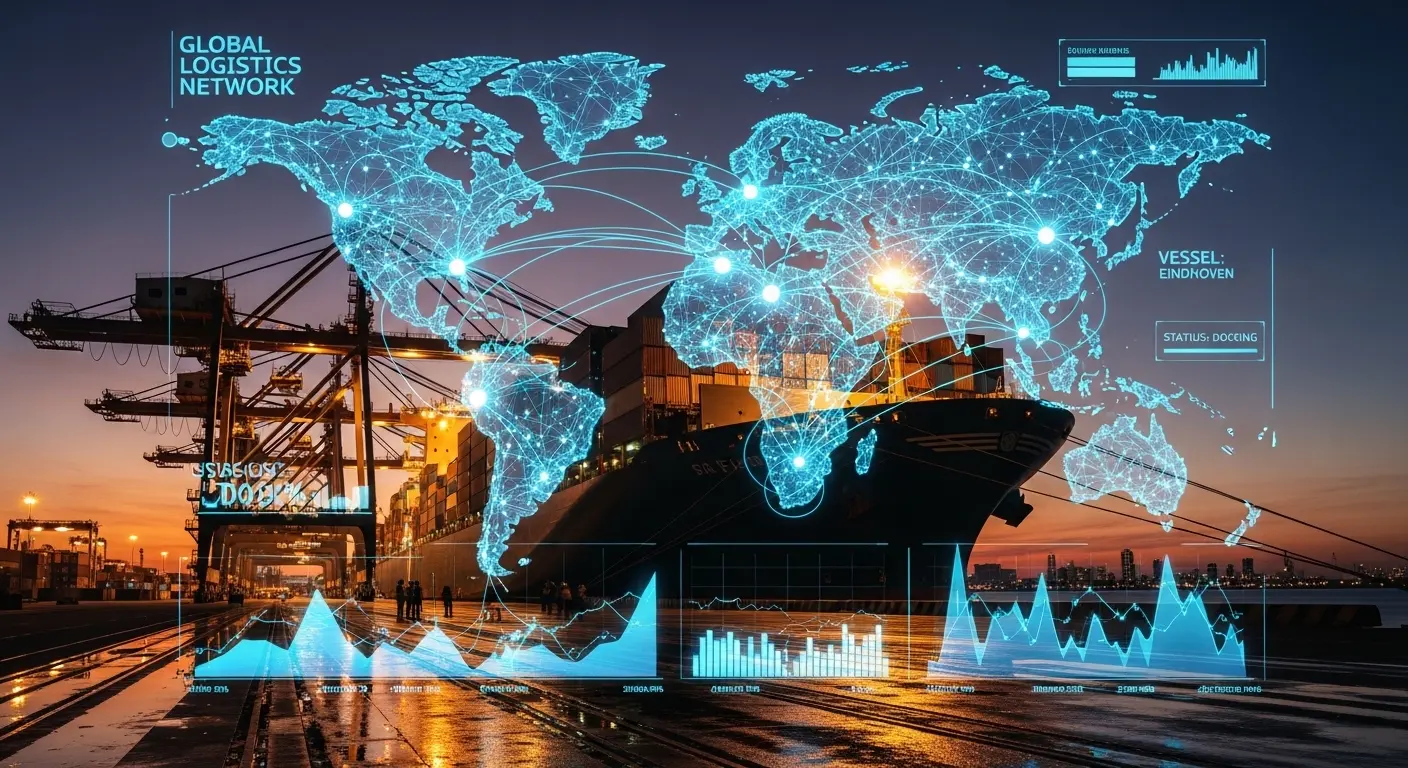
What are end to end cross border logistics services?
End to end cross border logistics services manage the entire lifecycle of a shipment, from initial factory pickup to final customer delivery. This comprehensive approach integrates sourcing, warehousing, international freight, and customs clearance into one seamless workflow. It eliminates the friction of dealing with multiple vendors and ensures total cargo visibility across international boundaries.
In my experience, the “fragmented” model—where you hire one company for trucking, another for ocean freight, and a third for customs—is a recipe for disaster. I once saw a high-stakes shipment for a tech launch sit in a port for 14 days simply because the customs broker hadn’t received the Bill of Lading from the freight forwarder. End to end cross border logistics services prevent these silos. By keeping everything under one roof, you ensure that information flows as fast as the goods themselves. This model is now the gold standard for businesses that cannot afford “dark periods” in their supply chain.
How does the 2026 technology landscape change this service?
Today, “end-to-end” means more than just physical transport. It includes AI-driven predictive analytics that can reroute cargo before a port strike even happens. We now see global cross-border logistics providers using digital twins to simulate the fastest routes. This technology reduces transit times by an average of . It’s no longer just a service; it’s a competitive digital advantage.
Why is the integrated model superior for international trade?
The integrated model is superior because it provides a single point of accountability, reduces overhead costs, and drastically improves delivery speed. By consolidating multiple logistics functions, businesses reduce the “hand-off” errors that typically occur between different service providers. This results in fewer damaged goods, accurate duty payments, and a more reliable customer experience.
- Cost Efficiency: You gain volume discounts by bundling services with one partner.
- Risk Mitigation: One provider manages the compliance for both origin and destination.
- Speed: Automated data sharing between warehousing and freight teams cuts lead times.
- Transparency: A single tracking number follows the goods from the factory floor to the porch.
| Metric | Fragmented Logistics | End-to-End Integrated Logistics |
| Vendor Management | 4 – 6 Points of Contact | 1 Strategic Partner |
| Average Lead Time | 25 – 40 Days | 15 – 22 Days |
| Customs Error Rate | Higher (Due to data silos) | Extremely Low (Integrated data) |
| Total Visibility | Partial / Manual Updates | Real-Time / Digital Dashboard |
What challenges do cross-border logistics in North America present?
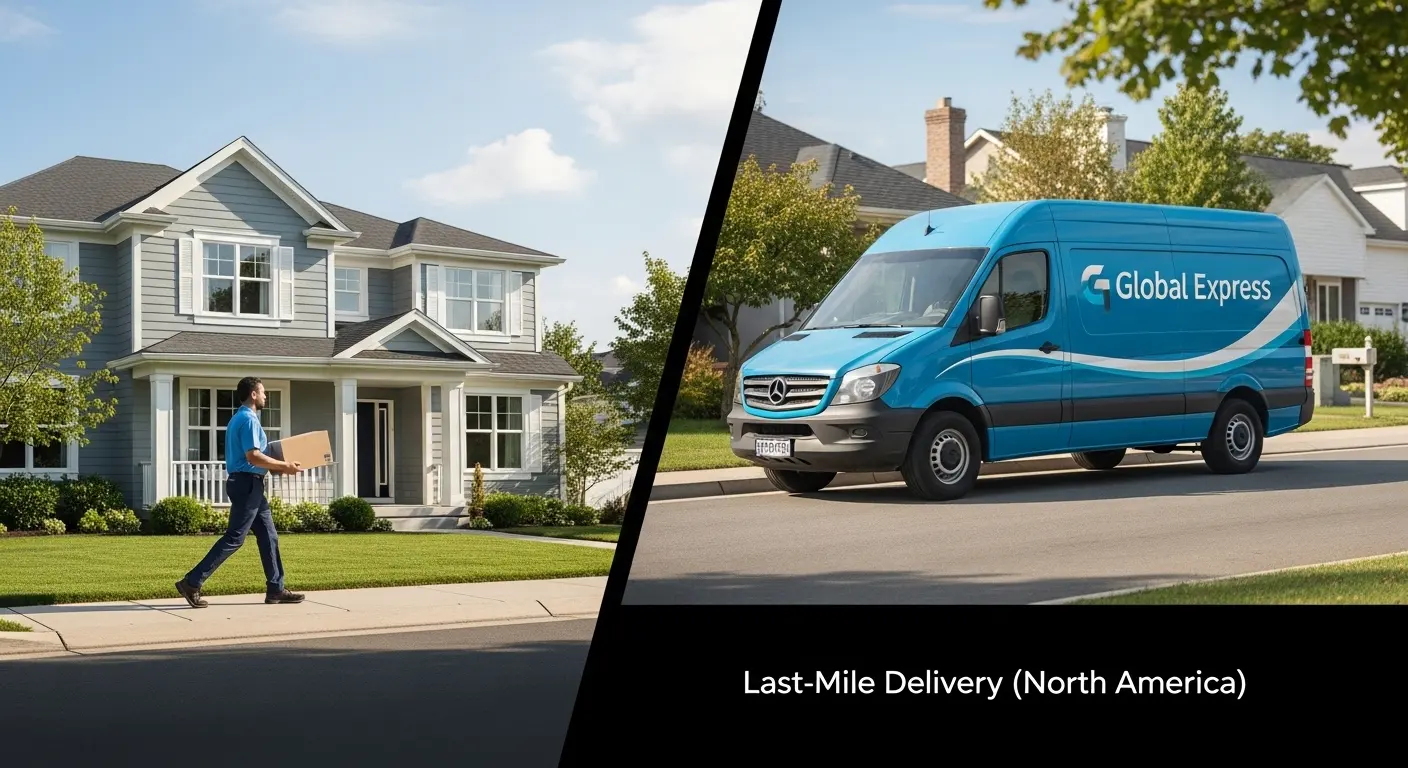
Cross-border logistics in North America present challenges such as fluctuating USMCA regulations, port congestion on the West Coast, and the complexity of “last-mile” delivery in varied climates. Success in this region requires a deep understanding of Section 321 de minimis entries and the ability to pivot between different entry ports to avoid bottlenecks.
I remember a client who insisted on shipping everything through Los Angeles during the 2025 peak season. The backlog was massive. By utilizing a provider with a robust cross-border logistics in North America strategy, we rerouted their cargo through Prince Rupert and utilized intermodal rail. They saved thousands in demurrage fees and beat their competitors to market. In 2026, the key is flexibility. You need a partner who doesn’t just see a map, but sees the real-time congestion data behind it.
How to navigate the “Last Mile” in the USA?
The “Last Mile” is often the most expensive segment of the journey. In the US, leveraging regional fulfillment centers is critical. Instead of shipping one package across five zones, end-to-end providers move bulk inventory closer to the end consumer. This not only reduces costs but also meets the consumer’s expectation for 2-day delivery.
How does cross-border freight forwarding from China fit into this model?
Cross-border freight forwarding from China is the most critical link for businesses sourcing electronics, textiles, or industrial components. A professional forwarder in China handles the complex export licenses and ensures the goods meet the specific standards required for the destination country. This local expertise at the origin prevents shipments from being rejected at the border before they even begin their journey.
When you use cross-border logistics services from China, you are essentially hiring a local advocate. They understand the nuances of Golden Week shutdowns and local port politics. I’ve found that having an “origin-side” expert can save a business from the 10% – 15% hidden costs often associated with improper palletization or incorrect HTS coding at the source.
Tip: Always verify that your Chinese forwarder has a direct contract with the steamship lines. This ensures you get priority loading during the high-demand months of October and November.
How can Africa logistics services diversify your supply chain?
Africa logistics services offer a vital diversification strategy for companies looking to mitigate risks associated with over-reliance on a single manufacturing hub. With the growth of the African Continental Free Trade Area (AfCFTA), moving goods into and out of Africa has become more efficient. Modern logistics hubs in regions like Kenya, Nigeria, and South Africa are now major players in the global supply chain.
The mistake many businesses make is treating Africa as a monolith. Each region has its own infrastructure quirks. However, if you are looking for a “China Plus One” strategy, the Africa logistics services landscape is where you should be looking in 2026. I recently helped a retail brand set up a secondary sourcing line in East Africa. Not only did they reduce their duty exposure, but they also tapped into a faster shipping lane for their European customers.
What are the critical steps in an end-to-end logistics strategy?
The critical steps include strategic sourcing, multi-modal transport planning, automated customs filing, and localized fulfillment. A successful strategy starts with the “end” in mind—knowing exactly where the final customer is and working backward to the factory. This ensures that every pallet is packed and every document is filed with the final destination’s requirements as the primary focus.
- Origin Consolidation: Grouping products from multiple suppliers to reduce freight costs.
- Strategic Route Selection: Choosing between air, sea, or rail based on current market rates and urgency.
- Automated Compliance: Using AI to verify that all HS codes and commercial invoices are 100% accurate.
- In-Transit Visibility: Providing customers and stakeholders with real-time GPS tracking.
- De-consolidation & Last-Mile: Breaking down bulk shipments at a domestic hub for quick local dispatch.
Why is data accuracy the “silent killer” of logistics?
You can have the fastest ship in the world, but if your data is wrong, the cargo won’t move. In 2026, customs authorities are using high-speed AI scanners to match physical cargo with digital manifests. Even a 1% discrepancy in weight can trigger an inspection. An end-to-end provider ensures that the data is clean from step one.
How to choose a partner for end to end cross border logistics services?
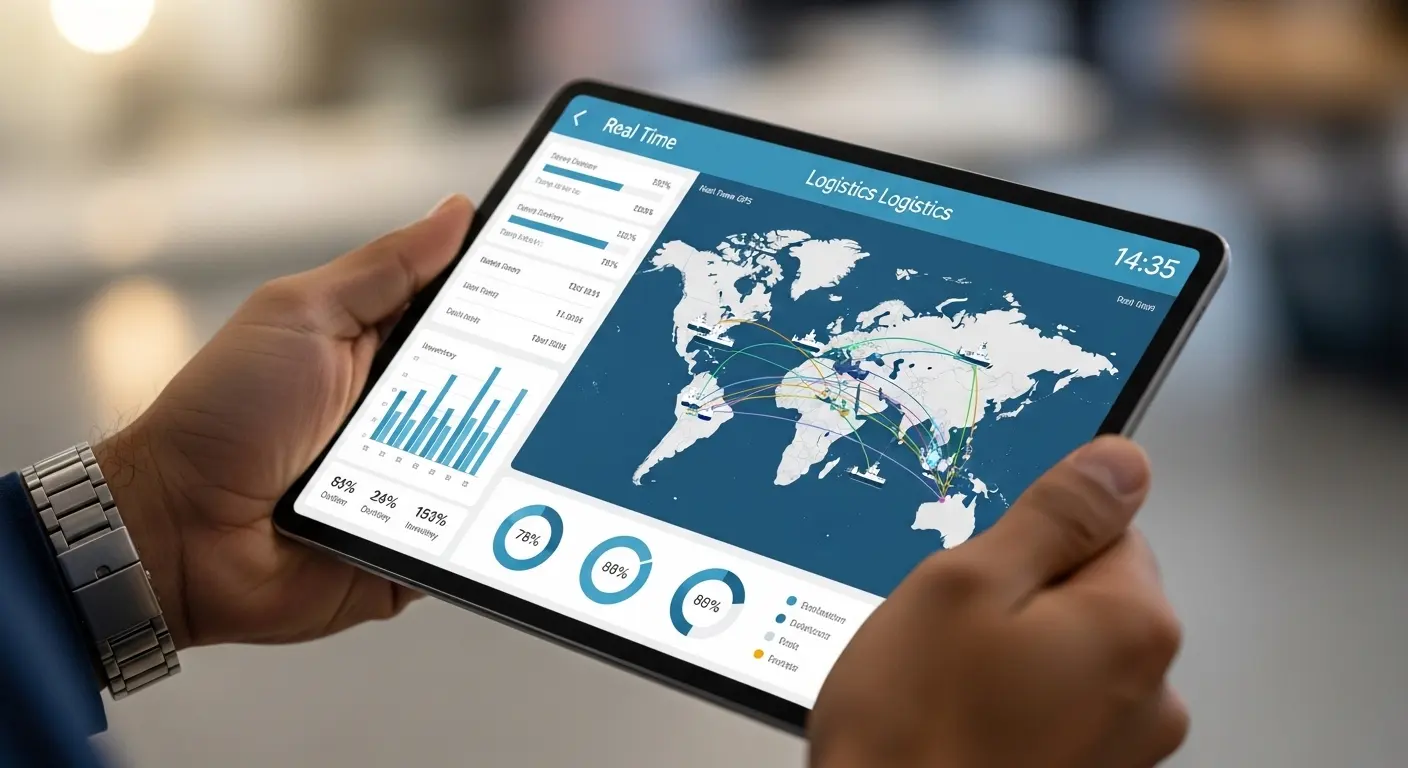
To choose the right partner, you must look for a provider that offers a proprietary technology platform, has physical assets in your key markets, and demonstrates deep regulatory expertise. You need a partner that doesn’t just “book” shipments but actively manages the risk and compliance of your entire supply chain.
Don’t just ask for a quote; ask for a case study. I always recommend asking a potential partner: “How did you handle a major port disruption in the last 12 months?” Their answer will tell you everything you need to know about their resilience. A high-authority partner will talk about their global cross-border logistics network and their ability to pivot routes instantly.
- Transparency: Do they provide a dashboard where you can see every stage of the journey?
- Presence: Do they have their own offices or warehouses in both the origin (e.g., China) and destination (e.g., North America)?
- Scalability: Can they handle a 300% volume increase during the holiday season?
- Compliance Record: What is their average customs clearance time?
Case Study: A mid-sized electronics firm switched to an end-to-end model in early 2025. They reduced their administrative labor by [Data: 25 hours per week] and lowered their total landed cost by 12% by eliminating redundant middle-man fees.
Final Thoughts: The Future is Integrated
End to end cross border logistics services are no longer a luxury for large corporations; they are a necessity for any business that wants to survive in the 2026 global market. By choosing an integrated model, you gain the speed, visibility, and cost-control needed to outperform your competition. The world is getting smaller, but the complexity of the borders is only increasing.
Whether you are optimizing your cross-border freight forwarding from China or expanding your reach through Africa logistics services, remember that your logistics partner is an extension of your brand. Choose a partner that treats your cargo as if it were their own and has the technology to prove it.


