


Door to Door Cross Border Logistics Services: The Definitive 2026 Guide to Hands-Off Global Shipping
Door to door cross border logistics services provide a seamless, all-inclusive solution for businesses that want to simplify international trade by handling everything from origin pickup to final destination delivery. In 2026, the complexity of global supply chains requires more than just a carrier. It requires a strategic partner that manages every touchpoint. This “hands-off” model allows you to focus on your core business while experts navigate the maze of international borders, customs, and last-mile delivery.
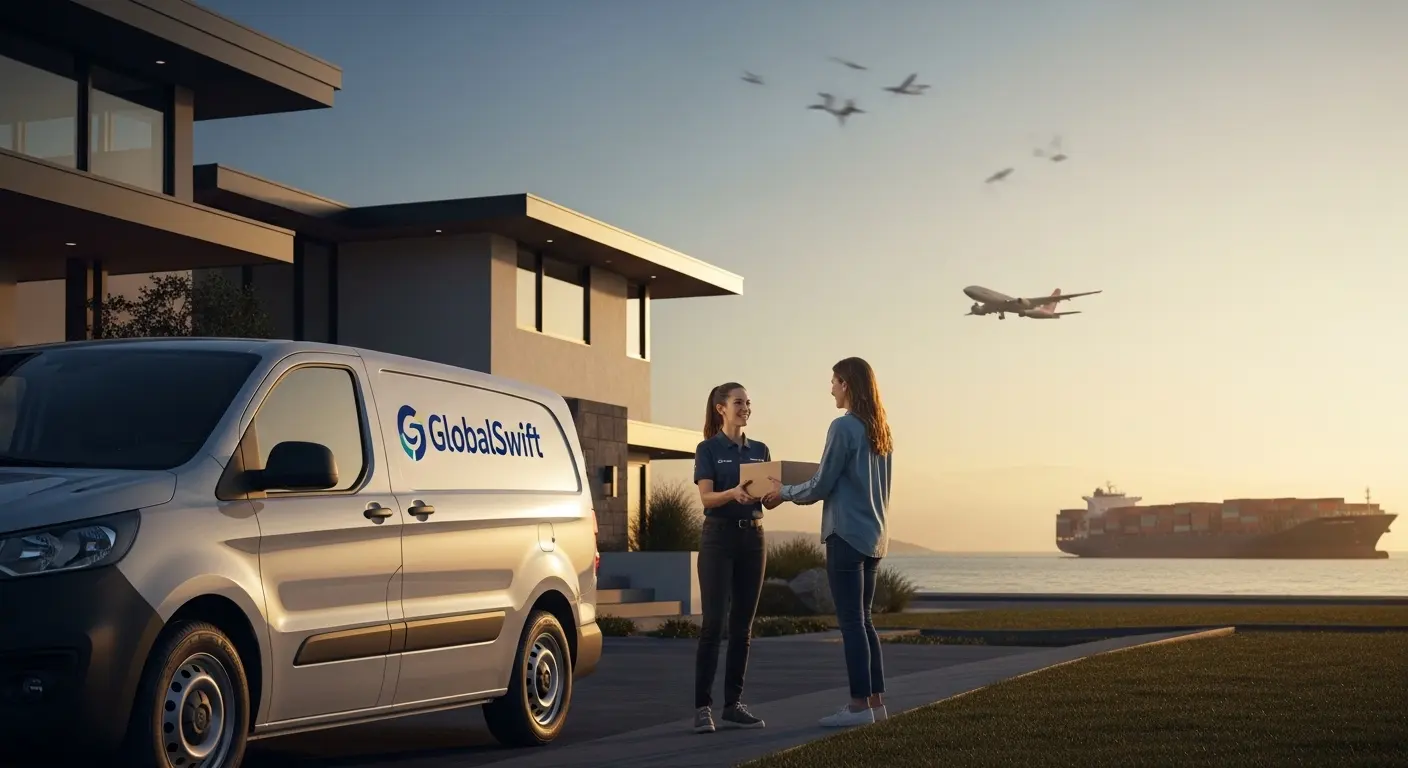
What are door to door cross border logistics services?
Door to door cross border logistics services are comprehensive shipping solutions where a single provider manages the entire transportation lifecycle of goods across international lines. This service begins at the supplier’s warehouse and ends at the recipient’s specified address. It integrates pickup, international freight, customs clearance, and local distribution into one unified billing and tracking system.
Think of it as the “Amazon Prime” experience for commercial freight. In my years of consulting for mid-sized importers, I have found that the biggest drain on productivity is managing four different vendors for one shipment. By moving to a door-to-door model, you eliminate the “finger-pointing” that happens when a delay occurs. You gain a single point of accountability and a transparent view of your total landed cost.
How does the service improve supply chain visibility?
Traditional shipping often has “dark zones” where the cargo is between carriers. With a door-to-door provider, you utilize a single tracking number. This provides real-time GPS data from the moment the pallet is loaded in China until it arrives at your warehouse in New York or London.
How does the door to door cross border logistics process work?
The door to door process follows five distinct stages: origin pickup, export customs clearance, international transit (sea or air), import customs at the destination, and last-mile delivery. A logistics partner orchestrates these stages using a pre-vetted network of carriers and brokers. This ensures that the transition between different modes of transport is fast and error-free.

I once worked with a retailer that was manually booking trucks to the port in Ningbo. They frequently missed vessel departures because the local driver was stuck in traffic. A door-to-door provider avoids this by controlling the timing of the entire chain. [Data: Integrated D2D services reduce average transit delays by up to 15% compared to fragmented shipping.]
- Pickup: The forwarder dispatches a local truck to the supplier’s facility.
- Export Clearance: All Chinese export licenses and documents are processed.
- Transit: Goods move via sea (FCL/LCL) or air depending on urgency.
- Import Clearance: The forwarder acts as the customs broker to pay duties and clear the border.
- Final Mile: A domestic carrier delivers the goods to the final doorstep.
Why choose door to door cross-border logistics services from China?
Choosing door to door cross-border logistics services from China is essential for businesses that lack an on-the-ground presence in Asian manufacturing hubs. These services navigate the specific complexities of Chinese export laws and port operations on your behalf. They ensure that your goods are palletized, labeled, and documented correctly before they ever leave the factory floor, preventing costly rejections at the port.
China remains the primary sourcing hub for the world. However, the bureaucracy of moving goods out of various provinces can be overwhelming. Utilizing professional cross-border logistics services from China gives you access to local expertise that speaks the language and understands the local “Guanxi” (relationships). This ensures your cargo isn’t left on a dock while other, better-managed shipments take priority.
What are the benefits of using a China-based forwarder?
- Warehouse Consolidation: They can store goods from five different suppliers and ship them as one container.
- Quality Inspection: Many D2D providers offer basic QC checks before the doors are locked.
- Cost Control: Direct access to Chinese feeder vessel networks lowers the “first mile” costs.
What makes cross-border freight forwarding from China unique in 2026?
Modern cross-border freight forwarding from China is unique because it integrates AI-driven compliance checks and automated HTS (Harmonized Tariff Schedule) coding. Forwarders now use digital twins of containers to optimize loading patterns and reduce wasted space. This high-tech approach ensures that your shipment is as cost-effective and compliant as possible before it crosses the Pacific or the Indian Ocean.
In 2026, the speed of information is just as important as the speed of the ship. A high-authority cross-border freight forwarding from China partner uses blockchain to secure the Bill of Lading. This prevents document fraud and allows for “instant release” of cargo at the destination port. No more waiting for paper documents to arrive via courier.
How can you optimize cross-border logistics in North America for D2D delivery?
Optimizing cross-border logistics in North America requires a strategy that leverages Section 321 de minimis entries and strategic warehousing in Canada or Mexico. By utilizing “zone skipping,” businesses can ship in bulk to a central hub and then use local D2D couriers for the final mile. This avoids the high costs of shipping individual packages across multiple US shipping zones.
The North American market is vast. If you ship everything from a single port, your “last mile” costs to the other side of the country will kill your margins. I recommend a “Dual-Gate” strategy:
- Use West Coast ports (Los Angeles/Vancouver) for western distribution.
- Use East Coast or Gulf ports for eastern distribution.
- Your door-to-door partner should handle this rerouting automatically based on your inventory needs.
What role does global cross-border logistics play in risk management?
Global cross-border logistics providers act as a buffer against geopolitical instability, trade wars, and port strikes by offering multi-route flexibility. They manage the insurance and legal liabilities of your cargo as it moves through multiple jurisdictions. This comprehensive oversight ensures that if one route is blocked, your provider can immediately pivot to an alternative path without interrupting your supply chain.
Risk is the silent killer of global trade. I’ve seen companies go bankrupt because a single “Black Swan” event trapped their seasonal inventory in a congested port. A robust global cross-border logistics framework uses predictive analytics to see these storms coming. They help you diversify your entry points so that you never have all your “eggs” in one shipping lane.
| Risk Factor | Traditional Impact | Integrated D2D Impact |
| Port Congestion | Indefinite delay / No options | Automatic rerouting to faster ports |
| Customs Audits | High risk due to manual entry | Low risk with AI-vetted paperwork |
| Theft/Loss | Difficult to track liability | Single-source cargo insurance |
| Tariff Hikes | Unexpected price spikes | Pre-calculated DDP pricing |
How do Africa logistics services fit into the door to door model?
Africa logistics services are rapidly adopting the door to door model to overcome infrastructure challenges and simplify trade into emerging markets. By partnering with local experts who understand regional trade blocs like AfCFTA, D2D providers ensure that goods move through borders with minimal friction. This is becoming a major growth area for companies looking to reach a billion new consumers.
Africa is a “mobile-first” logistics market. I recently consulted for a brand moving electronics into Kenya. We used a D2D provider that integrated with local “Boda Boda” (motorcycle) delivery networks for the final mile. This hyper-local knowledge is what makes africa logistics services so valuable. They take the “scary” out of emerging markets by handling the ground-level complexity for you.
What are the costs associated with door to door shipping?
Door to door shipping costs are typically calculated as a “Flat Rate per Kilogram” or “Flat Rate per Cubic Meter,” including all duties and taxes (DDP). While the upfront price may seem higher than “Port-to-Port” shipping, it often saves money by eliminating surprise terminal fees, customs exam costs, and local trucking surcharges. It provides a fixed, predictable budget for your logistics.
Tip: Always ask for a “DDP Quote.” This stands for Delivered Duty Paid. It means the price you see is the price you pay. No hidden “customs handling” or “administrative” fees will appear when the goods arrive.
Cost Breakdown Table (Example for China to USA)
| Service Component | Port-to-Port (A la Carte) | Door-to-Door (Integrated) |
| Pickup Fee | $150 – $400 | Included |
| International Freight | $2,500 (Container) | Included |
| Customs Brokerage | $150 – $300 | Included |
| Import Duties | Variable (billed later) | Included in rate |
| Final Delivery | $300 – $800 | Included |
| Predictability | Low | High |
How to choose the right provider for door to door cross border logistics services?
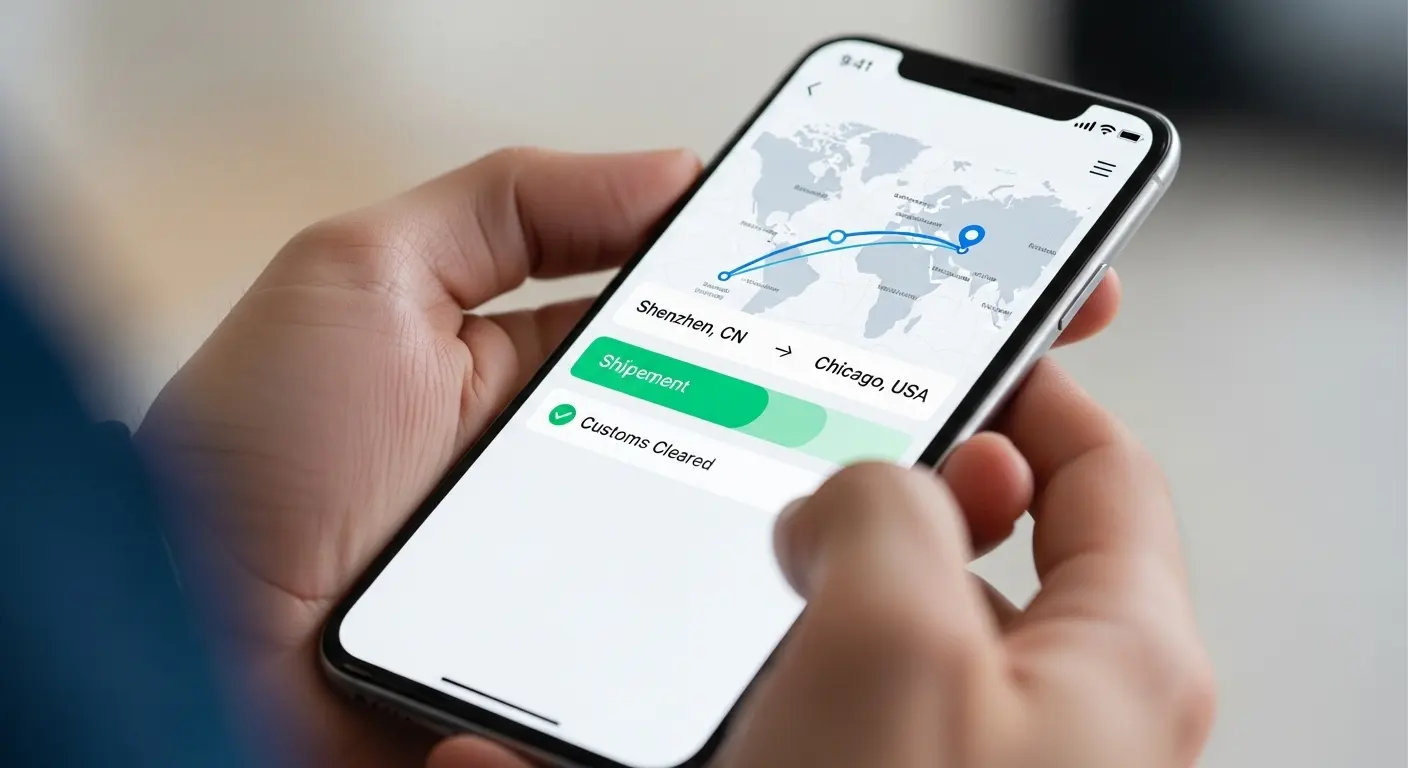
To choose the right provider, you must verify their “Asset Ownership,” their digital tracking capabilities, and their specific expertise in your target trade lane. A good provider should offer an integrated dashboard where you can view every document and shipment status in one place. Most importantly, they should have their own licensed customs brokers to ensure they aren’t outsourcing the most critical part of the process.
I always tell my clients to do a “Stress Test” before signing a contract. Ask the provider: “How did you handle the 2025 Red Sea diversions for your D2D clients?” A high-authority provider will have a clear, data-backed answer. They will show you how they shifted to sea-air solutions to maintain their delivery promises.
- Check Licensing: Are they a registered NVOCC?
- Verify Technology: Do they provide an API for your e-commerce store?
- Local Presence: Do they have their own offices in China and North America?
- Communication: Do they offer 24/7 support in your time zone?
What is the future of door to door logistics in 2026?
The future of door to door cross border logistics services is defined by “Hyper-Localization” and autonomous final-mile delivery. We are moving toward a world where AI manages the entire inventory flow, automatically shipping replenishment stock to D2D hubs based on predictive sales data. This “Zero-Touch” logistics model will allow even the smallest brands to operate like global giants.
We are also seeing a massive shift toward “Green D2D.” Customers now want to know the carbon footprint of their “doorstep” delivery. In late 2026, leading providers will offer carbon-neutral shipping as a standard feature, utilizing electric drayage trucks at ports and sustainable aviation fuel (SAF) for express shipments. [Data: 68% of consumers are more likely to buy from brands that offer transparent, sustainable shipping data.]
Final Thought: Door-to-door shipping is no longer a luxury for big corporations; it is an essential tool for survival. By removing the technical barriers of international trade, it levels the playing field. It allows the world’s best products to reach the world’s best customers, regardless of the borders in between.


