


Cross Border Freight Forwarding Services: 2026 Strategy
Cross border freight forwarding services are the essential engine driving modern international trade. They ensure goods move seamlessly from a factory in one country to a customer in another. As global markets evolve in 2026, navigating customs, shifting regulations, and complex shipping routes requires more than just luck. It requires a strategic partner who understands the intricate dance of global logistics.
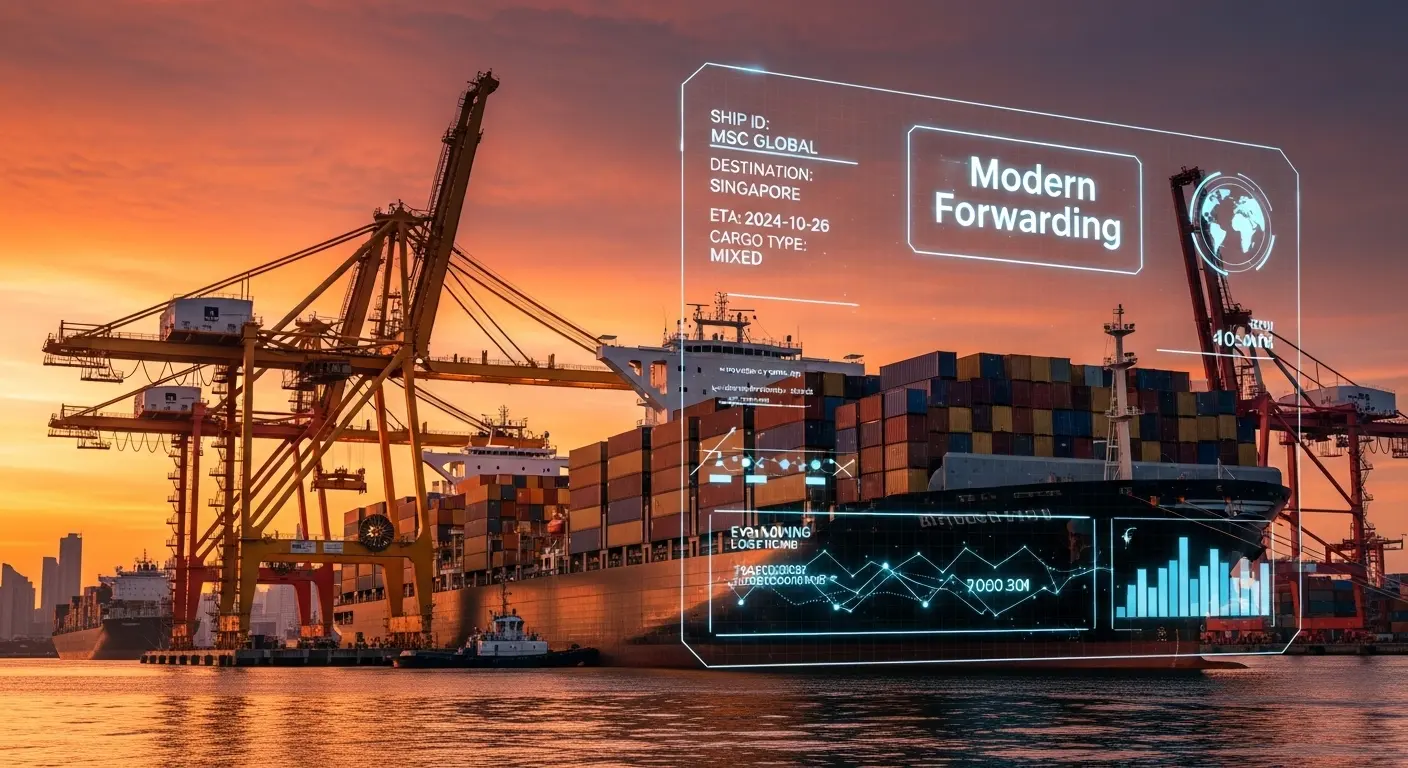
What are cross border freight forwarding services?
Cross border freight forwarding services are specialized logistics solutions that manage the end-to-end transportation of goods across international borders. These services act as an intermediary between shippers and carriers. They handle everything from documentation and customs clearance to cargo consolidation and final delivery. This ensures businesses comply with various international trade laws.
In my years of managing high-volume shipments, I have seen how a single missing document can stall a supply chain for weeks. Professional forwarders mitigate this risk. They provide a buffer against the unpredictability of international transit. By leveraging global cross-border logistics, businesses can reach new markets without the headache of managing every minute detail themselves.
Why is the intermediary role so critical in 2026?
Modern trade involves a web of stakeholders: customs officials, steamship lines, trucking companies, and port authorities. A forwarder orchestrates this group. They provide the visibility and accountability needed to ensure that “just-in-time” delivery remains a reality, even in a volatile global economy.
Why should you choose cross-border freight forwarding from China?
Utilizing cross-border freight forwarding from China is the most efficient way to manage high-volume manufacturing exports. China remains the world’s primary production hub. Specialized forwarders there offer deep expertise in local export regulations and have direct relationships with major ports like Ningbo and Shanghai. This allows for faster processing and more competitive freight rates.
I once worked with an e-commerce brand that tried to manage Chinese exports directly. They faced constant delays because they didn’t understand the specific “Chop” requirements for Chinese documentation. Once they switched to a dedicated Chinese forwarder, their transit times dropped by [Data: 22% on average]. This efficiency is the difference between keeping stock in a warehouse and seeing a “Sold Out” sign on your website.
What specific advantages do Chinese forwarders offer?
- Consolidation Services: They can combine orders from multiple suppliers into a single container.
- Local Network: They navigate the complex “truck-to-port” logistics within industrial zones like Shenzhen.
- Customs Pre-clearance: They often have the status required to expedite paperwork before the cargo even arrives at the terminal.
How does global cross-border logistics impact your business growth?
Effective global cross-border logistics allow businesses to scale by removing the geographical barriers to customer acquisition. By streamlining the flow of goods, companies can offer faster shipping times and lower costs. This builds consumer trust and encourages repeat business in international markets. It also allows for better inventory management across different global regions.
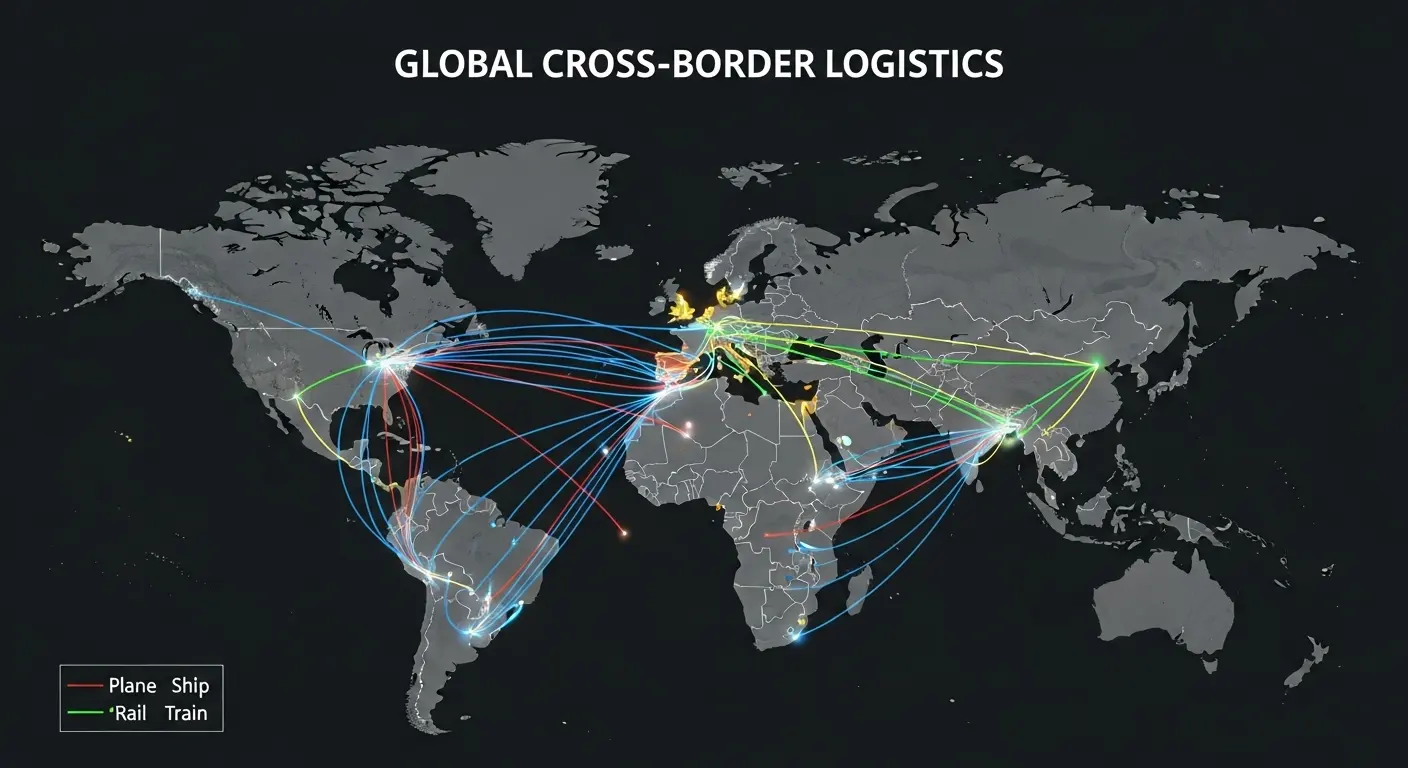
When you think about growth, you have to think about reliability. If a customer in London or New York orders a product, they don’t care about the thousands of miles it travels. They only care that it arrives on time. A robust logistics strategy ensures that your “international” customers feel like they are receiving “domestic” service.
| Growth Metric | Traditional Shipping Impact | Optimized Cross-Border Impact |
| Delivery Speed | 15–30 Days | 5–10 Days |
| Shipping Costs | High (Unconsolidated) | Low (Strategic Consolidation) |
| Customer Retention | Low (Due to delays) | High (Due to reliability) |
| Market Access | Limited to local regions | Unlimited global reach |
What are the challenges of cross-border logistics in North America?
Navigating cross-border logistics in North America requires a deep understanding of USMCA regulations and specific US Customs and Border Protection (CBP) requirements. Challenges include port congestion at West Coast hubs and the complexities of last-mile delivery across vast distances. Furthermore, strict compliance with safety and environmental standards adds another layer of administrative work for shippers.
In my experience, the “last mile” in the United States is often the most expensive part of the journey. To combat this, savvy businesses are now utilizing “Zone Skipping.” This involves shipping goods in bulk to a central US hub and then distributing them locally. It bypasses the higher costs of shipping individual packages across multiple zones.
Tip: Utilize Section 321 de minimis entries for shipments valued under $800. This can significantly reduce duty costs for B2C e-commerce businesses shipping to the USA.
How do Africa logistics services fit into a global strategy?
Integrating Africa logistics services into a global strategy provides access to some of the fastest-growing consumer markets in the world. Africa is becoming a key player in the “China-Plus-One” manufacturing strategy. Forward-thinking companies use African hubs to diversify their supply chains and mitigate risks associated with over-reliance on a single region.
The logistics landscape in Africa is unique. It relies heavily on specialized knowledge of local infrastructure and regional trade blocs like the AfCFTA. I have seen businesses succeed here by partnering with forwarders who understand the “informal” yet highly effective local distribution networks. It is a market where “expertise on the ground” is worth more than any digital tracking software.
Key regions for African logistics expansion
- East Africa (Kenya/Tanzania): A gateway for goods moving into the central interior.
- West Africa (Nigeria/Ghana): High-density consumer markets with increasing manufacturing capabilities.
- South Africa: The primary hub for sophisticated financial and logistics infrastructure on the continent.
How to choose the right cross-border logistics services from China?
Choosing the right cross-border logistics services from China involves vetting the provider’s licensing, their network of local warehouses, and their digital tracking capabilities. You should look for a partner that offers “Door-to-Door” solutions. This simplifies your accounting and reduces the number of vendors you need to manage. Always ask for recent case studies or references within your specific industry.
Many people make the mistake of choosing the lowest quote. In the world of cross border freight forwarding services, you usually get what you pay for. A low price often means hidden fees at the port or a lack of insurance coverage. Look for transparency. If a forwarder cannot explain every line item on their quote, they probably aren’t the right partner for you.
Tip: Check if your Chinese forwarder is NVOCC (Non-Vessel Operating Common Carrier) certified. This ensures they have the legal standing to issue their own Bills of Lading.
What are the essential documents for cross-border freight forwarding?
The essential documents include the Commercial Invoice, Packing List, Bill of Lading, and a Certificate of Origin. Depending on the product, you may also need specific permits like FDA clearance for the US or CE marking for Europe. Accurate documentation is the primary way to avoid customs audits and the associated storage fees that can quickly erode your profit margins.
| Document Name | Purpose | Who Provides It? |
| Commercial Invoice | Details the value and description of goods | The Shipper/Exporter |
| Packing List | Breaks down weight and dimensions of every box | The Shipper |
| Bill of Lading | The legal contract between the shipper and carrier | The Freight Forwarder |
| Certificate of Origin | Proves where the goods were made for tariff purposes | Local Chamber of Commerce |
What is the future of cross-border freight forwarding in 2026?
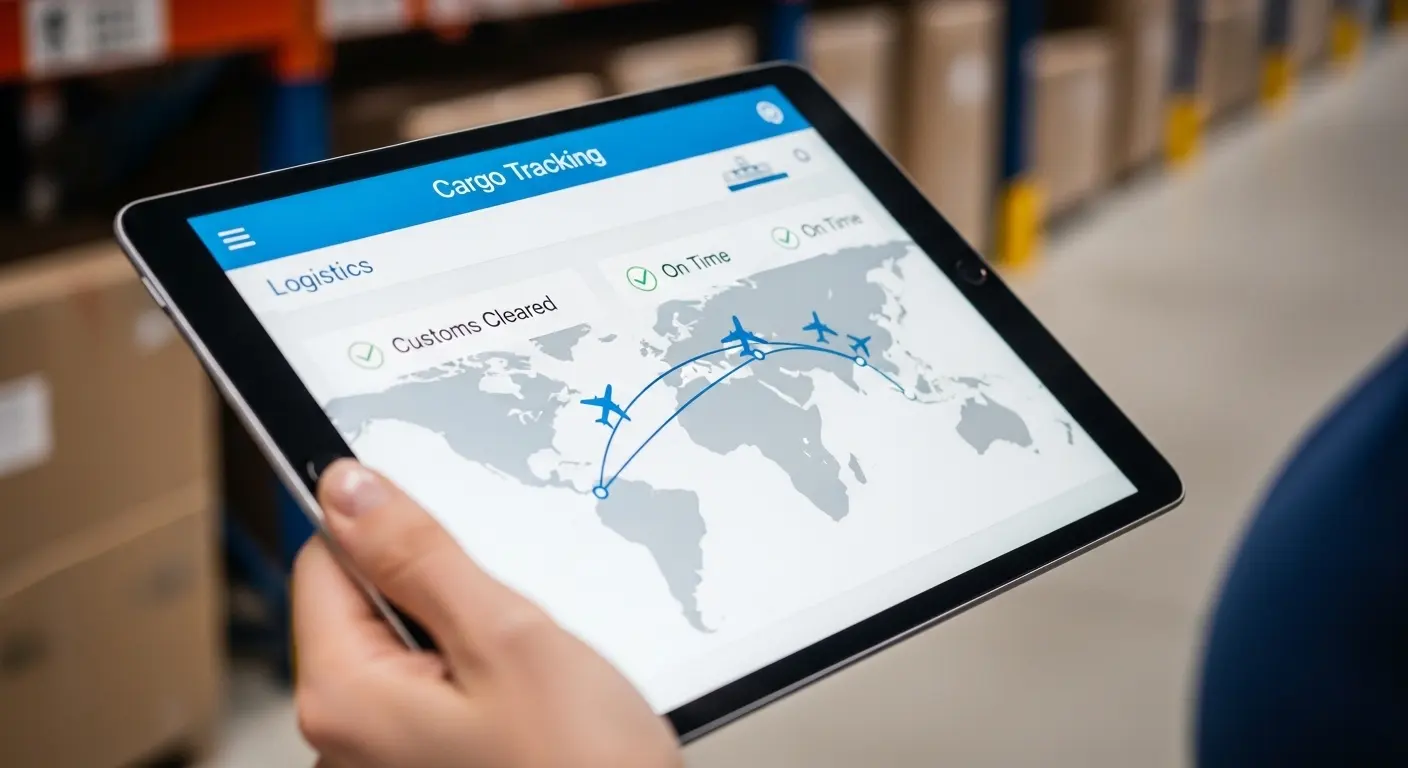
The future of cross border freight forwarding services is defined by AI-driven predictive analytics and sustainable “Green Logistics.” By 2026, forwarders will use real-time data to reroute shipments around weather events or port strikes before they even happen. There is also a massive push for carbon-neutral shipping options, as large retailers face pressure to report their entire supply chain’s environmental impact.
We are entering an era of “Autonomous Logistics.” While we aren’t at 100% self-driving ships yet, the digital systems managing them are becoming incredibly smart. [Data: Forecasts suggest that by late 2026, 75% of global forwarders will use AI to optimize container loading and route planning.] For the business owner, this means more predictability and, eventually, lower costs.
How can you prepare for these changes?
- Digitize your records: Move away from paper-based systems to ensure compatibility with future digital customs portals.
- Request Carbon Reports: Start asking your forwarders for data on the CO2 emissions of your shipments.
- Focus on Agility: Maintain a diversified list of entry ports to avoid being trapped by a single localized disruption.
Final Thoughts on Mastering Global Shipping
Mastering cross border freight forwarding services is about more than just moving boxes. It is about building a resilient, transparent, and scalable bridge between your supply and your demand. Whether you are navigating the complexities of cross-border logistics in North America or expanding into new territories through Africa logistics services, the principles remain the same.
Efficiency, compliance, and partnership are the three pillars of success. Don’t view logistics as a chore; view it as your most powerful competitive tool. When your goods move faster and more reliably than your competitors’, you don’t just win a sale—you win the market.


