


Cross Border Logistics Solutions: The Definitive 2026 Guide to Global Trade Efficiency
Cross border logistics solutions serve as the vital backbone of the modern global economy, enabling the seamless movement of goods across international frontiers. In 2026, navigating these complexities requires more than just a carrier; it demands an integrated strategy that combines technology, regulatory expertise, and local infrastructure. Whether you are expanding into North American markets or sourcing from Asian manufacturing hubs, understanding the nuances of international shipping is the difference between a thriving supply chain and a costly bottleneck.

What are cross border logistics solutions and why are they essential?
Cross border logistics solutions are comprehensive services that manage the transportation, documentation, and customs clearance of goods moving between different countries. These solutions are essential because they mitigate the risks of international trade, such as shifting tariffs, complex border regulations, and multi-modal transit delays. They ensure that your products move from factory to final destination efficiently.
Without a robust logistics framework, businesses often face unexpected costs and “dark periods” where cargo visibility is lost. In my years of managing high-volume trade lanes, I have seen even the most experienced brands struggle when they treat international shipping as a simple “A-to-B” transaction. Effective global cross-border logistics involve a deep orchestration of air, sea, and land assets tailored to specific regional requirements.
How do modern logistics solutions differ from traditional shipping?
Modern solutions leverage real-time data and AI-driven predictive modeling to anticipate delays before they occur. Unlike traditional shipping, which often relies on manual paperwork and siloed communication, 2026-era logistics integrate all stakeholders into a single digital ecosystem. This provides end-to-end transparency, automated compliance checks, and more accurate “Estimated Time of Arrival” (ETA) data for the end customer.
How can businesses optimize cross-border logistics in North America?
To optimize cross-border logistics in North America, businesses must leverage “Section 321” de minimis entries for US imports and utilize bonded warehousing. Strategically placing inventory near major hubs like Los Angeles or New Jersey reduces last-mile delivery times. Furthermore, integrating with local couriers ensures that the final delivery mirrors the speed of domestic e-commerce.
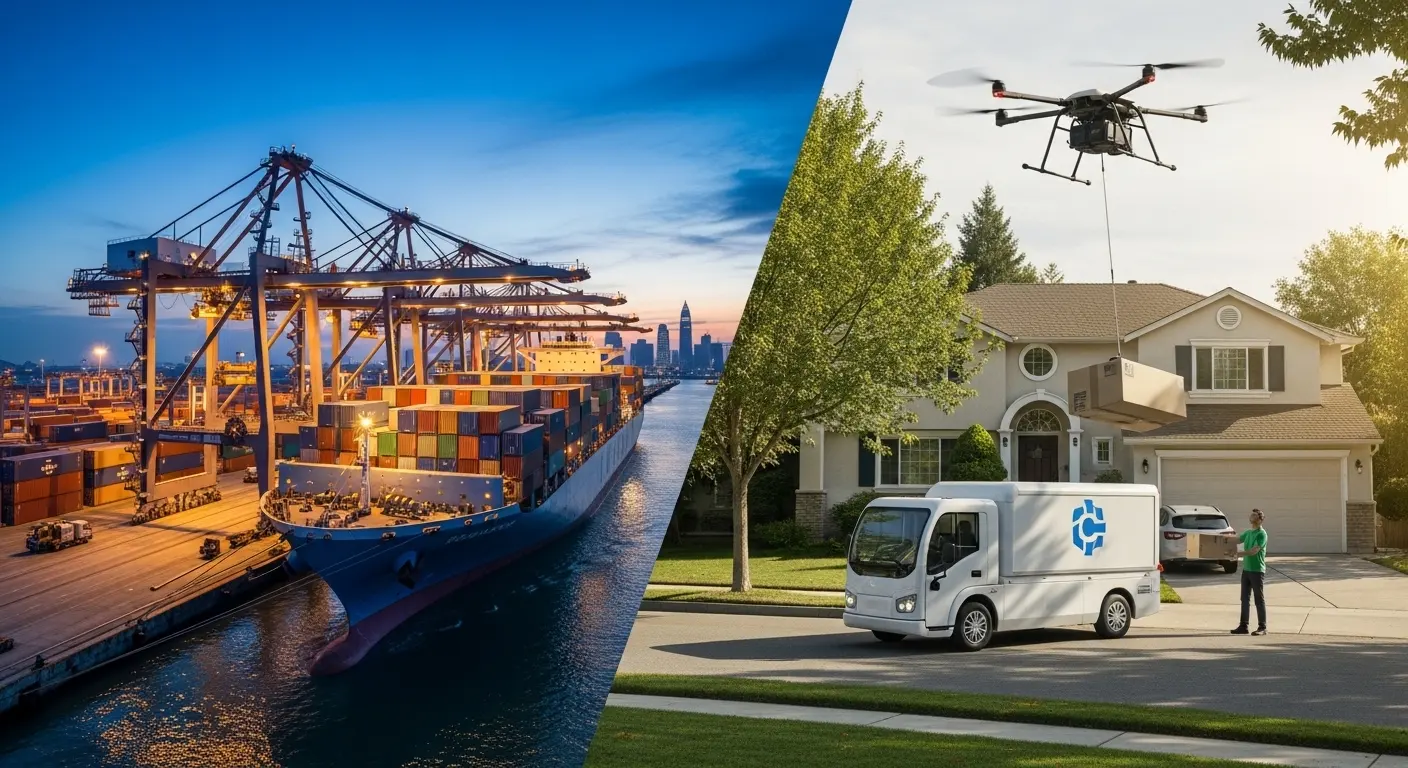
The North American market is unique due to its massive geographic spread and high consumer expectations for “Amazon-prime” speed. I once consulted for a brand that reduced their transit times by 40% simply by rerouting their entry point from the East Coast to the West Coast and utilizing transloading services.
| Optimization Strategy | Key Benefit | Typical Cost Impact |
| Section 321 Entry | Tax/Duty-free for orders <$800 | Significant savings on duties |
| Bonded Warehousing | Defer duty payments | Improved cash flow |
| Intermodal Transport | Lower carbon footprint | 20-30% lower than pure trucking |
| Local 3PL Integration | Faster last-mile delivery | Increased customer satisfaction |
What are the most effective cross-border logistics services from China?
The most effective cross-border logistics services from China include air-to-door express, FCL/LCL ocean freight, and the “China-Europe” railway. For high-velocity e-commerce, air-to-door remains the gold standard. However, for bulk inventory, a “Matson Clipper” sea service provides a perfect balance between the low cost of ocean freight and the speed of air transport.
When sourcing from China, the “middle mile” is where most efficiency is gained or lost.
This is why working with a provider that has a physical presence in major ports like Shenzhen, Ningbo, and Shanghai is non-negotiable for 2026 trade operations.
How does cross-border freight forwarding from China simplify the supply chain?
Cross-border freight forwarding from China simplifies the supply chain by acting as a single point of contact for consolidation, warehousing, and international transit. Forwarders manage the “language and culture gap” between factories and international carriers. They handle the complex legalities of Export Licenses and commercial invoices, ensuring that shipments are “Customs-ready” before they even leave the warehouse.
Pro Tip: Always ask your forwarder if they offer “Buyer’s Consolidation.” This allows you to purchase from multiple Chinese suppliers and combine them into one container, significantly reducing your per-unit shipping cost and US port fees.
Why are Africa logistics services becoming a strategic priority?
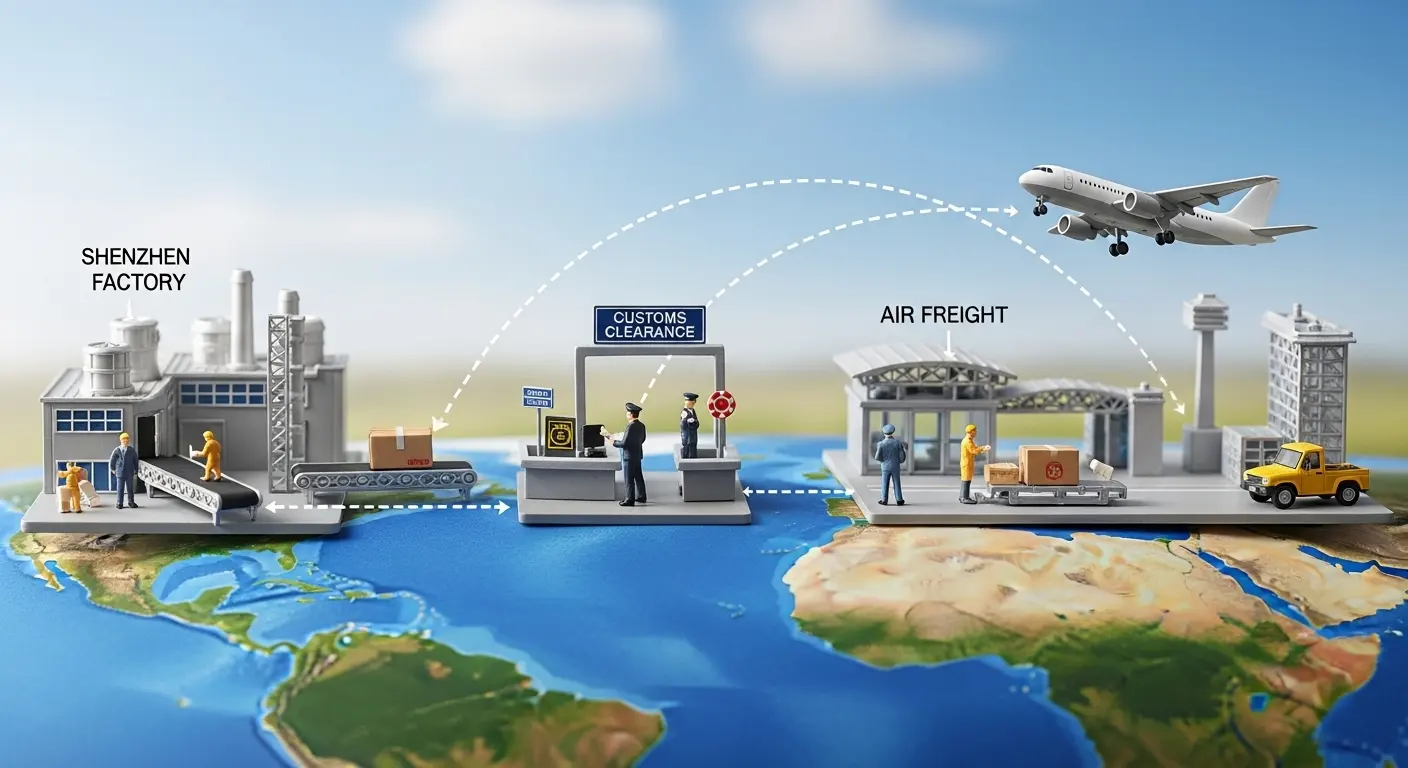
Africa logistics services are becoming a priority as the continent emerges as a massive consumer market and a manufacturing alternative to Asia. With the implementation of the AfCFTA (African Continental Free Trade Area), moving goods across African borders is becoming more streamlined. Businesses are now looking to Africa to diversify their supply chains and reach a billion new customers.
I recently visited a logistics hub in Nairobi and was struck by the rapid digitization of their customs processes. While challenges like “last-mile” infrastructure remain, the growth of mobile-based logistics platforms in Africa is outpacing many Western markets. Investing in this region now is a long-term play for any brand with global ambitions.
What are the primary challenges of cross-border logistics in 2026?
The primary challenges of cross-border logistics in 2026 include volatile geopolitical tariffs, environmental regulations (like carbon taxes), and labor shortages at major ports. Additionally, the increasing sophistication of cyber-attacks on supply chain software requires businesses to invest in robust digital security. Navigating these hurdles requires a logistics partner who is proactive rather than reactive.
- Tariff Volatility: Sudden changes in trade agreements can shift costs overnight.
- Sustainability Compliance: New “Green Shipping” mandates require accurate carbon reporting.
- Data Privacy: Handling customer data across borders must comply with various international laws (GDPR, CCPA, etc.).
- Infrastructure Bottlenecks: Port congestion remains a threat during peak seasons.
How to choose the right cross border logistics solutions provider?
To choose the right provider, you must evaluate their technology stack, their local network in your target markets, and their track record with customs compliance. Look for a partner that offers a unified dashboard for real-time tracking and automated reporting. A “cheap” quote often hides poor communication and hidden fees that manifest during the customs clearance process.
- Check Certifications: Ensure they are NVOCC certified and have a valid customs broker license.
- Evaluate Tech: Do they provide an API for your e-commerce platform?
- Local Expertise: Do they have their own warehouses in the destination country?
- Scalability: Can they handle a 500% increase in volume during the Q4 peak season?
What is the future of international trade logistics?
The future of international trade logistics lies in “Autonomous Supply Chains” where AI manages inventory levels and automatically books freight based on market rates. We are seeing a shift toward “hyper-localization,” where cross-border movements are supported by regional micro-fulfillment centers. This reduces the carbon footprint and brings the product closer to the end-user.
By 2030, [Data: Global Logistics Forecasts predict that 40% of trans-pacific shipping will utilize some form of carbon-neutral fuel.] This transition will change how we calculate shipping costs and choose our logistics partners. Staying ahead means adopting these green technologies and digital tools today.
Tip: Don’t just look for a vendor; look for a strategic partner who understands your specific industry vertical, whether it’s fast fashion, electronics, or industrial machinery.
Final Thoughts on Global Trade Optimization
In a world where speed is a currency, cross border logistics solutions are your most valuable asset. By leveraging specialized routes from China to North America and exploring emerging markets in Africa, you build a resilient, future-proof business. The key is to stop viewing logistics as a cost center and start viewing it as a driver of customer loyalty and market expansion.
Share:


