


How to Get an Accurate Cross Border Logistics Quote
Ever felt that sinking feeling when a shipping invoice arrives and it’s 40% higher than the original estimate? It’s a common nightmare for e-commerce sellers and manufacturers alike. You see a low number on a screen, hit “book,” and then get hit with “congestion surcharges,” “handling fees,” or “customs adjustments” that eat your entire profit margin.
Getting an accurate cross border logistics quote shouldn’t feel like a game of Russian Roulette. If you’re moving goods from China to the US, Europe, or Africa, you need a quote that sticks. It’s not just about finding the cheapest rate; it’s about finding the most transparent one. In this guide, I’ll break down exactly what goes into those numbers, why specialized cargo like batteries changes the math, and how you can spot a “fake low” quote before it ruins your quarter.
What’s actually inside your cross border logistics quote?
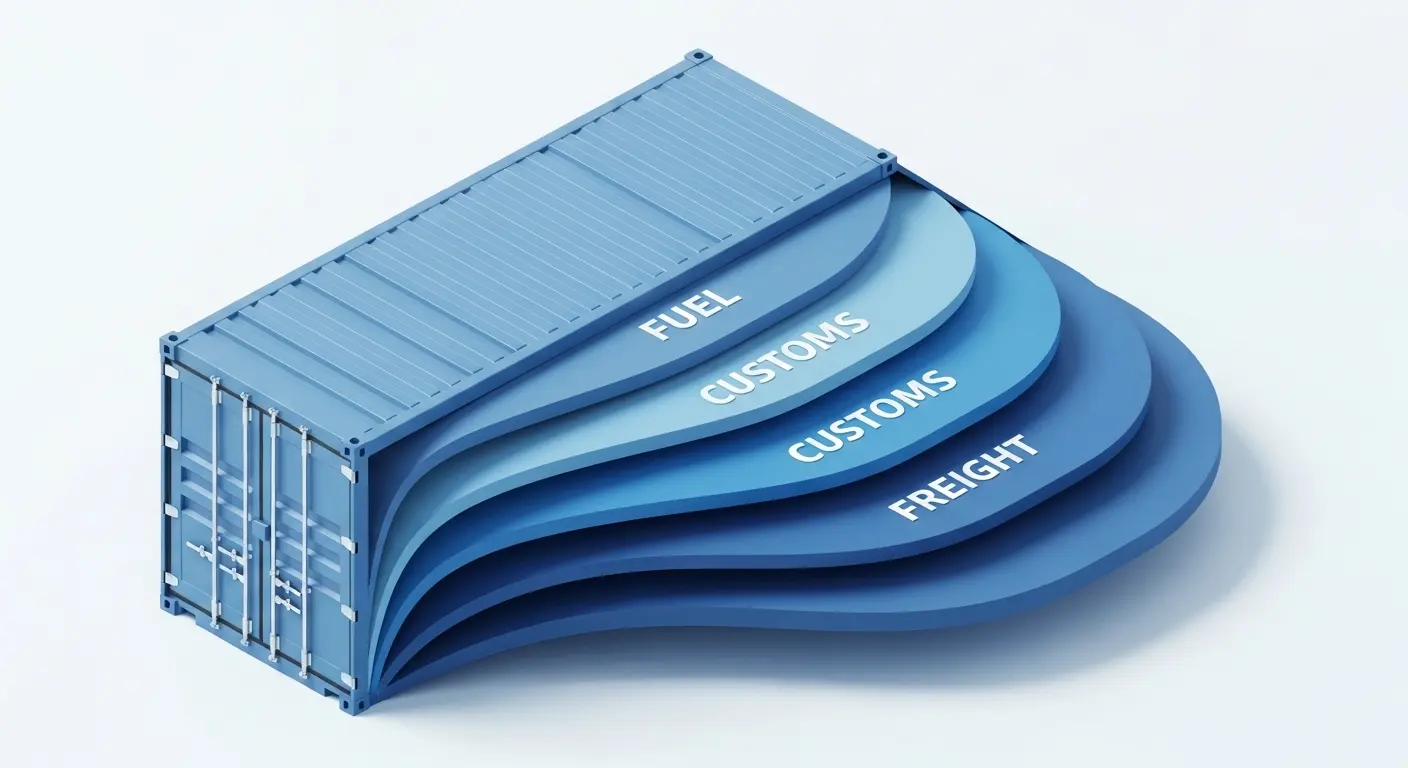
When you request a quote, most people just look at the bottom line. However, that total is usually built from several volatile layers. To really understand what you’re paying, you have to peel back the curtain on four specific areas.
1. The Freight Foundation
This is the core cost of moving your boxes from point A to point B. Whether it’s by air, sea, or rail, this price fluctuates weekly based on fuel prices and seasonal demand. During the “Peak Season” (typically September through January), these rates can double in a matter of days. If your quote doesn’t specify a validity period, treat it with caution.
2. Fuel and Emergency Surcharges
Fuel isn’t free, and carriers pass that cost directly to you through the Fuel Surcharge (FSC). There are also “Emergency” surcharges that pop up during port strikes or global crises. A good logistics partner will be upfront about these floating costs rather than burying them in the fine print.
3. Customs Clearance and Documentation
This is where many “cheap” quotes fall apart. Does your quote include the filing of the Entry Summary? Does it cover the bond? If you’re using cross-border logistics services from China, you need to know if you’re getting a DDP (Delivered Duty Paid) or a DAP (Delivered at Place) rate. One includes the taxes; the other leaves you with a surprise bill at the border.
4. The “Last Mile” Delivery
Getting the goods to the destination port is only 80% of the journey. The final stretch—from the warehouse to your customer’s door or an FBA center—can be surprisingly expensive. Residential delivery fees, liftgate requirements, and remote area surcharges can easily add $50 to $200 to a single shipment.
The Battery Problem: Why specialized cargo changes the math
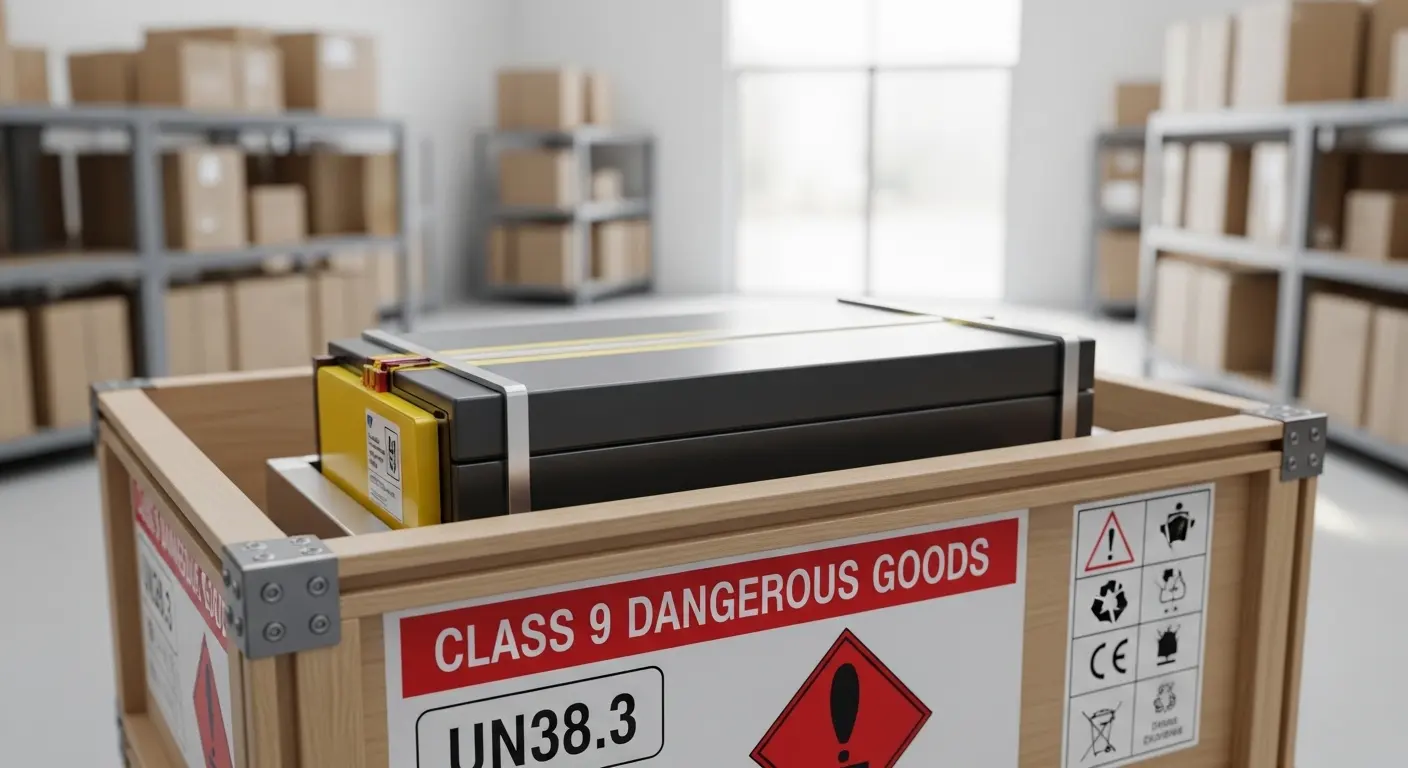
If you’re shipping electronics, your cross border logistics quote will look very different from someone shipping t-shirts. Why? Because lithium batteries are classified as Dangerous Goods (DG).
Shipping batteries requires a level of expertise that many standard freight forwarders simply don’t have. Most carriers won’t even touch Class 9 hazardous materials without the proper UN38.3 certification and MSDS (Material Safety Data Sheet) documentation. Because of the risk and the specialized handling involved, “battery-inclusive” quotes will always be higher than general cargo.
However, the “cheap” providers often quote you for general cargo and then wait until the shipment is flagged at the airport. At that point, they’ll hit you with a massive “correction fee” or, worse, your cargo gets seized. When you’re looking for cross-border freight forwarding from China, always specify if your products contain batteries. It’s better to pay the DG premium upfront than to lose your inventory entirely.
Global Corridors: Why location dictates the price
Not all borders are created equal. The regulatory hurdles you face when shipping to Los Angeles are worlds apart from those you’ll encounter in Hamburg or Nairobi.
Shipping to North America
For those looking for cross-border logistics in North America, the primary concern is often Section 301 tariffs on Chinese goods. Your quote needs to account for these extra duties. If you’re shipping to the US, ask your provider if they offer “T86” entry for small e-commerce packages, which can help bypass some of these costs for shipments under $800.
Shipping to Europe and the UK
Post-Brexit, shipping to the UK and EU requires separate strategies. You’ll need an EORI number and a clear understanding of VAT. Many savvy sellers now use IOSS (Import One-Stop Shop) to streamline the tax process for small orders. If your logistics quote doesn’t mention VAT handling, you might be in for a headache when your goods reach the French or German border.
Shipping to Africa
This is one of the most complex but rewarding markets. Infrastructure can vary wildly between regions. When exploring Africa logistics services, look for providers who understand the local “pre-inspection” requirements (like PVOC or SONCAP). Without these, your goods will sit in a port racking up demurrage fees that no quote can prepare you for.
DDP vs. DAP: Don’t let the acronyms fool you
In the world of logistics quotes, Incoterms are the law. The two most common ones you’ll see are DDP and DAP.
- DDP (Delivered Duty Paid): This is the “all-inclusive” vacation of shipping. The seller (or forwarder) handles everything—freight, insurance, customs, and duties. The price you see on the quote is the price you pay. It’s the best choice for e-commerce sellers who don’t want to deal with customs paperwork.
- DAP (Delivered at Place): You pay for the freight to the destination, but you (the buyer) are responsible for the taxes and duties when the goods arrive. This often looks cheaper on paper, but once you add the 20% VAT and 5-10% duty, it’s usually more expensive than the DDP option.
Always ask for a DDP quote if you want maximum predictability for your global cross-border logistics. It removes the “surprise” element from the equation.
How to compare different logistics quotes
If you have three quotes in front of you and one is $500 cheaper than the others, don’t celebrate just yet. You need to do a “line-by-line” audit. Here is my checklist for comparing quotes:
- Check the Transit Time: Is the cheap quote for “Slow Sea” (45 days) while the others are for “Fast Sea” (20 days)?
- Look for “All-In” Language: Does the quote explicitly state “No hidden fees”? If not, ask for a list of potential surcharges.
- Verify the Volume Weight: Logistics companies charge based on either actual weight or “volumetric” weight (how much space it takes up). Some quotes use a 1:5000 ratio, while others use 1:6000. This small difference can change your final bill by hundreds of dollars.
- Insurance Inclusion: Does the quote include cargo insurance? If it doesn’t, and the ship hits a storm, you’re on the hook for the loss.
5 Ways to reduce your cross-border shipping costs
You don’t always have to accept the first price you see. There are ways to optimize your shipment to get a better cross border logistics quote.
- Optimize Your Packaging: If you can shave two inches off your box size, you might drop into a lower volumetric weight bracket.
- Consolidate Shipments: Instead of shipping five small boxes over two weeks, wait and ship one large pallet. The “per-kilo” rate is almost always lower for larger volumes.
- Choose the Right Port: Sometimes shipping to a port that’s slightly further away but less congested can save you money on “trucking wait time” fees.
- Avoid “Peak” Shipping: If your goods aren’t time-sensitive, ship them in the “off-season” (February to April).
- Use a Specialized Forwarder: If you ship batteries, use a battery expert. They have better contracts with DG-friendly airlines, which translates to lower rates for you.
Frequently Asked Questions (FAQ)
How long is a logistics quote usually valid?
Typically, a quote is valid for 7 to 14 days. Because fuel and space on ships are so volatile, rates can change overnight. Always confirm the validity date before booking.
What is the difference between “Port-to-Port” and “Door-to-Door”?
Port-to-Port only covers the ocean or air journey. You are responsible for getting the goods to the origin port and picking them up at the destination. Door-to-Door is a complete service where the forwarder handles the entire journey from the factory floor to your warehouse.
Why is my volumetric weight higher than my actual weight?
Airlines and shipping lines have limited space. If you’re shipping something light but bulky (like pillows), they charge you for the space you occupy rather than the weight. The standard formula is (Length x Width x Height) / 5000 for air freight.
Do I need a customs broker for cross-border shipping?
If you choose a DDP quote, your forwarder usually acts as the broker or has one on staff. If you ship DAP or FOB, you’ll likely need to hire your own broker to clear the goods through customs.
Can I get a quote for shipping hazardous materials like batteries?
Yes, but you must provide the MSDS and UN38.3 test report. Quotes for these items include a “Dangerous Goods” surcharge and require specialized packaging to meet airline safety standards.
Ready to get a quote that actually stays the same?
Stop guessing what your shipping is going to cost. Whether you’re moving standard retail goods or complex lithium battery cargo, you deserve a quote that’s transparent, competitive, and reliable. At Fexbuy, we specialize in those “hard-to-ship” items and complex corridors like China to the US, EU, and Africa.


