


Cross Border Ecommerce Logistics: 2026 Strategy Guide
Imagine a customer in Lagos orders a high-precision digital thermometer, expecting it in five days. However, your shipment gets flagged at customs because the lithium button battery inside doesn’t meet the new March 2026 IATA safety standards. Consequently, your “quick delivery” turns into a three-week nightmare of paperwork and fines. This scenario isn’t just bad luck; it’s the reality of modern trade without a solid strategy.
Navigating cross border ecommerce logistics in 2026 requires more than just a shipping label. It demands an “invisible” system that handles shifting tariffs, strict battery laws, and complex last-mile routes without your customer ever feeling the friction. If you’re sourcing high-compliance items like disposable needles or electronics, you need a partner who anticipates these hurdles before they happen.
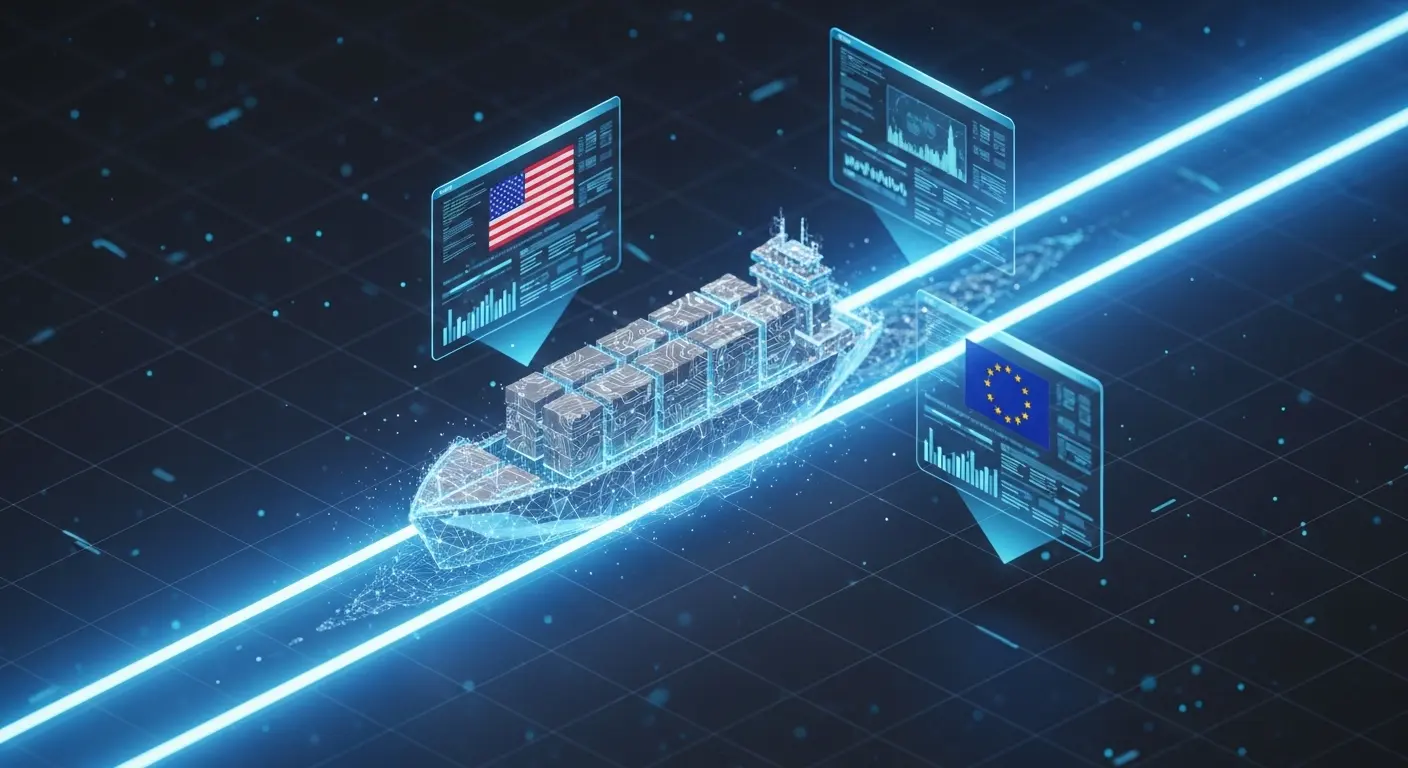
Navigating the 2026 trade shifts: From US tariffs to EU parcel rules
The global trade map has changed significantly this year. Specifically, the US de-minimis rollback under HR 7979 has transformed how small parcels enter North America. Previously, most e-commerce packages under $800 bypassed heavy scrutiny. However, those days are gone. Now, every single box requires detailed data on origin and compliance.
The impact of HR 7979 and the US de-minimis rollback
Furthermore, these new rules mean your landed costs could fluctuate overnight. If your logistics provider isn’t auditing your HTS codes, you might be overpaying for cross-border logistics in North America. Therefore, savvy sellers are shifting to bonded warehouse models. This allows them to bulk-ship and only pay duties when a local sale occurs.
The July 2026 EU shift: Low-value parcel requirements
Similarly, Europe is tightening its grip on the “Single Portal” approach. By July 2026, every cross-border seller must utilize the updated IOSS system for VAT. Consequently, if your oxygen masks or other medical consumables don’t have the correct digital “tax stamp,” they won’t even leave the port of Shanghai.
Solving the battery shipping problem in ecommerce
Shipping electronics is the ultimate test for any cross border ecommerce logistics strategy. Since lithium batteries are classified as dangerous goods, one mistake can lead to a total shipment seizure. Furthermore, the 2026 IATA mandates have introduced even stricter “State of Charge” (SoC) requirements that many factories still ignore.
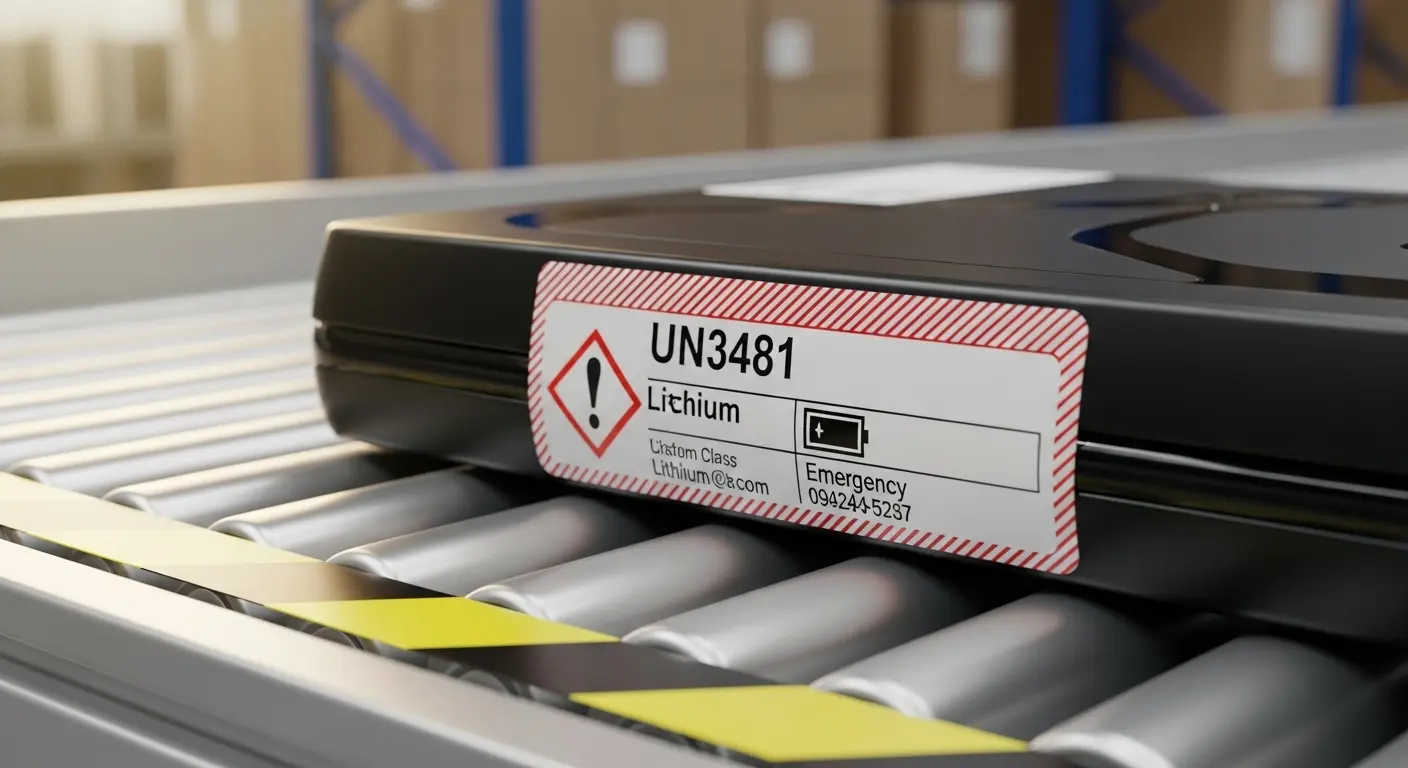
Mastering the 30% SoC limit for air freight
As of this year, all lithium batteries packed with equipment must be at or below 30% charge for air transport. Specifically, this applies to everything from electronic blood pressure monitors to handheld stethoscopes. If your provider doesn’t verify this at the warehouse, the airline will reject your cargo. Consequently, your lead times will skyrocket.
DDP battery solutions: Removing the “customs fear”
Moreover, you shouldn’t let your customers deal with the headache of hazardous materials paperwork. By utilizing global cross-border logistics with a DDP (Delivered Duty Paid) focus, you handle the battery surcharges and safety documentation upfront. This creates a seamless experience where the package simply “appears” at the door, fully cleared and compliant.
Optimized global trade lanes: Local expertise in global corridors
Global shipping isn’t a one-size-fits-all game. The hurdles you face shipping to Los Angeles are worlds apart from the challenges in Nairobi or Hamburg. Therefore, your cross border ecommerce logistics provider must have deep, on-the-ground knowledge of specific corridors.
China-to-Africa: The final frontier of ecommerce
Africa is currently the fastest-growing market for digital trade. However, infrastructure gaps and varying PVOC (Pre-Export Verification of Conformity) rules make it tricky. By leveraging specialized Africa logistics services, you can bypass the usual delays in cities like Lagos or Johannesburg. We handle the local certifications so your products, like infusion pumps, reach hospitals without getting stuck in port.
Direct-from-China fulfillment: Why proximity matters
Moreover, having a logistics hub near the manufacturing source is a huge advantage. When you use cross-border logistics services from China, you can perform quality control and re-packaging before the goods ever leave the country. Specifically, this is vital for sterile items like suction catheters that require perfect packaging integrity.
AI-driven tracking and “control tower” visibility
In 2026, “Where is my package?” should be a question of the past. Modern cross border ecommerce logistics now utilizes AI “control towers” to predict delays before they happen. If a port strike is brewing in Europe, the system automatically reroutes your cross-border freight forwarding from China to a secondary port.

Seamless Shopify and Amazon MCF integration
Furthermore, your logistics should talk to your store. We integrate directly with platforms like Shopify and Amazon to provide real-time inventory syncing. Consequently, you never sell a product that’s stuck in a transit “black hole.” Similarly, this data allows you to provide your customers with precise delivery windows, which builds massive trust.
FAQ: Mastering your global supply chain
What are the hidden costs of cross border ecommerce logistics?
The most common hidden costs are “ancillary charges.” These include fuel surcharges, residential delivery fees, and customs inspection “waiting fees.” However, a transparent DDP quote should bundle these into one predictable price.
How do I choose between DDP and DAP for my online store?
DDP is almost always better for e-commerce. It ensures the customer pays nothing upon delivery. Conversely, DAP (Delivered at Place) forces the customer to pay taxes at the door, which often leads to package refusals and negative reviews.
Can I ship lithium batteries via standard e-packet services?
Usually, no. Standard postal services have very strict bans on lithium batteries. Therefore, you must use a specialized courier or a freight forwarder who has “Dangerous Goods” (DG) contracts with major airlines.
How long does cross border ecommerce delivery take in 2026?
With optimized lanes, air freight from China to the US or EU typically takes 5–8 days. However, sea freight can take 25–40 days. Your choice depends on your margin and how “urgent” the product is for the end user.
Stop losing margins to border friction
The border shouldn’t be a barrier to your growth. Whether you’re shipping disposable syringes or high-tech gadgets, you need a logistics plan that works in the background. Stop wrestling with customs codes and start focusing on your brand.


