




Rail Freight Forwarding From China to Europe and the UK
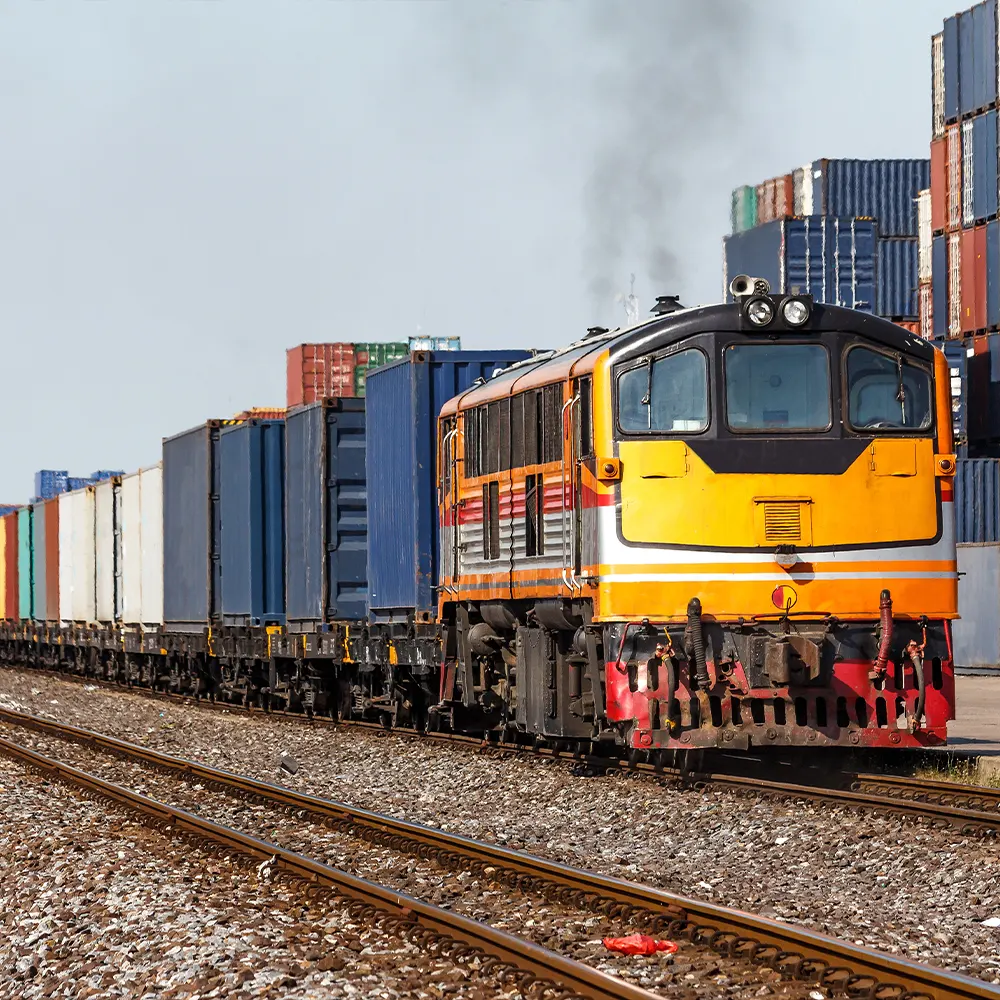
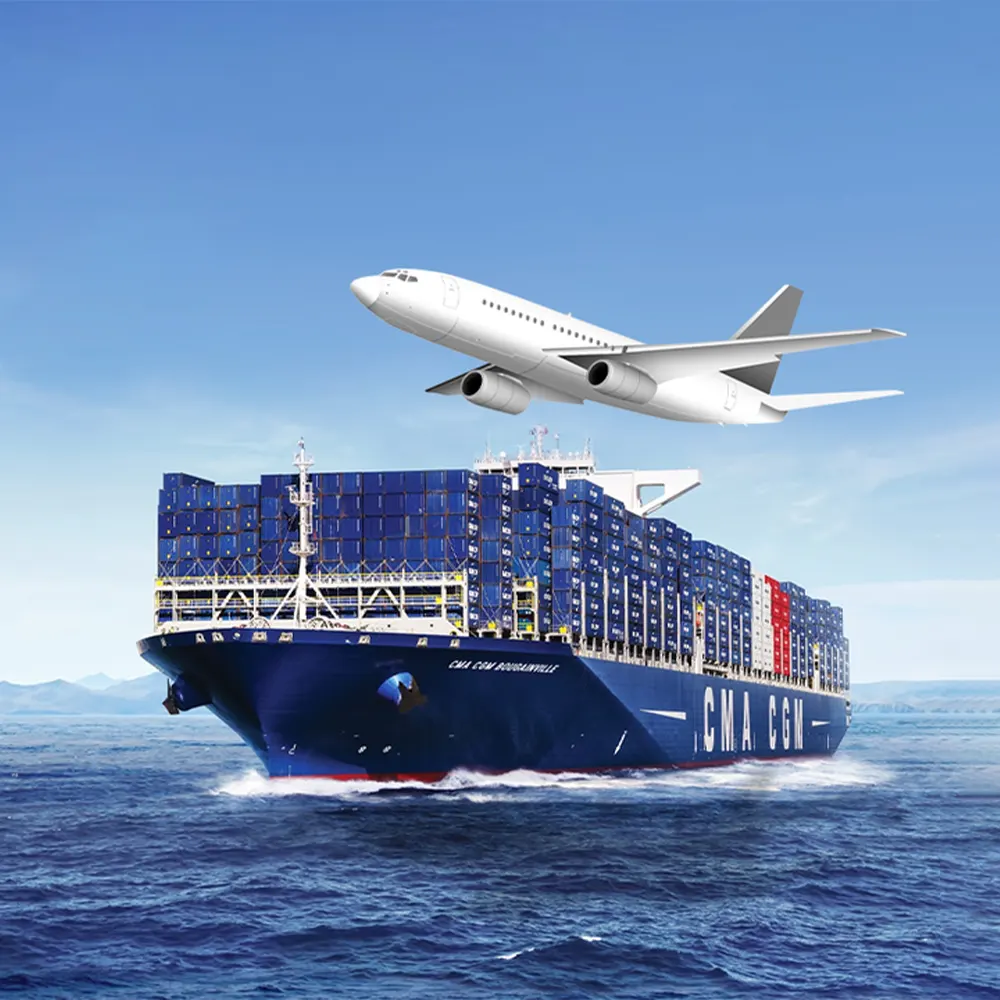
Rail freight forwarding has become an important logistics solution for companies that need a reliable balance between cost, speed, and delivery stability. For businesses shipping cargo from China to Europe or the UK, railway transportation offers a practical middle option between ocean freight and air freight. It is usually faster than sea shipping and more economical than air transport, making it suitable for importers, wholesalers, manufacturers, e-commerce sellers, and supply chain companies that need predictable international delivery.
FEXBUY provides professional rail freight forwarding services for cargo moving from major Chinese cities to key European and UK destinations. Our service can include supplier pickup, warehouse consolidation, export handling, railway booking, customs documentation support, cross-border coordination, destination clearance, and final truck delivery. With a complete logistics process, customers can reduce communication costs and manage international shipments more efficiently.
Rail transport is especially useful for companies that need stable replenishment schedules. When goods are too urgent for ocean freight but air freight is too expensive, rail freight forwarding provides a more balanced shipping choice. It helps customers control logistics budgets while keeping delivery times shorter than traditional sea routes.
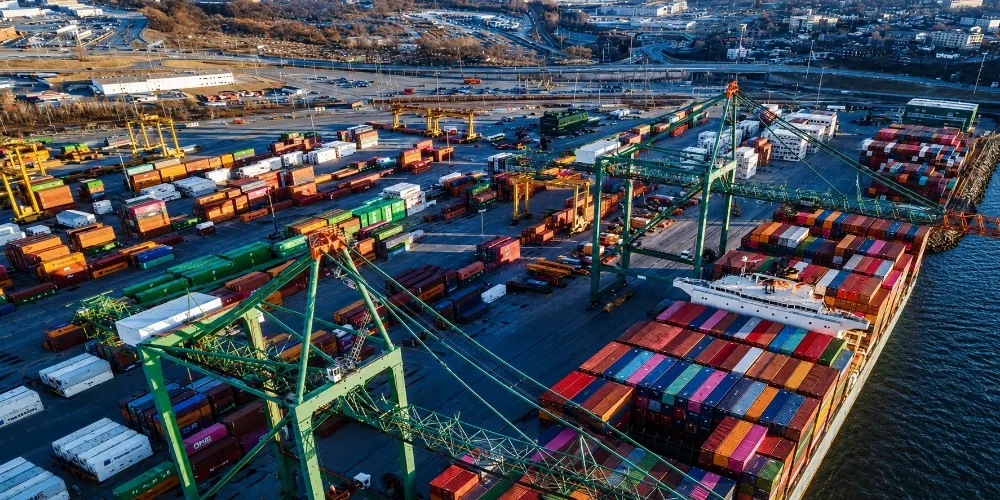
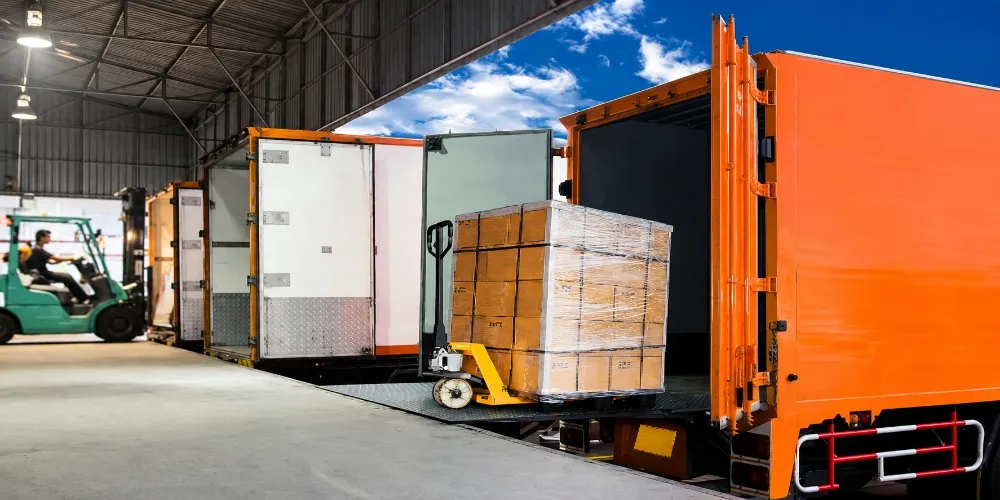
Why Rail Freight Forwarding Is a Smart Logistics Choice
Many importers choose rail freight because it supports better planning across long-distance international routes. Compared with sea freight, railway shipping can reduce transit time and improve supply chain flexibility. Compared with air freight, rail shipping can lower transportation costs for medium and large cargo volumes. This makes it a strong option for regular shipments, seasonal inventory, commercial goods, machinery parts, electronics, industrial products, and consumer goods.
Rail freight forwarding also gives customers more route stability. Railway networks follow fixed schedules and operate through established transport corridors. This helps businesses estimate arrival times more clearly and plan warehouse receiving, sales preparation, and inventory distribution in advance. For companies that rely on steady cargo flow, predictable delivery is just as important as low shipping cost.
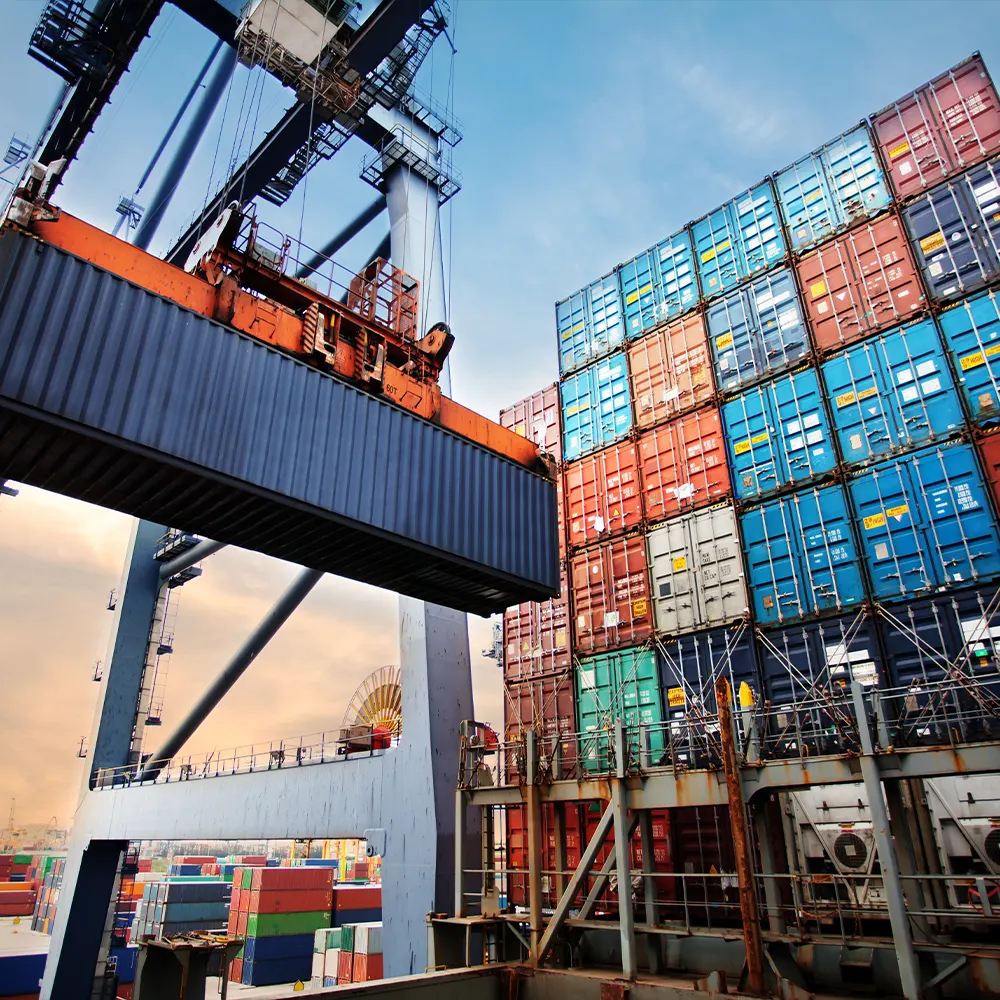
Another advantage is better container security. Cargo usually moves in sealed containers, reducing unnecessary handling during long-distance transport. Fewer handling stages can help lower the risk of cargo loss, damage, or confusion. For high-value goods or important commercial shipments, this can provide additional peace of mind.
China-Europe Rail Freight Routes
China-Europe rail freight connects many major manufacturing regions in China with important logistics hubs across Europe. Cargo can depart from cities such as Shenzhen, Guangzhou, Yiwu, Chongqing, Chengdu, Xi’an, Zhengzhou, Wuhan, Suzhou, and Shanghai. These origin cities support different supplier networks and cargo types, allowing customers to choose suitable departure points based on factory location, cargo volume, and delivery requirements.
On the destination side, rail cargo can reach many European logistics centers, including Germany, Poland, the Netherlands, France, Hungary, Spain, Italy, Belgium, and other regional hubs. After arrival at the rail terminal, goods can be transferred by truck for final delivery to warehouses, Amazon FBA centers, commercial addresses, or distribution partners.
For UK shipments, rail freight can also be combined with additional transport services to complete delivery after the cargo reaches Europe. This multimodal solution allows customers to ship from China to the UK with coordinated rail, customs, and trucking support.
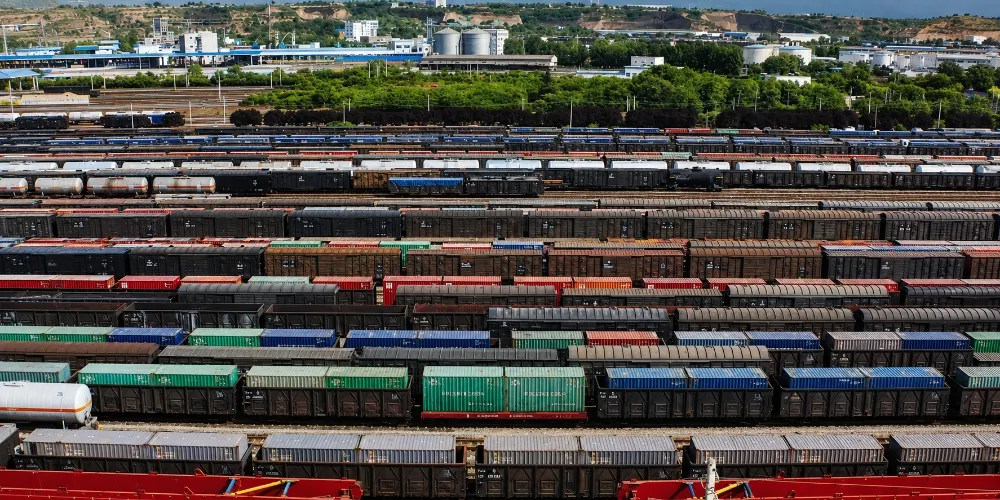
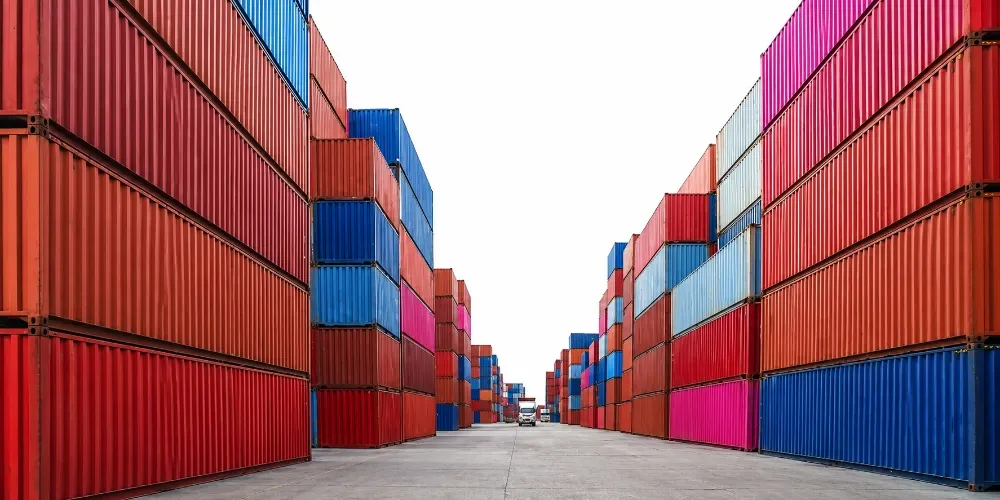
Door to Door Rail Freight Forwarding Service
Door to door rail freight forwarding is a convenient option for customers who want one logistics partner to manage the complete shipping process. Instead of arranging pickup, export declaration, rail booking, customs clearance, and final delivery separately, customers can work with FEXBUY to coordinate the full route from China to the final destination.
The door to door service can include cargo pickup from the supplier’s factory, delivery to our warehouse, package inspection, cargo consolidation, export customs handling, railway transportation, destination customs clearance, tax and duty coordination when applicable, and local truck delivery. This service helps customers save time and avoid common problems caused by incomplete documents, unclear handover points, or poor communication between different providers.
For importers without a local logistics team in China, door to door railway shipping is especially helpful. It allows customers to receive clearer updates and manage the shipment through a more organized process.
Cargo Consolidation and Warehouse Support
Many customers purchase products from several factories in China. In this situation, cargo consolidation can make rail freight forwarding more efficient. FEXBUY can receive goods from different suppliers, check package quantities, confirm shipping marks, and combine cargo into one shipment. This helps reduce repeated transportation, simplify documents, and improve overall shipping control.
Warehouse support is also useful for e-commerce sellers and trading companies. Customers can store goods temporarily, wait for all supplier shipments to arrive, and then arrange one combined railway shipment. This service helps reduce scattered logistics costs and makes inventory planning easier.
Before shipment, our team can help check basic cargo information, including product name, carton size, gross weight, number of packages, HS code, cargo value, and destination address. Accurate cargo details help reduce the risk of re-rating, customs questions, and terminal delays.
Customs Clearance and Documentation Support
International rail freight involves several important documentation steps. Common documents include commercial invoice, packing list, sales contract, product description, HS code information, export declaration details, and other documents required by the destination country. If documents are incomplete or inconsistent, the shipment may face customs delays, extra storage charges, or additional communication.
FEXBUY helps customers prepare and review basic shipping information before cargo departure. Our team can coordinate with suppliers, customs brokers, rail operators, and destination agents to improve clearance efficiency. For China-Europe and China-UK rail freight forwarding, smooth customs handling is one of the most important parts of the shipping process.
Customers can choose different trade terms based on their business needs. FCA, CPT, CIP, DAP, and DDP are commonly used in rail freight forwarding. DDP can be helpful for customers who want a simplified landed-cost solution, while DAP may suit importers who prefer to manage their own import tax and customs process. Choosing the right Incoterms can reduce confusion and make cost responsibility clearer.
Suitable Cargo for Rail Freight Forwarding
Rail freight forwarding is suitable for many types of cargo, including electronics, household goods, machinery parts, auto parts, textiles, packaging materials, industrial components, furniture, tools, outdoor products, and general commercial goods. It is especially useful for cargo that is not urgent enough for air freight but still requires faster delivery than ocean freight.
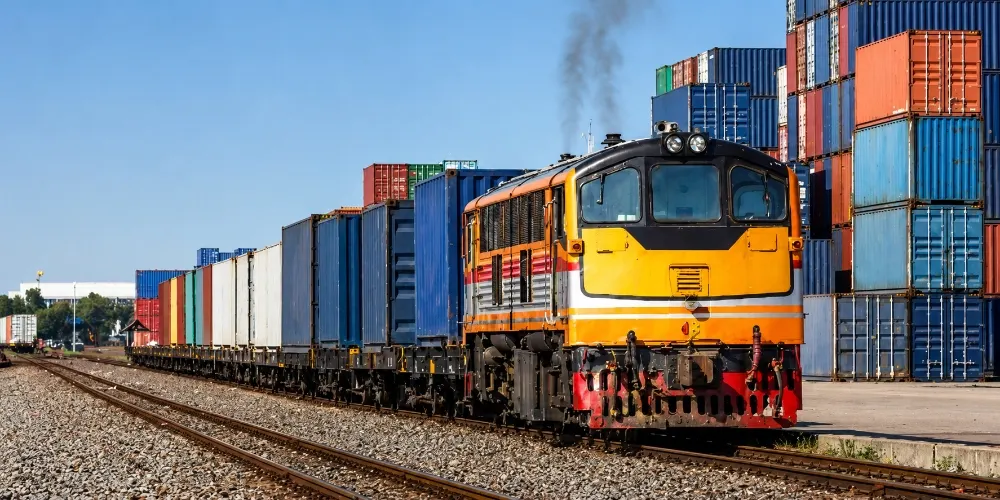
Containerized goods are commonly shipped by rail. Depending on cargo volume and shipping requirements, customers can choose full container load or consolidated cargo solutions. Heavy goods and medium-volume shipments often benefit from railway transport because rail can handle large cargo more efficiently than long-distance road transport.
Some special cargo may require case-by-case confirmation before shipment. Customers should provide product details, photos, packing information, material description, and destination requirements before booking. Early checking helps confirm whether the cargo is suitable for rail transport and avoids unnecessary delays.
How Rail Freight Costs Are Calculated
Rail freight forwarding costs can vary based on several factors. The main cost elements include pickup location, cargo volume, cargo weight, container type, route availability, railway space, customs clearance, terminal handling, insurance, destination trucking, and delivery address. Seasonal demand, border congestion, and equipment availability can also affect the final quotation.
To receive an accurate rail freight quote, customers should provide the pickup city, destination address, product name, number of packages, carton dimensions, gross weight, cargo value, preferred shipping time, and delivery requirements. If the cargo needs DDP or DAP service, the destination country and final delivery address are also important for cost calculation.
FEXBUY provides transparent quotation support and helps customers compare suitable logistics options. Our goal is to help importers choose a rail freight solution that fits their delivery schedule, budget, and cargo type.
Why Choose FEXBUY as Your Rail Freight Forwarder
FEXBUY offers reliable rail freight forwarding services with strong support for China-Europe and China-UK cargo transportation. We help customers manage each step of the shipping process, from supplier pickup and warehouse consolidation to railway booking, customs coordination, and final delivery. With one logistics partner handling the full process, customers can reduce operational pressure and improve shipping visibility.
Our team focuses on clear communication, practical route planning, and cost-effective transportation solutions. Whether you need regular rail freight, door to door delivery, DDP shipping, warehouse support, or cargo consolidation, we can recommend a suitable plan based on your shipment details.
If you are looking for a rail freight forwarder from China to Europe or the UK, FEXBUY can help you build a more stable international logistics solution. Contact our team with your cargo information, and we will provide a customized rail freight quotation based on your route, cargo size, delivery time, and service requirements.
FAQ
1. What is rail freight forwarding?
Rail freight forwarding is a logistics service that arranges cargo transportation by railway. It can include pickup, warehouse handling, export declaration, rail booking, customs clearance, and final truck delivery. It is commonly used for shipments from China to Europe and the UK.
2. Is rail freight faster than sea freight?
Yes. Rail freight is usually faster than sea freight on many China-Europe routes. It offers a good balance between speed and cost, making it suitable for customers who need shorter transit times but want to avoid the high cost of air freight.
3. What cargo is suitable for rail freight forwarding?
Rail freight is suitable for electronics, machinery parts, household goods, textiles, tools, industrial components, packaging materials, and general commercial cargo. Some special goods may need additional checking before shipment.
4. Can FEXBUY provide door to door rail freight service?
Yes. FEXBUY can arrange door to door rail freight service from China to Europe or the UK. The service can include supplier pickup, export handling, railway transportation, customs clearance, and final delivery to the customer’s address.
5. What information is needed for a rail freight quote?
Please provide the pickup city, destination address, product name, carton size, gross weight, number of packages, cargo value, and preferred delivery time. These details help us recommend a suitable rail freight forwarding solution.
