


Customs Clearance & Duties in Power Bank Shipping from China to Europe
Power Bank Shipping from China to Europe requires an understanding of customs clearance and import duties. Because power banks contain lithium-ion batteries, they are classified as dangerous goods (DG) by international transport regulations, meaning there is even greater scrutiny from customs than there is for standard electronic goods.
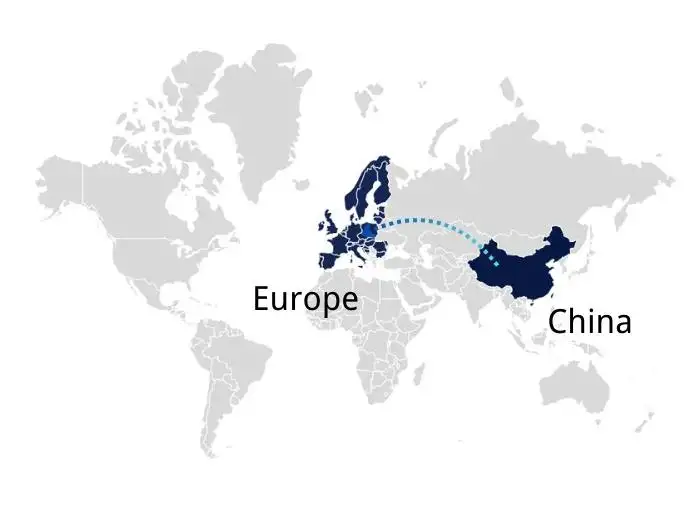
This document will detail the major customs procedures, tariff regulations, import-related costs, and provide some tips that will help minimize delays and optimize the customs clearance process.
1. HS Code Classification for Power Banks
To avoid overpayments of customs duties or fines, and to avoid delays caused by customs inspections, it is essential to the classification of Power Banks to HS Codes.
Usually power banks will fall under HS Chapter 8507 (Electric accumulators). Classification within this chapter depends on the type of battery and the configuration of the product (whether it is sold alone or with other devices).
Common HS Codes Used in EU Import
| HS Code | Product Description | Typical EU Duty Rate |
| 8507.60.00 | Lithium-ion accumulators (most power banks) | 0% – 3.7% |
| 8507.80.00 | Other accumulators (e.g., nickel-based types) | 0% – 2.5% |
| 8507.90.80 | Accumulators integrated with devices (case-dependent classification) | 0% – 3.0% |
�� Note: Classification must be checked against the EU TARIC system or binding tariff information (BTI) to ensure compliance.
Utilization of an incorrect HS Code in Power Bank Shipping from China to Europe will trigger either a customs re-evaluation or a suspension of the clearance process.
2. Import Duties, VAT & Trade Terms
The total costs of importing goods into the EU are essentially the customs duties and VAT, and these are assessed against the declared customs value.
Customs Value Calculation
When applying the transaction value method, the EU considers:
•Cost of the item
•Cost of insurance
•Cost of freight
Customs representatives may ask for invoices and/or proof of payment. Undervaluation is a leading cause of customs audits.
EU VAT Overview
•VAT rates by country vary and are generally from 19% to 25%
•VAT charges are assessed on the sum of the customs value and the duty.
•Registered importers are able to recover VAT, subject to the provisions of the local tax law.
DDP vs. DDU Shipping Terms
•DDP (Delivered Duty Paid)
With DDP, the seller pays the duty and VAT and clears the goods legally. DDP shipping helps make shipping to EU clients even easier.
•DDU (Delivered Duty Unpaid)
With DDU the buyer clears the goods and pays the VAT and duty. The shipment may get delayed if the buyer does not have the proper paperwork.
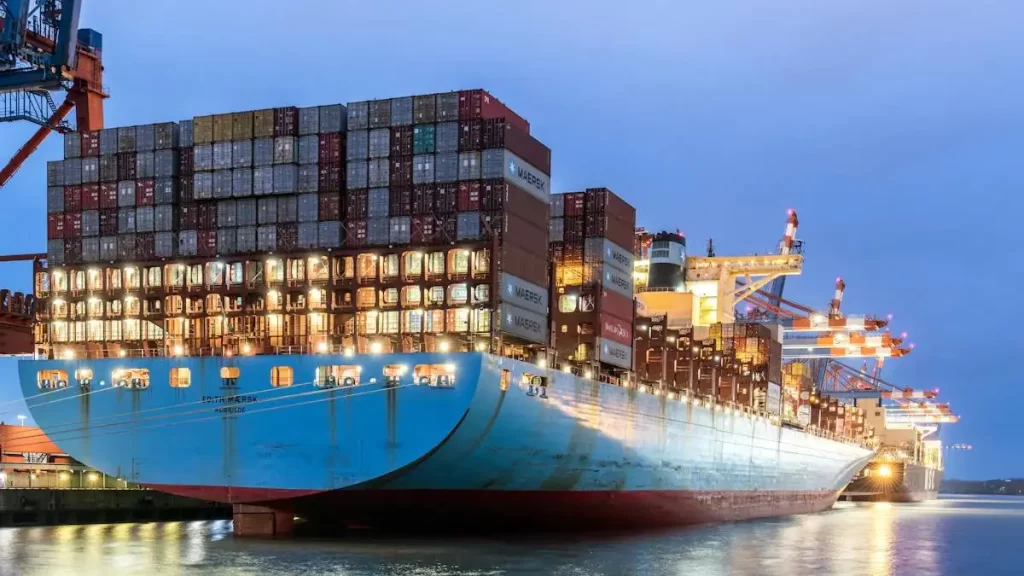
When shipping power banks from China to Europe for e-Commerce and Amazon FBA, DDP is the preferred shipping term for its reliability and ease for the customs process.
3. Required Customs Documentation
Shipping Lithium Batteries requires special documentation, and one of the major causes of customs delays for Lithium Batteries is incomplete documentation.
Core Documentation
• Commercial Invoice
An HS code, a detailed description, the unit value, the country of origin, and the Incoterms are required. The description should be concise.
• Packing List
Requires the same information as the Commercial Invoice with the addition of the total number of cartons.
• UN38.3 Test Report
This report is required to comply with the transport of Lithium Batteries regulation.
• MSDS (Material Safety Data Sheet)
This is needed to show a transport carrier the safety and risk assessment of the product’s chemical makeup.
• Dangerous Goods Declaration (DGD)
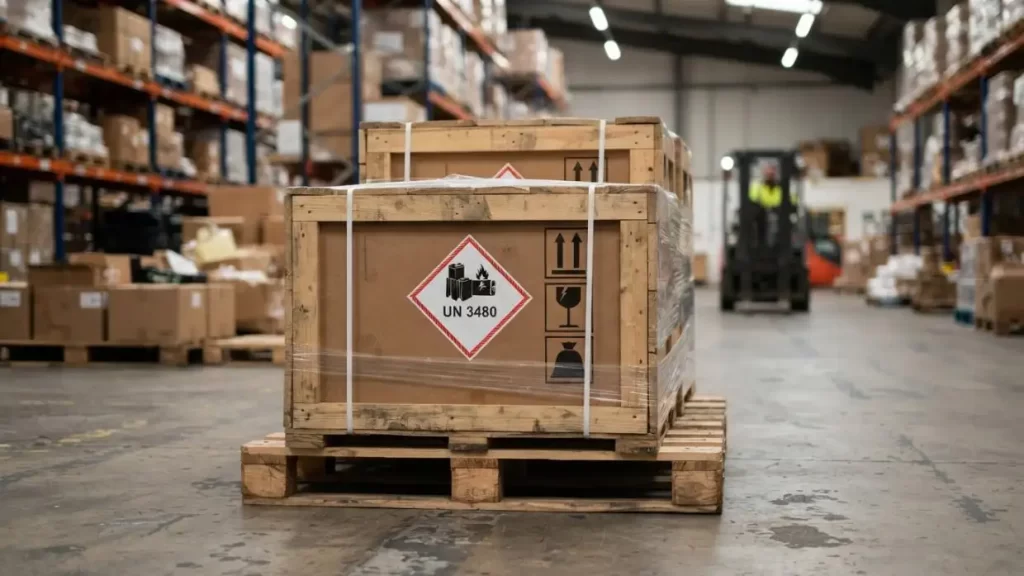
This is needed when transporting under air or sea freight UN regulations for the subsidiary (UN3480, UN3481).
• CE Declaration of Conformity
This is needed to show the CE mark of compliance with the European standards of safety and health.
• WEEE Registration (where applicable)
This is required for the compliance of electrical waste in the European Union, for example, in France and Germany.
The preparation of a standardized documentation package enhances custom clearance efficiency for the Power Bank Shipping operation from China to Europe, even prior to the shipment.
4. Common Causes of Customs Delays
| Issue | Root Cause | Preventative Measure |
| HS Code Difference | Classification Errors | Confirm HS Code with TARIC before shipment |
| Lack of DG Docs | NO UN38.3 or UN DGD | Use DG forwarders |
| CE Compliance Issues | Lack of EU Regulatory Docs | Provide Technical Docs prior to Export |
| Inadequately Packaged | Improper Cartons/ Lack of Lithium Labels | Compliance to IATA/ IMDG Packaging Regulations |
| Invoicing Issues | Discrepancy in Value or Weight | Invoice, Packing List, and Purchase Orders must Align |
| Battery Charge Limits Noncompliance | Exceeding Charge Limits During Transport | SOC must be IATA Compliant |
Most customs clearance delays can be addressed by engaging suppliers, freight forwarders and customs brokers.
5. Best Practices for Streamlined Customs Clearing
Power Bank Shipping from China to Europe can be improved by the following:
Compliance Review Pre-Shipment
Engaging a customs broker to assess the customs documents prior to shipment is advised. Validation in advance minimizes the risk of delays at the border.
Correct Labeling & Packaging
Ensure labeling for the handling of lithium batteries is:
• Easy to read
• Resistant to changes in weather
• Applied to outer packaging (not edges or seams)
Valued Appropriately
Intentionally valuing a shipment at a lower cost than its real value will most likely lead to a customs inspection and/or request an adjustment of the declared value which will incur a customs storage fee and delay the shipment.
Maintain Records of Shipment Compliance
Maintain an organized collection of the:
•UN38.3 Report
• Material Safety Data Sheet
• Dangerous Goods Declaration
• Photos of the packaging
• Correspondence from customs
Considerations for Post-Brexit Shipment to the UK
Unlike shipment to EU member countries, each shipment to the UK requires a customs declaration, and the UK may interpret the customs tariff classification differently than the EU.
6. Integrated Logistics Support (Fexbuy)
For shippers of lithium battery products, selecting a logistics provider with extensive experience in Dangerous Goods (DG) shipments can lower compliance risk and lessen the administrative burden.
Fexbuy offers the following comprehensive lithium battery logistics solutions:
• Air and sea freight DG compliant
• UN 38.3 compliance
• MSDS assistance
• Tariff classifications
• European Union (EU) Customs clearance and DDP services
• Cross border e-commerce delivery
Official Fexbuy Website
Fexbuy supports Dangerous Goods (DG) shipments and provides integrated customs services which minimizes the risk of documentation error and maximizes the predictability of shipments along the China to EU trade corridors.
FAQs
Q1. Are power banks dangerous goods when shipping?
Yes. Under UN regulation, power banks are dangerous goods because they contain lithium batteries.
Q2. What hs code do power banks fall under in the EU?
Most power banks fall under hs code 8507, based on the type and configuration of the battery.
Q3. Is UN38.3 required to ship power banks?
Yes, the UN38.3 test report is required to be in compliance to ship lithium batteries.
Q4. What is the VAT when importing power banks to Europe?
The VAT in the EU is between 19% and 25%, based on the destination country.
Q5. What is the difference between DDP and DDU in shipping?
In DDP the seller pays the duties and taxes, while in DDU the buyer is responsible to pay the duties and taxes.


