


Carbon-Neutral Shipping for Outdoor Power Stations: How to Choose Low-Carbon Logistics
Portable energy storage is becoming a crucial element for camping, RV life, and emergency backup storage options. As the popularity of these units grows, so does the environmental impact to ship Outdoor Power Stations. Outdoor Power Stations reduce fossil fuel consumption during outdoor activities, yet they still leave a carbon footprint during shipping. It’s a positive development that both shippers and brands are adopting carbon-neutral solutions. This article assesses emissions and low carbon transport and provides tips for more sustainable Outdoor Power Station purchases.
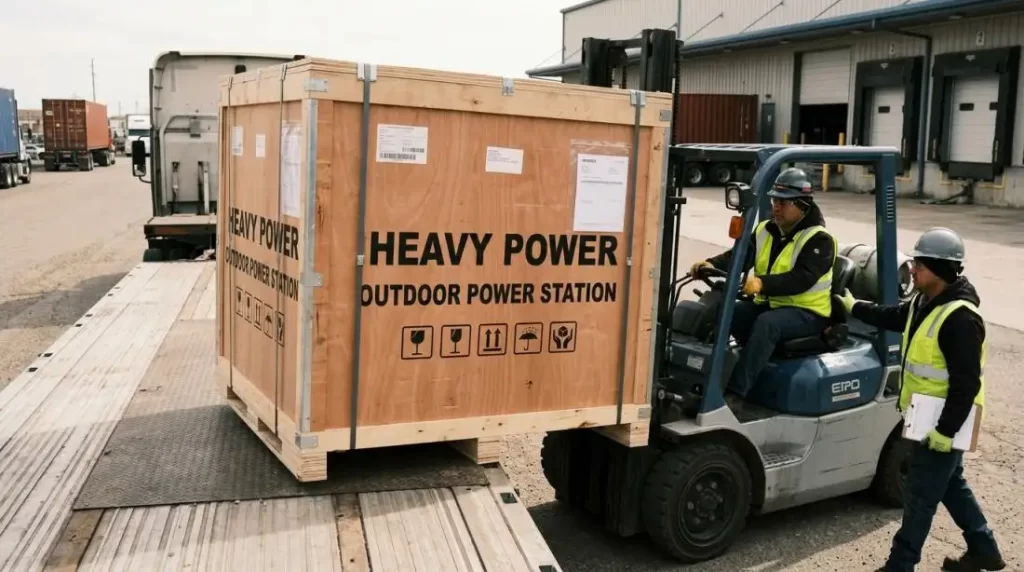
1. Shipping Outdoor Power Stations and Carbon Emissions
Shipping Outdoor Power Stations results in carbon emissions from three main activities.
• Manufacturing the Outdoor Power Station, including the battery cells, electronics, and housing, accounts for about 60% of the product’s lifecycle emissions.
• About 30% of the emissions comes from the transportation of the Outdoor Power Station and the materials used in its construction.
• The cardboard, foam, and plastic used as packaging contribute the remaining 10% of the emissions.
This article will discuss the transportation of Outdoor Power Stations and how various shipping methods can reduce emissions by about 90% without altering the Outdoor Power Station.
Why Shipping is the Focus?
Air shipping one Outdoor Power Station (500Wh) results in about 2.5 kg of CO2 emissions for each kg of Outdoor Power Station. Shipping Outdoor Power Stations by sea, however, only results in about 0.05 kg of CO2 emissions for each kg of Outdoor Power Station shipped.
The sale of Outdoor Power Stations is expected to reach over 20 million units worldwide by 2028. Due to this prediction, more efficient Outdoor Power Station shipping solutions must be discovered to deal with the climate crisis.
2. Why Choose Low-Carbon Logistics? – Two Key Drivers
2.1 Consumer Demand
72% of outdoor enthusiasts would pay more for carbon-neutral shipping. Outdoor Power Station customers are protectors of nature, and poor shipping practices would mean losing these customers.
2.2 Regulatory Pressure
By 2025, EU Battery Regulation (2023/1542) will make a carbon footprint declaration of batteries a legal requirement.
• France’s AGEC Law mandates e-commerce shipments have “transport emission” labels.
• California’s Air Resources Board is planning port emission caps that will impact all Outdoor Power Station Shipping.
• Neutral take: Regulations aren’t global yet, but those that are first to adopt low-carbon logistics will be positioned best in the most critical markets.
3. Cost-Effectiveness and Environmental Impact of Shipping Options
Used Shipping methods such as Air freight, Ocean freight (slow steaming), and rail freight (Eurasia) have great variation in delivering goods from China to the EU or US in Cost, Time, and Environmental Impact.
| Mode | CO₂ per ton-km | Cost per kg | Transit time (China to EU/US) | Best for |
| Air freight | ~1,200 g | Very High (USD 5-8) | 3-7 days | Urgent replacements, small samples |
| Ocean freight (slow steaming) | ~15 g | Very Low (USD 0.5-1) | 30-45 days | Bulk orders, regular restocking |
| Rail freight (Eurasia) | ~25 g | Medium (USD 2-3) | 18-22 days | Mid-volume to EU, avoiding ocean |
Key Insight
• Air freight is 80 times more CO₂ intensive than ocean freight.
• However, ocean freight will compromise the structural integrity of product packaging. This is especially important for the secure shipping of lithium batteries.
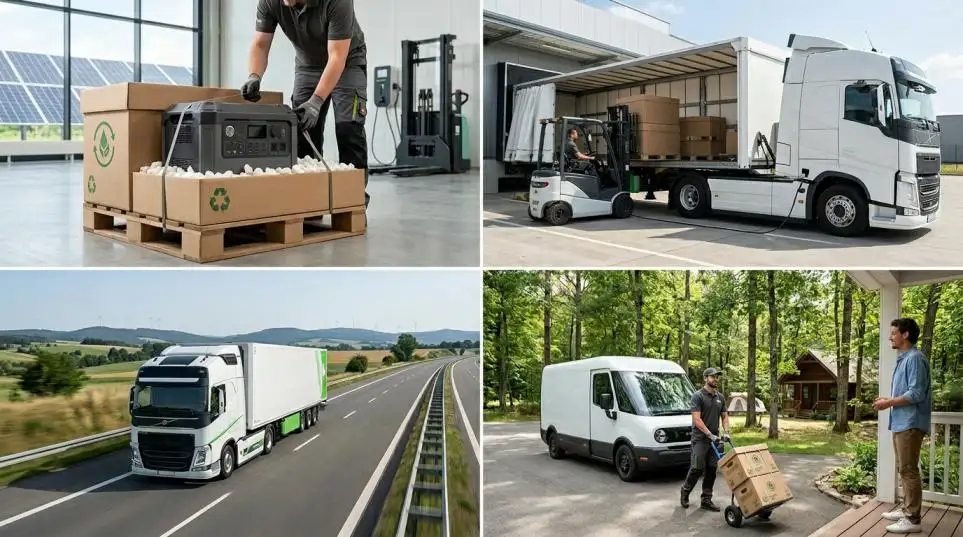
4. Practical Strategies for Shipping Carbon Neutral Outdoor Power Stations
Cutting carbon emissions is the first step to reach carbon neutrality. Then substitutions to lower impact emissions are made, followed by offsetting any remaining impact.
4.1 Reduce – Optimize Before Offsetting
• Consolidate shipments – Full container loads (FCL) result in 40% fewer emissions per unit transport compared to less-than-container loads (LCL).
• Lightweight packaging – Replacing heavy wooden crates with reinforced corrugated cardboard reduces shipments’ weight and emissions by 15%.
• Remove empty space – more units per pallet can be achieved by reducing volume with custom-cut foam.
4.2 Substitute – Choose Low-Carbon Transport Modes
• Sea + rail over air – For non-urgent Outdoor Power Station Shipping, the lead time can be increased by 2 weeks with a greater than 95% reduction in emissions.
• Biofuel-powered vessels – Maersk’s ECO Delivery and Hapag-Lloyd’s Ship Green vessels, which use a blend of 30% biofuel from waste feedstocks, achieve an 80-85% reduction in the emissions from ocean shipping.
4.3 Compensate – Certified Carbon Offset Programs
With some emissions, there are reputable logistics providers who offset with:
• Forestry projects (for example, Arbor Day Foundation’s carbon fund)
• Methane capture (landfill or Agricultural Waste)
• Direct air capture (more expensive, but the emissions are removed permanently)
�� Neutral note: Offsetting is a bridge and not a solution. The first step is reduction and the second is offsetting.
5. How to Identify Genuine Green Logistics Providers
“Carbon-neutral” has little value if not backed by a transparent process. Look for:
• Third-party verification – Gold Standard, Verra (VCS), or Climate Action Reserve.
• Scope clarity – Does neutral cover only freight (Well-to-Wake) or include warehousing and last-mile delivery?
• Public reporting – Real emission data per shipment, not averages.
• UN38.3 compliance – Low-carbon logistics must still meet dangerous goods regulations. Verified providers combine both.
Red Flags to Avoid
• “Carbon-neutral” labels without a methodology link.
• Offsetting using overestimated baseline emissions (common with cheap forestry credits).
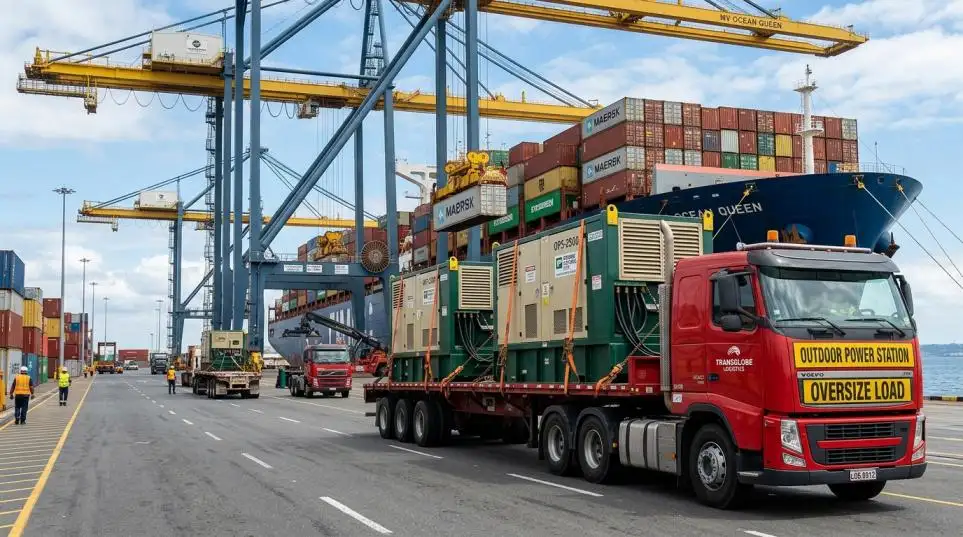
6. What Can End Consumers Do?
As a buyer of an outdoor power station, you can support low-carbon Outdoor Power Station Shipping by:
• Choosing sea/rail delivery options at checkout (even if slower).
• Buying from brands that publish shipment carbon reports.
• Reusing or recycling packaging – cardboard and foam are often curbside recyclable; battery foam inserts can be returned to some brands.
• Extending product life – the greenest shipment is the one you never replace. Use and maintain your power station for 5+ years.
Conclusion
Outdoor Power Station Shipping does not have to come at the climate’s expense. By understanding emission sources, shifting from air to sea or rail, consolidating cargo, and using certified offsets for unavoidable trips, both sellers and buyers can achieve carbon-neutral delivery without compromising safety or reliability. Regulations are tightening, consumer expectations are rising, and logistics technology is improving. The question is no longer “Can we afford green shipping?” but “Can we afford to ignore it?”
Make your next Outdoor Power Station Shipping choice a low-carbon one – for the trails you love and the planet that holds them.
FAQ – Outdoor Power Station Shipping
Q1: What is the most carbon-efficient way to ship an outdoor power station?
A: Shipping by slow ocean freight is generally the lowest-emission option, producing roughly 1/50th the CO₂ of air transport.
Q2: Can you have eco-friendly quicker deliveries?
A: There are carbon neutral shipments which use biofuels and shipments which have routed optimization.
Q3: How does packaging affect shipping emissions?
A: Choosing recycled packaging that is lightweight and smaller in size helps reduce transportation CO2 emissions.
Q4: How many consumers are willing to pay for shipping that is carbon neutral?
A: About 72% of the surveyed outdoor enthusiasts would pay 5% more for carbon-neutral shipping.
Q5: What is low carbon logistics and carbon credit fulfillment shipping batteries?
A: This is the shipping of batteries while completely offsetting through biofuels and carbon logistics with purchased carbon credits.


