


Cross Border Fulfillment Services | 2026 Global Strategy
Ever felt like you finally mastered the rules of global trade, only for the world to flip the script? If you’re shipping products in March 2026, that’s exactly what just happened. Between the bombshell Section 301 investigations launched last week and the strict new battery safety mandates, the old “ship and pray” model is officially dead.
Finding reliable cross border fulfillment services isn’t just about picking a warehouse anymore; it’s about finding a partner who can navigate a regulatory minefield without exploding your margins. Whether you’re moving disposable medical supplies or high-tech electronics, the friction at the border has never been higher. Let’s break down how to build a resilient fulfillment strategy that actually survives 2026.
Navigating the 2026 regulatory trap: Section 301 and HR 7979
If you haven’t heard the news, the US Trade Representative (USTR) just dropped a massive trade bombshell on March 11, 2026. They’ve self-initiated investigations into 16 major economies—including China, the EU, Vietnam, and Mexico—targeting “manufacturing overcapacity”. For e-commerce sellers, this means the era of predictable landed costs is over.

The end of “invisible” de minimis entries
The biggest change for e-commerce is the passing of HR 7979, the End China’s De Minimis Abuse Act. For years, millions of packages under $800 entered the US duty-free. As of 2026, that privilege is gone for any good subject to Section 301 tariffs. Furthermore, every single de minimis entry now requires a 10-digit HTS classification.
If your logistics provider isn’t ready for this, your shipments will sit in a customs warehouse racking up $5,000 fines for the first violation. This is why optimizing your cross-border logistics in North America is now a survival requirement, not a luxury. You need a fulfillment partner who can audit your HTS codes at the SKU level before they ever leave the origin.
Why “China-Plus-One” isn’t a silver bullet
Many brands shifted production to Vietnam or Malaysia to avoid tariffs. However, the new Section 301 probes explicitly target those “alternate” lanes to see if they’re just hubs for Chinese overcapacity. Consequently, you can’t just move your factory and assume you’re safe. You need a deep-tier supplier map and a provider that manages cross-border logistics services from China with a focus on origin verification.
The battery fulfillment specialist: Mastering the 30% SoC mandate
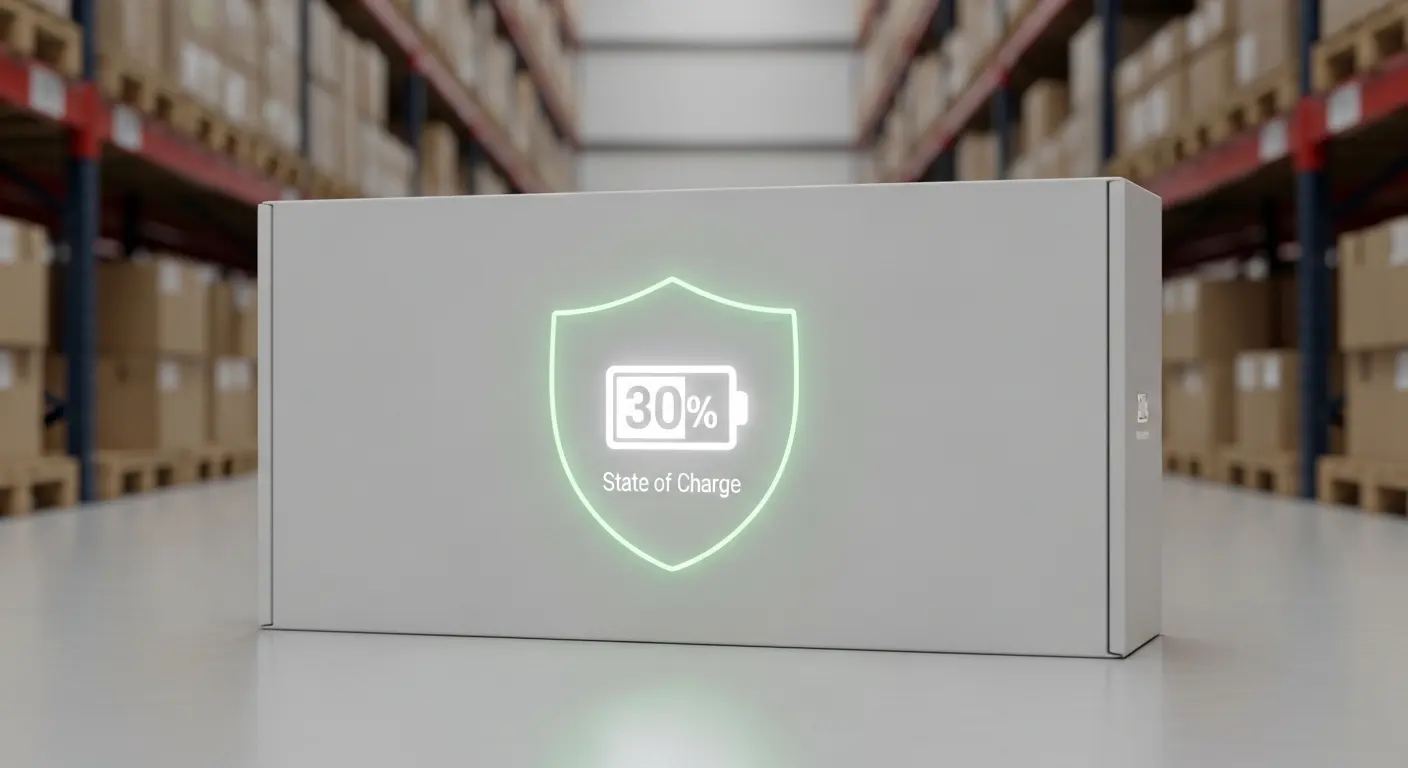
If your products contain lithium batteries—like digital blood pressure monitors or portable power tools—your fulfillment process just got much more complicated. As of January 1, 2026, the 30% State of Charge (SoC) limit is no longer just a “best practice” for standalone batteries.
Why 2026 changed the rules for air freight
Previously, batteries packed with equipment (UN 3481) could often fly at higher charge levels. Effective this year, IATA mandates that these must also be offered for transport at an SoC not exceeding 30% of their rated capacity. This is a structural risk mitigation strategy to prevent thermal runaway in the sky.
If your factory is shipping devices at 100% charge, the airline will reject your cargo at the terminal. Consequently, a top-tier cross border fulfillment services provider must now offer pre-shipment charge verification. At Fexbuy, we ensure your cross-border freight forwarding from China includes a documented check of battery levels, preventing expensive rejections and safety violations.
Mastering the new “Battery Mark”
Labeling has also evolved. The old “Lithium Battery Mark” has been renamed to the simpler “Battery Mark” to include both lithium and sodium-ion technologies. Your fulfillment center must ensure that the correct UN numbers are clearly displayed on every box. One small labeling error can lead to a “Cargo Aircraft Only” (CAO) shipment being mistakenly loaded onto a passenger plane, resulting in massive federal fines.
Global warehousing excellence: From Shenzhen to Nairobi
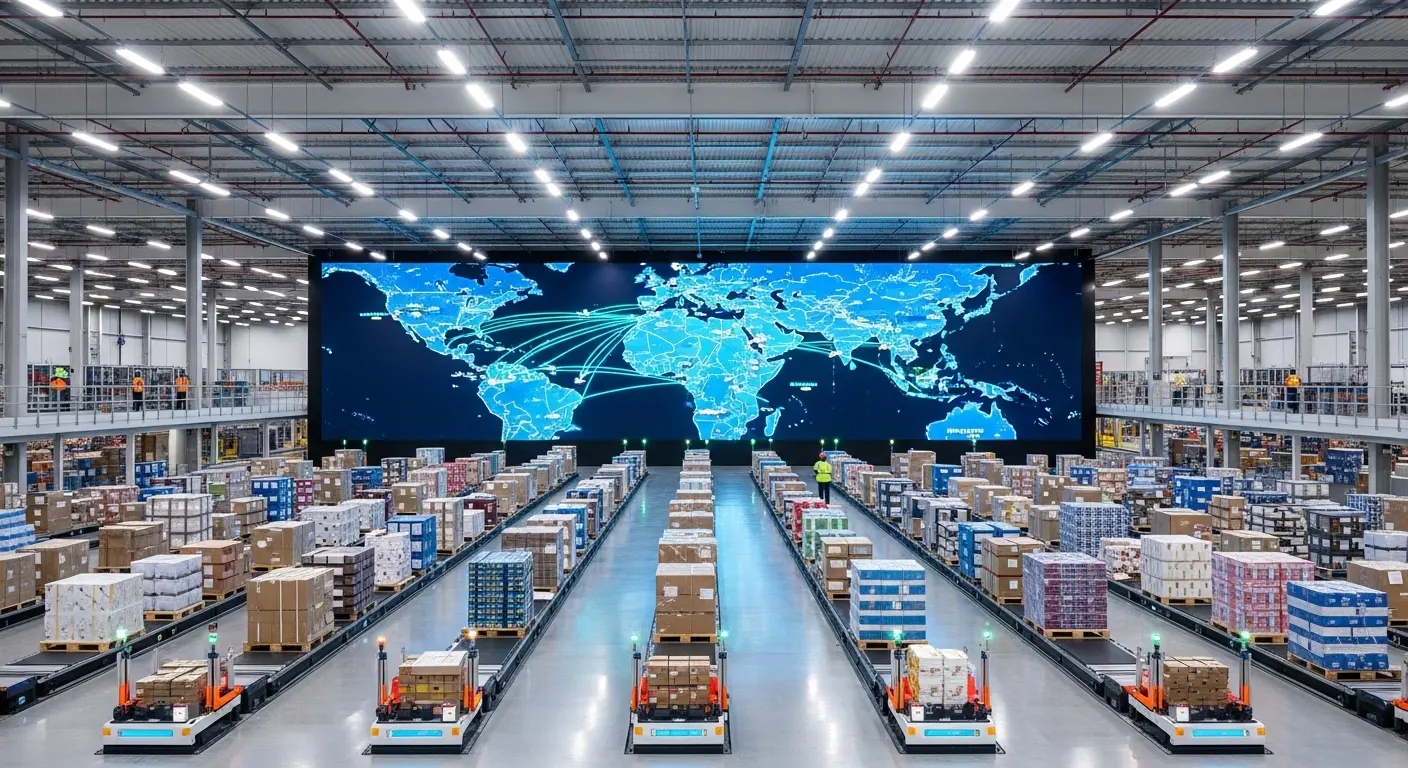
In 2026, the most successful brands aren’t shipping everything from one central hub. They are utilizing “Strategic Inventory Placement” to stay ahead of port strikes and tariff spikes.
The Africa frontier: 2026’s fastest-growing corridor
While everyone is focused on the US, the real growth is happening in Sub-Saharan Africa. The African Continental Free Trade Area (AfCFTA) is finally gaining traction, making it easier to move goods between 54 nations. However, local infrastructure still requires a “human touch.”
When you use specialized Africa logistics services, you gain access to local PVOC (Pre-Export Verification of Conformity) expertise. We help you navigate the unique customs hurdles in places like Lagos or Nairobi, ensuring your medical consumables reach clinics without getting bogged down in red tape.
The “Origin-Direct” advantage
Having a fulfillment hub at the source—typically Shenzhen or Ningbo—is your greatest hedge against volatility. By using an integrated global cross-border logistics plan, you can consolidate orders at the factory gate. This allows you to perform final quality checks on items like surgical masks or electronics before they enter the international shipping stream.
Tech and AI orchestration: The 2026 “Control Tower”
Modern cross border fulfillment services are now built on AI-driven “Control Towers.” You shouldn’t be calling your broker to find out where your ship is; your dashboard should be telling you where the ship will be two weeks from now.
Predictive analytics for inventory replenishment
AI now predicts port congestion before it happens. If a strike is brewing in the Port of Long Beach, our system automatically suggests rerouting your cargo through the Gulf Coast. Furthermore, AI handles the heavy lifting of 2026 compliance by automatically updating duty logic when the USTR changes Section 301 rates.
Seamless omnichannel syncing
Whether you’re selling on Shopify, Amazon, or TikTok Shop, your inventory must be a single “source of truth.” A great fulfillment partner syncs your stock levels across all platforms in real-time. Consequently, you never sell a product that’s currently stuck in a customs audit. This level of visibility is what separates the winners from the losers in the high-stakes world of 2026 e-commerce.
FAQ: Navigating the 2026 fulfillment maze
What are the new penalties for de minimis violations in 2026?
Under HR 7979, the penalty for abusing de minimis is no longer just losing the shipment. It is now a civil penalty of $5,000 for the first violation and $10,000 for each subsequent offense. This makes accurate HTS classification absolutely vital.
Can I still ship lithium batteries at 100% charge if they are inside a device?
Generally, no. As of January 1, 2026, IATA mandates that batteries packed with equipment (UN 3481) must be at ≤ 30% State of Charge for air transport. Shipping at 100% is a major safety violation and will lead to your shipment being rejected at the airport.
How does Section 301 impact my landed cost in 2026?
The new USTR investigations could lead to additional tariffs—sometimes as high as 25%—on products from 16 targeted economies. This is on top of standard duties. You should model “stacking scenarios” for your best-sellers to see where your margins might break.
Why is everyone talking about “forced labor” investigations this month?
On March 12, 2026, the USTR launched a massive investigation into 60 economies regarding forced labor practices. This means customs agents will be looking for multi-tier supplier mapping and country-of-origin documentation for every shipment.
What is the difference between DDP and DAP in fulfillment?
DDP (Delivered Duty Paid) means the fulfillment provider handles all taxes and duties upfront. For e-commerce, this is usually better because the customer doesn’t get a surprise bill at their door. DAP (Delivered at Place) leaves the tax responsibility to the buyer, which can cause delays and refusals in the 2026 high-tariff environment.
Stop guessing and start scaling
The global trade landscape of March 2026 is faster and more complex than ever. Whether you’re dealing with the new Section 301 probes or the latest IATA battery mandates, you can’t afford a “generalist” logistics partner. You need a specialist who understands the tech, the law, and the physical reality of the border.
At Fexbuy, we don’t just ship boxes; we protect your margins. We provide the AI-driven visibility and deep regulatory expertise you need to stay compliant and profitable in 2026.


