


The Ultimate Guide to China to USA Logistics Services: Shipping Methods, Costs, and Expert Strategies
China to USA logistics services represent the most critical trade lane in the modern global economy, connecting massive manufacturing hubs to the world’s largest consumer market. Navigating this complex corridor requires a deep understanding of shipping modes, customs regulations, and local distribution networks. Whether you are a small e-commerce seller or a large-scale distributor, mastering these logistics is essential for maintaining a competitive edge and ensuring timely delivery to your American customers.
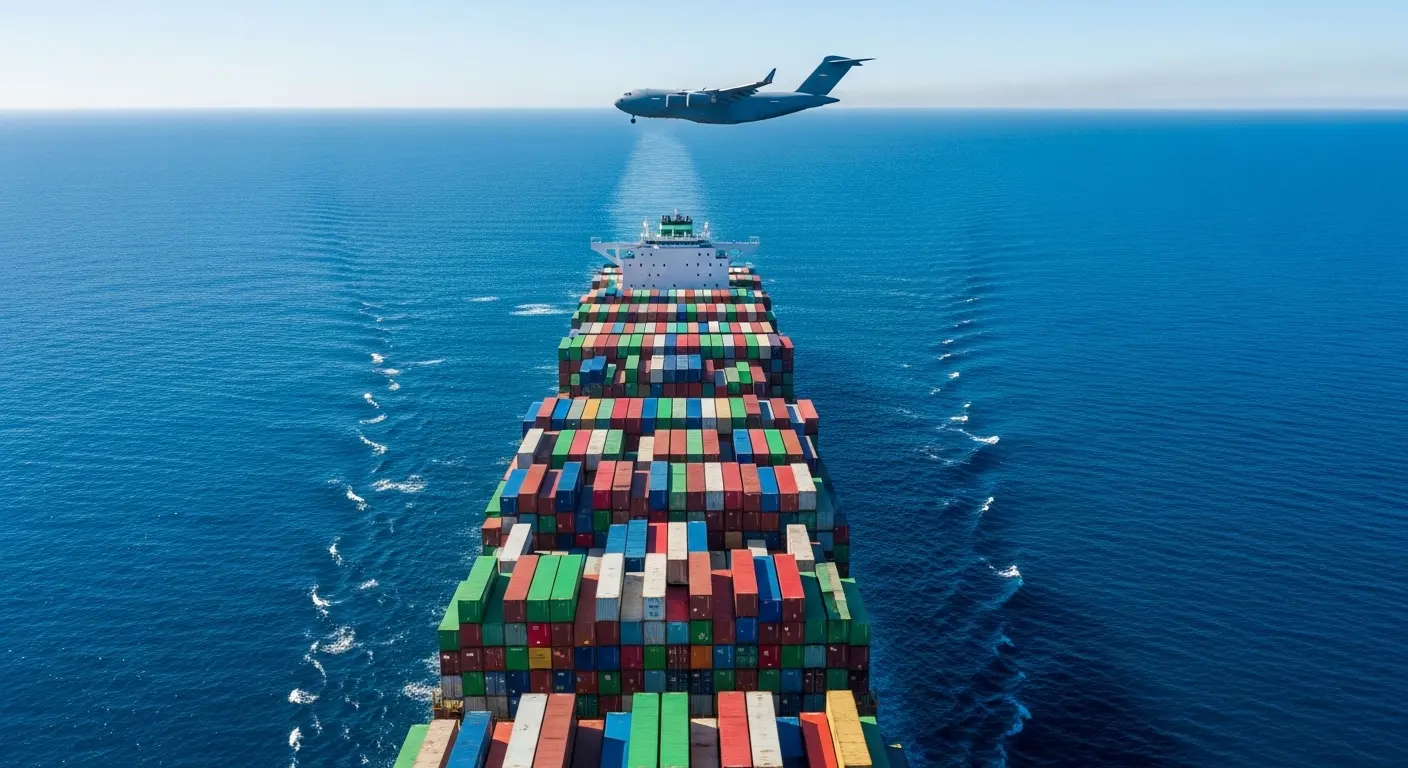
What are the primary China to USA logistics services available for businesses?
The primary China to USA logistics services include ocean freight (FCL and LCL), air freight (standard and express), and specialized rail-to-sea intermodal solutions. Businesses choose these services based on their budget, cargo volume, and urgency. For maximum flexibility, many companies now opt for customized global logistics services that tailor routes and handling to specific supply chain requirements.
Selecting the right service depends on several variables. Ocean freight remains the most cost-effective method for large volumes. You can choose Full Container Load (FCL) if you have enough goods to fill a 20ft or 40ft container, or Less than Container Load (LCL) if you are sharing space with other shippers. On the other hand, air freight is the gold standard for speed, typically cutting transit times from weeks to days.
For those managing complex inventories, cross-border freight forwarding from China provides an end-to-end solution. These forwarders handle the heavy lifting, including pickup, consolidation, and documentation. This is particularly useful for businesses that need to move goods through various international hubs before they reach the final destination in the United States.
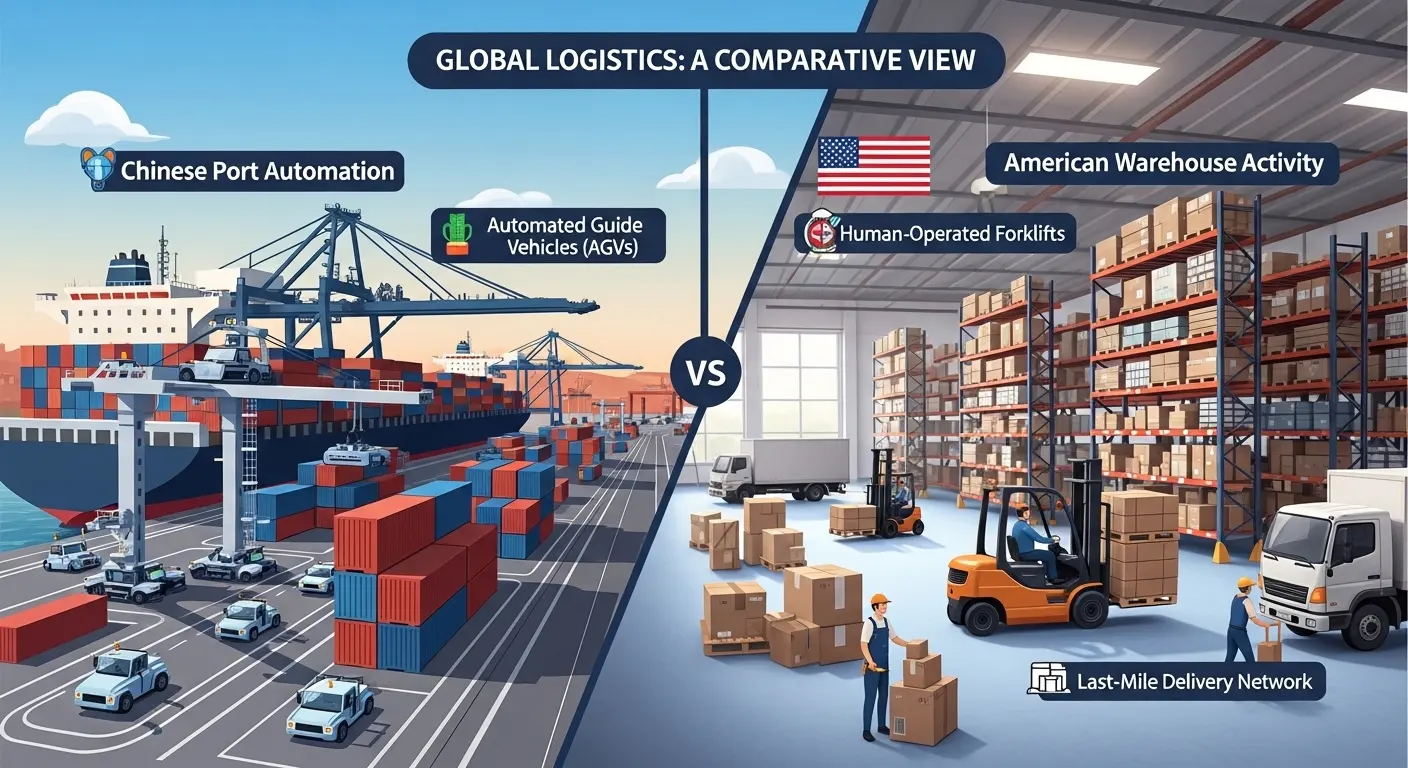
How do you choose between air freight and sea freight for US imports?
Choosing between air and sea freight involves balancing the “Golden Triangle” of logistics: speed, cost, and reliability. Air freight is best for high-value, perishable, or urgent items, while sea freight is the default choice for bulky, heavy, or non-urgent inventory. Most businesses utilize a hybrid approach to maintain stock levels while keeping overall shipping expenditures manageable.
| Feature | Air Freight | Sea Freight (Ocean) |
| Transit Time | 3 – 8 Days | 15 – 40 Days |
| Average Cost | High ($5 – $12 per kg) | Low ($0.50 – $2 per kg) |
| Reliability | High (frequent flights) | Moderate (weather/port delays) |
| Carbon Footprint | High | Low |
| Best For | Electronics, Fashion, Samples | Furniture, Machinery, Bulk Stock |
Pro Tip: If your shipment is over 500kg, sea freight is almost always more economical. However, for shipments under 100kg, the price gap between air and sea narrows significantly due to fixed port fees.
What are the key steps in cross-border freight forwarding from China to the USA?
The key steps in cross-border freight forwarding from China to the USA include factory pickup, export customs clearance, international transit, and US import processing. A professional forwarder manages these stages to ensure the cargo meets all regulatory standards. Utilizing a robust global cross-border logistics framework ensures that your goods are tracked and protected throughout this multi-stage journey.
- Sourcing and Consolidation: Goods are collected from various suppliers across China and brought to a central warehouse.
- Export Clearance: The forwarder submits the necessary Chinese export documents to authorities.
- Loading and Transit: Cargo is loaded onto a plane or ship for the trans-Pacific journey.
- Arrival and De-consolidation: Once in the US, LCL shipments are separated for final delivery.
- Import Customs: The most critical step where duties and taxes are paid to US Customs and Border Protection (CBP).
- Last-Mile Delivery: Goods are transported via truck or courier to the final warehouse or customer doorstep.
How can businesses optimize their cross-border logistics in North America?
Optimizing cross-border logistics in North America involves selecting the right entry ports and leveraging bonded warehousing to defer duties. By choosing West Coast ports like Los Angeles or Long Beach, shippers can reduce ocean transit time. Furthermore, integrating advanced tracking software allows for real-time visibility, which is essential for managing customer expectations and inventory turnover.
Efficient logistics in the US also requires a strategy for the “Inland Move.” Once a container hits the dock, it must be moved by rail or truck. Many savvy importers use “transloading,” where goods are moved from shipping containers into domestic trailers. This process often saves money on demurrage fees and speeds up the delivery to fulfillment centers located in the Midwest or East Coast.
What is the role of customs clearance in China to USA logistics?
Customs clearance is the legal process of declaring imported goods to the government to ensure safety and collect revenue. It requires precise documentation, including the Commercial Invoice, Packing List, and Bill of Lading. Errors in Harmonized System (HS) codes or undervalued declarations can lead to significant fines, seizures, or long delays at the US border.
To avoid these pitfalls, many companies work with licensed customs brokers. These experts understand the specific requirements for different product categories. For instance, electronics might require FCC compliance, while toys need CPSC certifications. Having your paperwork in order before the ship leaves China is the best way to ensure a “wheels-up” or “pre-clearance” status, which allows goods to move immediately upon arrival.
Why should you consider a diversified logistics strategy including Africa and other regions?
While the China-USA route is dominant, a diversified strategy that includes Africa logistics services or other emerging markets can mitigate risks like trade wars or regional port congestion. Diversification ensures that a supply chain disruption in one part of the world doesn’t completely halt your operations. This “China Plus One” strategy is becoming a standard for resilient global businesses.
Exploring routes through different continents can also open up new sourcing opportunities. As manufacturing costs rise in traditional hubs, moving portions of your supply chain to emerging regions allows for better cost averaging. It also provides a safety net; if the Pacific routes are backlogged, having established relationships in other corridors ensures your business remains operational.
What are the hidden costs of China to USA shipping?
Hidden costs often include terminal handling charges (THC), documentation fees, customs bond premiums, and unplanned storage fees known as demurrage. Additionally, fluctuating fuel surcharges and seasonal “Peak Season Surcharges” (PSS) can impact your bottom line. Budgeting for an additional 10% to 15% above the initial freight quote is a wise practice for most importers.
- Demurrage: Fees charged for leaving containers at the port too long.
- Detention: Fees for keeping the container outside the port beyond the agreed time.
- Exam Fees: If US Customs selects your container for a random X-ray or physical inspection, you must pay the exam site fees.
- Delivery Surcharges: Extra costs for residential deliveries or locations requiring a liftgate.
How does the choice of Incoterms affect your logistics costs?
Incoterms (International Commercial Terms) define the responsibilities of the buyer and seller regarding delivery, insurance, and risk. For China to USA logistics, the most common terms are FOB (Free on Board), EXW (Ex Works), and DDP (Delivered Duty Paid). Choosing the right term can save you thousands of dollars by giving you more control over the shipping process and associated costs.
| Incoterm | Who Pays Freight? | Who Handles Customs? | Risk Transfer Point |
| EXW | Buyer | Buyer | Supplier’s Factory |
| FOB | Buyer | Seller (Export) / Buyer (Import) | Loaded on Vessel |
| CIF | Seller | Seller (Export) / Buyer (Import) | Arrival at Destination Port |
| DDP | Seller | Seller | Buyer’s Warehouse |
Pro Tip: For most US importers, FOB is the best balance. It allows the supplier to handle Chinese local logistics while giving the buyer control over the international freight rates and the choice of the US customs broker.
What is the future of China to USA logistics services in 2026?
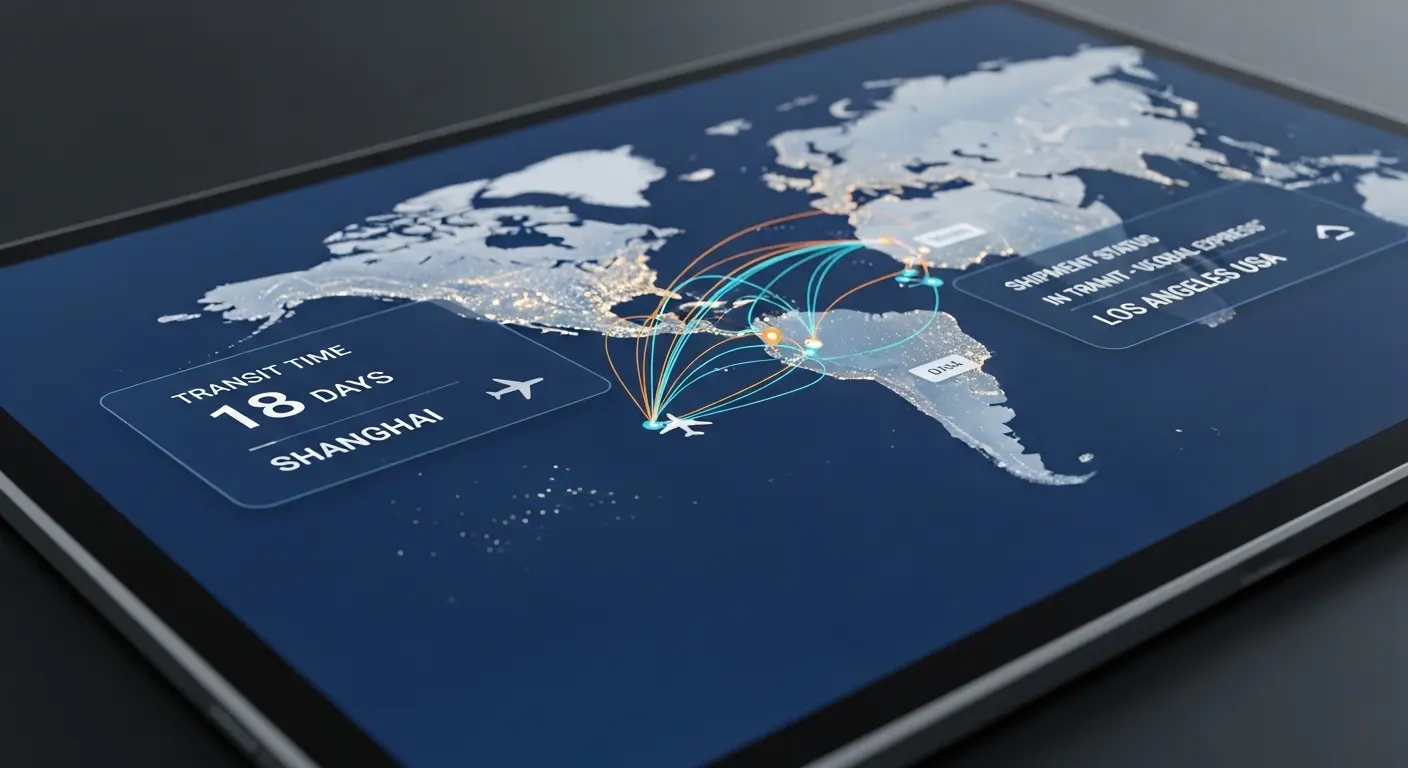
The future of China to USA logistics services is defined by “Green Logistics” and AI-driven predictive analytics. By 2026, we expect to see a massive shift toward sustainable aviation fuel (SAF) and electric drayage trucks at ports. Furthermore, AI will predict port congestion before it happens, allowing forwarders to reroute cargo autonomously to faster, less crowded gateways.
Blockchain technology is also set to revolutionize documentation. Digitizing the Bill of Lading will reduce the time spent on manual paperwork and virtually eliminate the risk of document loss. As these technologies mature, the trans-Pacific route will become more transparent, faster, and more environmentally friendly, benefiting both the planet and the profit margins of international traders.
How do you choose the right logistics partner for your business?
Choosing the right partner involves auditing their network, their technology stack, and their communication style. A good partner should offer a mix of standard and customized global logistics services to grow with your business. Look for providers who have physical offices in both China and the US, as this ensures they can handle issues in real-time across both time zones.
Check for certifications like NVOCC (Non-Vessel Operating Common Carrier) and look at their track record with US Customs. A partner that provides an integrated dashboard for tracking and billing will save your team hours of administrative work. Ultimately, the best logistics service is one that acts as an extension of your company, proactively solving problems before they impact your customers.
What is the final takeaway for mastering China to USA logistics services?
Mastering China to USA logistics services requires a precise balance of speed, cost-efficiency, and regulatory compliance. Professional forwarders help you navigate complex shipping regulations seamlessly. Diversifying your routes and entry ports creates a more resilient supply chain. These comprehensive strategies turn logistics into a major competitive advantage for your brand.
The trans-Pacific trade lane remains volatile. Success depends on your ability to remain agile. Use cross-border logistics in North America to streamline your domestic operations. This ensures your products reach American customers without unnecessary delay.
Also consider exploring Africa logistics services for better risk management. Diversification protects your business from regional trade disruptions. Modern logistics relies on data and foresight. Partner with experts offering customized global logistics services. This ensures your supply chain withstands any future disruptions. A strong strategy builds long-term customer trust and market stability.


