


China to Europe Logistics Services: Air, Sea, Rail & DDP Shipping [2026 Guide]
A factory in Shenzhen finishes production. A buyer in Rotterdam needs the goods in six weeks. The real question hits fast: which shipping option gets the cargo there on time, without blowing the budget — and without customs nightmares at the other end?
China to Europe logistics services cover far more than a simple choice between air and sea. The right decision depends on matching the correct transport mode, the correct Incoterm, and the correct freight partner to the cargo type, timeline, and destination country. A wrong match leads to port delays, customs holds, damaged goods — and a broken business relationship.
This guide breaks down every shipping option, every cost range, and every key decision point for China-to-Europe freight in 2026. From e-commerce sellers sending stock to Amazon FBA warehouses in Germany, to manufacturers moving 40ft containers into Hamburg — every scenario is covered with clear, actionable answers.
What Are Your China to Europe Logistics Services Options?
There are four main ways to move cargo from China to Europe. Each one fits a different scenario. Here’s the honest breakdown:
| Mode | Transit Time | Best For | Cost Range |
|---|---|---|---|
| Sea Freight (FCL) | 25–40 days | Large, heavy cargo | $1,500–$4,500/container |
| Sea Freight (LCL) | 30–50 days | Small loads (<10 CBM) | $50–$100/CBM |
| Air Freight | 5–8 days | Urgent, high-value cargo | $4–$8/kg |
| Rail Freight | 15–25 days | Mid-size, cost-balanced | $7,000–$10,000/container |
| Express Courier | 1–3 days | Small parcels (<30kg) | $10–$15/kg |
The right choice depends on three things: your cargo volume, your deadline, and your landed cost budget. Let’s go deeper on each.
Sea Freight from China to Europe
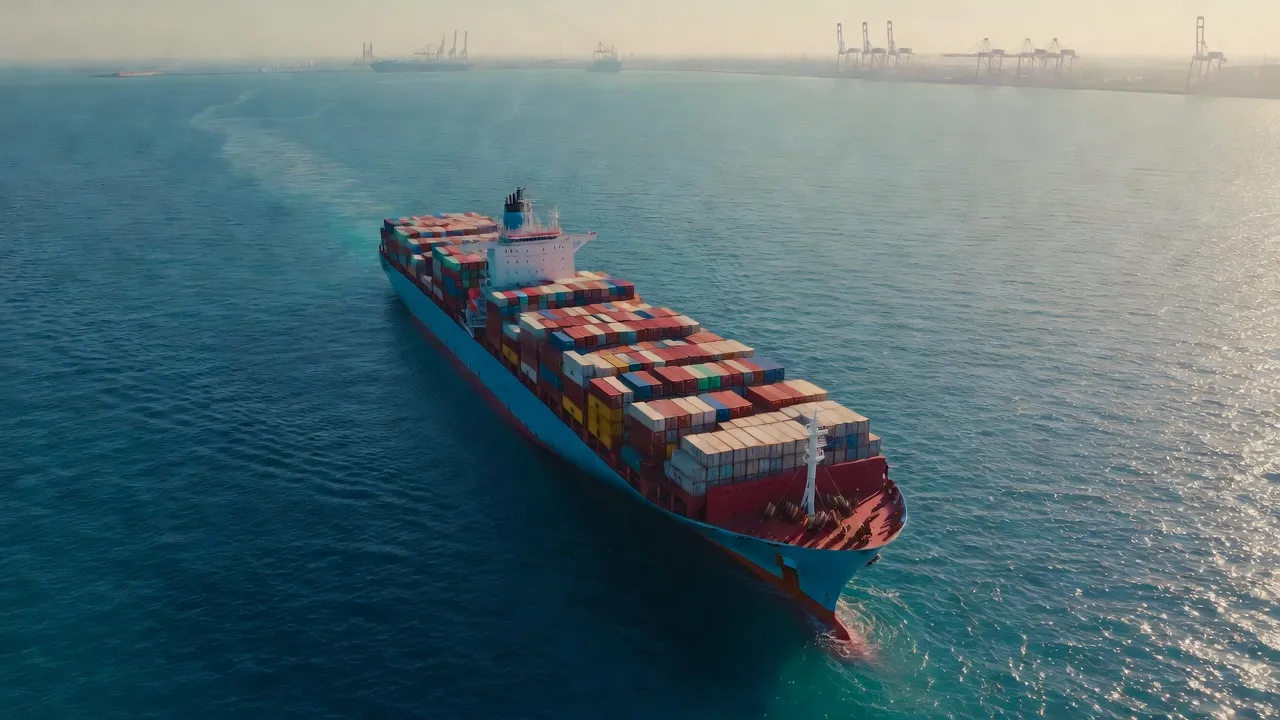
Sea freight is the backbone of China-Europe trade. It’s the most cost-effective option when you’re shipping anything above a few hundred kilograms.
FCL vs. LCL — Which One Is Right for You?
FCL (Full Container Load) means you rent an entire container — 20ft or 40ft. It’s the right call when your cargo fills at least 15 CBM. You get faster clearance, lower damage risk, and better cost per unit.
LCL (Less than Container Load) means your cargo shares a container with other shippers. It’s ideal for smaller loads under 10–12 CBM. The downside? Slightly longer transit because of consolidation time at origin and deconsolidation at destination.
A good rule of thumb: if your shipment hits 12 CBM or more, FCL almost always works out cheaper per unit.
Key Port Routes
From China: Shanghai, Shenzhen, Ningbo, Guangzhou, Qingdao, Tianjin
To Europe: Rotterdam (Netherlands), Hamburg (Germany), Antwerp (Belgium), Felixstowe (UK), Le Havre (France), Valencia (Spain)
The Shanghai–Rotterdam lane is the most frequented route. Typical transit runs 27–32 days on direct services, 35–45 days with transshipment stops.
What Does Sea Freight Actually Cost?
Rates shift with demand, fuel surcharges, and seasonal peaks. Here are realistic estimates for 2026:
- 20ft FCL: $1,500–$3,000
- 40ft FCL: $2,500–$4,500
- LCL: $50–$100 per CBM
These numbers don’t include port handling, origin charges, or destination customs fees. So always ask for an all-in landed cost quote — never just a freight rate.
Air Freight from China to Europe
When speed matters more than cost, air freight is your answer. It’s also the only practical option for small, high-value cargo like electronics, luxury goods, or time-sensitive samples.
Standard Air vs. Express — What’s the Difference?
Standard air freight runs 5–8 days from major Chinese airports (Shanghai Pudong, Shenzhen Baoan, Beijing Capital) to European hubs like Frankfurt, Amsterdam Schiphol, or Paris CDG. It costs roughly $4–$8 per kilogram.
Express courier (think DHL Express, FedEx, UPS) delivers in 1–3 days door-to-door. It’s quicker, but costs $10–$15/kg — and surcharges add up fast on anything over 30kg. For shipments above 200kg, standard air freight almost always wins on cost.
Lithium Batteries and DG Cargo by Air
This is where most freight forwarders quietly say no. Lithium batteries, power banks, e-bike components, and other dangerous goods (DG) require IATA-compliant handling, specific packaging certifications (UN38.3), and approved airline routing.
Fexbuy is DG-certified and handles lithium battery air shipments to Europe regularly. If your Chinese supplier makes anything battery-powered — and can’t find a forwarder willing to take it — contact Fexbuy’s logistics team for a DG-specific quote. This is one of the most underserved niches in China-Europe air freight.
Rail Freight from China to Europe
Rail has become one of the most talked-about options in China-Europe logistics — and for good reason. It sits right in the middle: faster than sea, cheaper than air.
Why Rail Is Worth Considering in 2026
Since the launch of the China-Europe Railway Express (CRE), rail freight volumes have grown substantially. Today, over 80 designated train services connect Chinese cities to 24 European countries. The route options are impressive:
- Chengdu → Duisburg, Germany: ~11,000 km, 12–15 days transit
- Yiwu → Madrid, Spain: ~13,000 km, 18–21 days transit
- Zhengzhou → Hamburg, Germany: ~10,000 km, 14–18 days transit
- Xi’an → Rotterdam, Netherlands: ~11,000 km, 14–16 days transit
Rail offers both FCL and LCL options, making it accessible even for smaller shipments. It’s particularly strong for mid-value goods where you want speed without the air freight price tag.
Rail Freight Costs
A full container on the China-Europe rail typically costs $7,000–$10,000 depending on the route, season, and cargo type. That’s considerably cheaper than air for the same volume — and 10–15 days faster than sea.
DDP & DDU: Door-to-Door Shipping from China to Europe
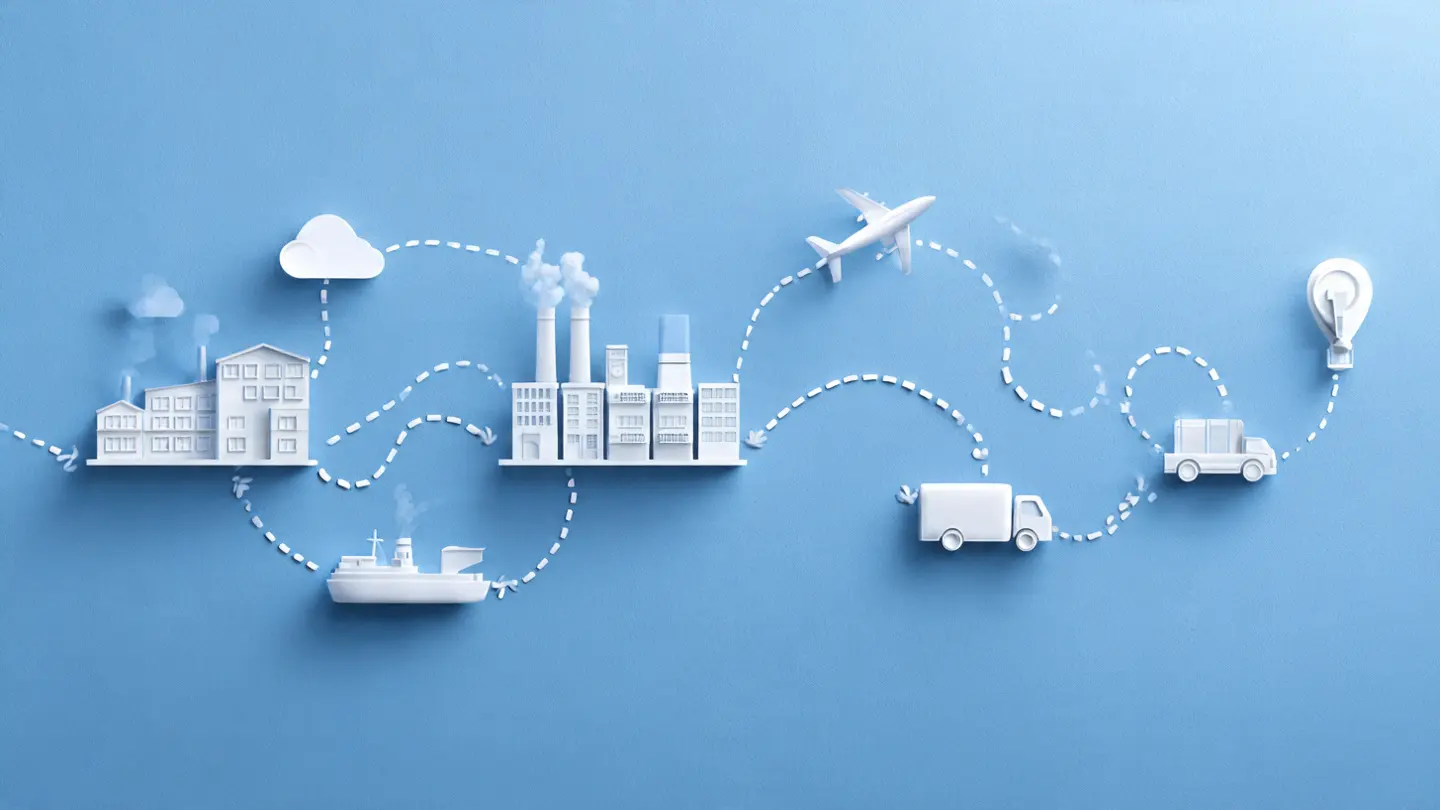
For many importers — especially e-commerce brands and Amazon sellers — DDP is the cleanest, simplest option. Here’s why.
What Does DDP Actually Mean?
DDP (Delivered Duty Paid) means Fexbuy handles everything: factory pickup in China, export customs, international freight, EU import customs clearance, duty payment, and final delivery to your warehouse or fulfillment center. You get one quote, one invoice, one point of contact.
DDU (Delivered Duty Unpaid) is similar, except you handle import duties and VAT at the destination. It works well if you already have an EU customs broker or want more control over the import process.
For most small and mid-size importers, DDP is the smarter choice. It removes risk, simplifies accounting, and eliminates surprises at the port.
VAT and Import Duty: What You Need to Know
EU import duties vary by product category and HS code — typically ranging from 0% to 12% for most manufactured goods. VAT on imports (typically 19–25% depending on the destination country) is charged at entry.
The good news: Fexbuy offers VAT deferment options in select EU markets, which means you don’t pay VAT upfront at the port. Instead, it’s deferred to your periodic VAT return — protecting your cash flow significantly on large shipments.
Amazon FBA Shipping: China to EU Fulfillment Centers
If you’re selling on Amazon Europe, getting your goods from a Chinese factory to an Amazon warehouse is a multi-step process. It’s easy to make expensive mistakes. Our dedicated guide on FBA shipping from China covers this in full detail, but here’s the core flow.
The End-to-End FBA Process
- Supplier produces goods at factory in China
- Fexbuy picks up from factory — no need to move goods to a third-party consolidator first
- FBA prep at Fexbuy’s warehouse: labeling, FNSKU barcodes, carton marking, packaging compliance
- Mode selection: Sea LCL or FCL for large stock replenishments, air freight for urgent launches or fast-selling SKUs
- EU customs clearance: Fexbuy handles all import documentation and duty payment (under DDP)
- Final delivery to Amazon FBA center in Germany, France, Spain, Italy, Poland, or the Netherlands
Which Shipping Mode Works Best for FBA?
- Sea LCL or FCL: Best for planned inventory restocks where you have 4–6 weeks of lead time
- Air freight: Use for new product launches or when stock runs critically low
- Rail: A strong middle-ground — good for regular replenishment without sea’s long lead time
One critical point: Amazon’s FBA receiving requirements are strict. Carton dimensions, weight limits, labeling standards, and pallet specifications all need to match Amazon’s guidelines exactly — or your shipment gets rejected. Fexbuy’s FBA prep team handles all of this at origin, before the goods ever leave China.
Lithium Battery & Dangerous Goods Shipping to Europe
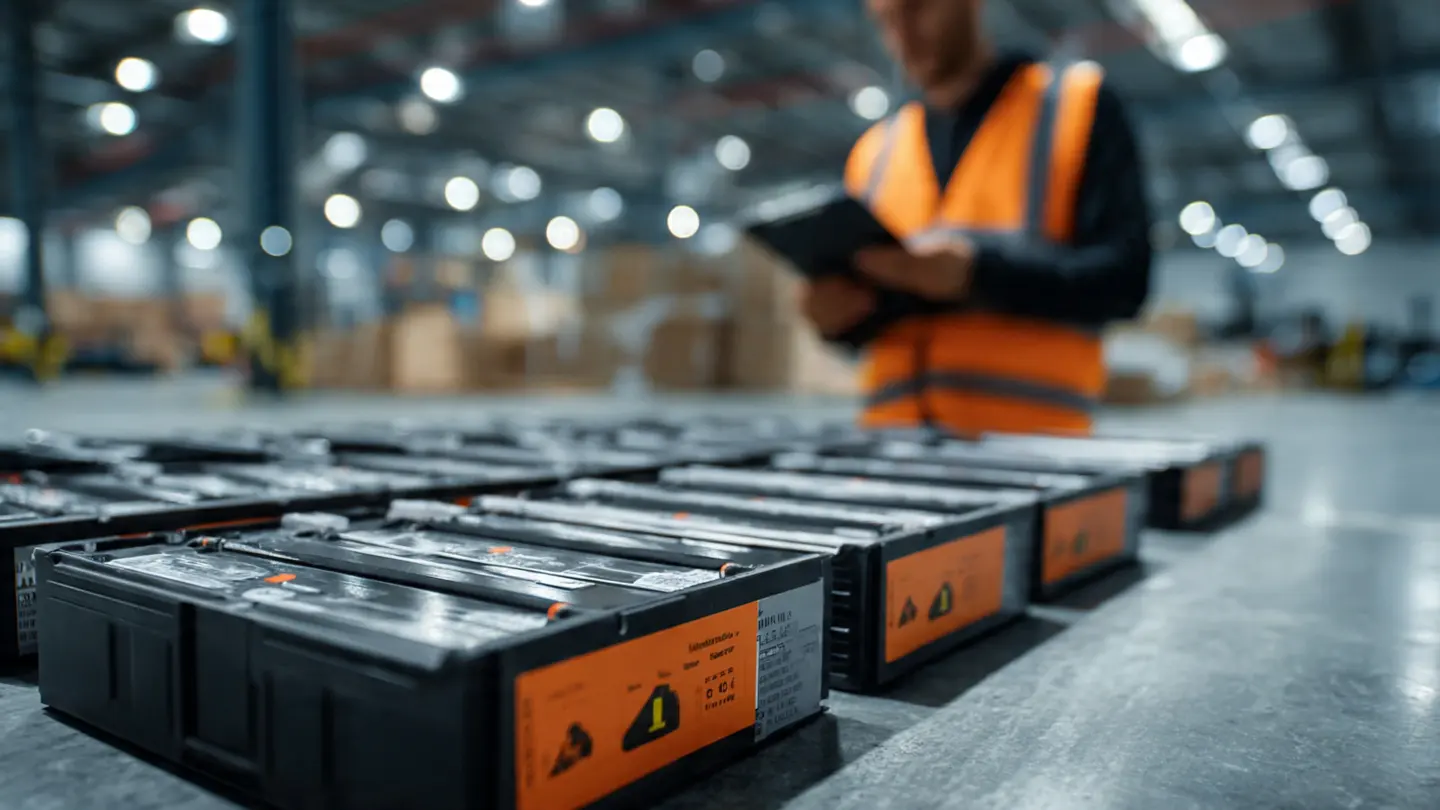
Most logistics guides skip this topic. Most freight forwarders avoid it. But if your cargo includes lithium batteries, chemicals, aerosols, magnetic items, or other regulated materials, you can’t use a standard shipping solution.
Why DG Cargo Is a Separate Category
Dangerous goods (DG) shipping is governed by three separate regulatory frameworks:
- IATA DGR — for air freight
- IMDG Code — for sea freight
- RID — for rail transport within/to Europe
Each framework has its own packaging standards, labeling requirements, and documentation rules. Non-compliance leads to shipment rejection at the origin airport or seaport — sometimes cargo seizure, sometimes fines.
What Fexbuy Can Ship That Others Won’t
Fexbuy’s DG-certified team regularly handles:
- Lithium-ion and lithium-metal batteries (UN3480, UN3481, UN3090, UN3091)
- Power banks and battery-powered devices including e-bikes, scooters, and consumer electronics
- Adhesives, coatings, and paint products with flammable classifications
- Magnetized materials and certain industrial equipment
The required documentation includes an MSDS (Material Safety Data Sheet), UN38.3 test report for batteries, and manufacturer declaration. Fexbuy helps you prepare all of this. If your current forwarder has told you they can’t ship your product to Europe — there’s a good chance Fexbuy can.
EU Customs Clearance: What Every Importer Needs to Know
Customs holds are one of the biggest causes of delay on the China-Europe lane. The good news is that most problems are entirely preventable with the right documentation.
Documents You’ll Need
Every China-Europe shipment requires at minimum:
- Commercial Invoice — must include accurate HS codes, declared value, and buyer/seller details
- Packing List — itemized breakdown of contents, carton dimensions, and gross weight
- Bill of Lading (Sea) / Airway Bill (Air) / CIM Consignment Note (Rail)
- Certificate of Origin — required for preferential duty rates under EU trade agreements
For regulated goods, you may also need CE certification, phytosanitary certificates, or product-specific compliance documentation.
Incoterms Explained Simply
Incoterms define who pays for what — and who bears the risk at each stage of transit. Here’s what matters most:
- FOB (Free on Board): Supplier delivers to the named port in China. You take risk from that point. You arrange and pay for the main freight.
- CIF (Cost, Insurance, Freight): Supplier arranges freight to the destination port. You take risk once it arrives at the European port.
- DDP (Delivered Duty Paid): Fexbuy handles everything end-to-end. Full risk transfer at your door.
For most importers buying from Chinese suppliers, FOB is the recommended baseline — it gives you control over freight selection while keeping your supplier’s responsibility clear.
Post-Brexit UK Shipping Note
Since Brexit, the UK operates entirely separate from EU customs. Goods moving from China to the UK require UK import declarations, a UK EORI number, and UK VAT registration. This is separate from any EU route and can’t be combined with an EU customs entry. If you ship to both markets, Fexbuy can manage both streams under your global cross-border logistics setup.
How Fexbuy Handles Factory Pickup Across China
Here’s something most freight forwarders don’t offer — and almost none advertise clearly. Fexbuy collects cargo directly from your supplier’s factory, anywhere in China.
That means you don’t need to:
- Arrange a domestic trucking company in China separately
- Move goods to a consolidation warehouse first
- Pay double-handling fees at origin
Whether your supplier is in Guangzhou, Yiwu, Dongguan, Hangzhou, or a tier-3 industrial city, Fexbuy’s domestic pickup network covers it. This is especially useful when you’re buying from multiple suppliers and need goods consolidated before the main freight departs. It’s one of the clearest advantages Fexbuy has over many online freight platforms that only accept cargo already delivered to the port.
Frequently Asked Questions
How long does shipping from China to Europe take?
It depends on the transport mode. Sea freight takes 25–50 days depending on port and routing. Air freight takes 5–8 days. Rail freight takes 14–25 days. Express courier (DHL, FedEx) delivers in 1–3 days for small parcels.
What is the cheapest way to ship from China to Europe?
Sea freight is the cheapest option, especially for large volumes. LCL sea freight runs $50–$100 per CBM, and FCL starts at $1,500 for a 20ft container. Rail is the second-cheapest for medium-sized shipments where sea is too slow.
Can I ship lithium batteries from China to Europe?
Yes — but only with a certified DG handler. Standard freight forwarders won’t accept lithium batteries because they’re classified as dangerous goods under IATA and IMDG regulations. Fexbuy is DG-certified and handles battery shipments by sea, air, and rail with full regulatory compliance.
What documents do I need for EU customs clearance?
You need a commercial invoice, packing list, bill of lading (or airway bill), and certificate of origin at minimum. Some products require CE certification, test reports, or product-specific compliance documents. Fexbuy’s customs team prepares and reviews all documentation before departure.
What is the difference between DDP and DDU shipping?
Under DDP, Fexbuy pays all import duties, taxes, and customs fees on your behalf — you get a delivered price with no surprises. Under DDU, Fexbuy handles the freight but you pay the import duties and VAT at the destination. DDP is simpler for most importers; DDU gives you more control over the duty process.
Can Fexbuy pick up cargo directly from my factory in China?
Yes. Fexbuy provides factory pickup anywhere across China. This includes consolidation from multiple suppliers before the main international freight departure — at no need for a separate domestic trucking arrangement.
How does Amazon FBA shipping from China to Europe work?
Fexbuy picks up from your Chinese supplier, handles FBA prep (labeling, carton compliance, pallet building), clears EU customs under DDP, and delivers directly to your Amazon fulfillment center in Germany, France, Spain, Italy, Poland, or the Netherlands. Read the full process in our FBA shipping from China guide.
Does Fexbuy ship to the UK as well as Europe?
Yes. The UK is treated as a separate customs territory post-Brexit. Fexbuy handles both EU and UK shipments, including UK import declarations and VAT management. If you’re scaling across multiple regions, Fexbuy’s global cross-border logistics services cover Europe, the UK, the US, Canada, and beyond.
Get a Free China to Europe Shipping Quote
Getting your goods from China to Europe doesn’t have to be complicated. Whether you’re moving a single LCL shipment, running weekly FCL consignments, or dealing with DG cargo that most forwarders won’t touch — Fexbuy has the route, the certification, and the 21-year track record to make it work.
Here’s what happens when you contact us:
- You share your cargo details — origin city, destination, weight/volume, cargo type, and timeline
- Fexbuy sends a full landed-cost quote within 24 hours — no hidden charges
- We assign a dedicated logistics coordinator for your account
- Your cargo moves — tracked end-to-end, from factory in China to door in Europe
Request your free quote today and let’s get your China-to-Europe shipments running on time and on budget.
Fexbuy also provides cross-border logistics services to North America and Africa logistics solutions for brands scaling globally.


