


What Makes International Rail Shipping Reliable for Long Distances
International Rail Shipping is quickly becoming the quiet hero of long-distance freight. It connects inland factories, warehouses, and markets across countries, using fixed rail routes instead of crowded highways or ports. For many shippers, it offers a new mix of speed, cost control, and reliability. Trains move large volumes in one go and follow regular schedules. Delays from traffic or driver shortages matter less. Emissions can also be lower than with road transport. But what really makes International Rail Shipping so reliable over thousands of kilometers? The answer is not as simple as it looks.
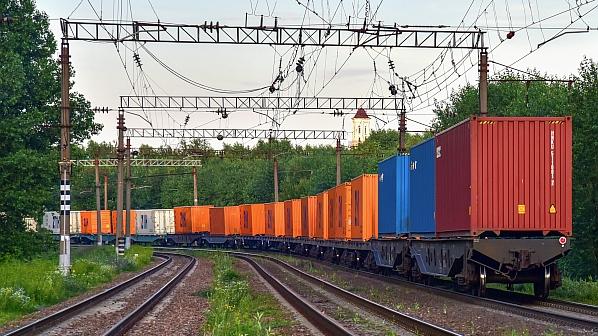
Instead of chasing the cheapest option every season, more logistics teams want something simple: a transport mode that shows up when it should, delivers what it should, and keeps costs under control. That is where International Rail Shipping starts to stand out.
Why Shippers Are Turning To International Rail Shipping
If you manage long-distance freight, you probably recognize the same pain points:
• Ports that are full for weeks
• A shrinking pool of truck drivers
• Road bans, accidents, and unpredictable traffic
• Growing pressure to cut emissions without killing your budget
All of these issues grow bigger when your cargo travels across several countries or deep into inland regions. A delay at one point can disrupt production, sales, and customer service all at once.
International Rail Shipping offers a more stable backbone for these long routes. A single train can carry a large mix of cargo types: bulk commodities, pallets, standard containers, and even out-of-gauge equipment. Because so much can move in one departure, you need fewer individual trips and less handling along the way. That often means lower cost per ton and fewer chances for something to go wrong.
Another key benefit is schedule discipline. Rail services run on fixed timetables. They are not stuck in rush hour, blocked behind accidents, or delayed by local driving rules in the same way trucks are. Over thousands of kilometers, this greater stability adds up. Inventory planners can calculate arrival windows with more confidence, instead of constantly “padding” lead times to protect against road and port disruption.
International Rail Shipping is also attractive for companies that take sustainability seriously. Rail generally produces lower emissions per ton-kilometer than road. By shifting the long “spine” of a journey to rail, shippers can reduce their footprint without paying for fast but expensive air services. For many manufacturers and retailers, this supports corporate climate goals and helps them answer tougher questions from customers and regulators.
How Fexbuy Makes Rail Work In The Real World
On paper, rail looks straightforward. In real life, crossing borders, connecting terminals, and managing documentation can be complex. Fexbuy’s job is to turn International Rail Shipping from a technical option into a practical, everyday solution for your team.
We do more than reserve space on a train. Fexbuy designs door-to-door flows around rail, making sure that first and last miles, customs steps, and terminal handling are all aligned with the rail schedule. This is what keeps the whole chain reliable, not just the main leg.
You can expect:
• High and flexible capacity for bulk cargo, pallets, and containers, reducing the number of separate truck runs
• Fixed cut-off times and regular departures, so production and warehouse teams can plan ahead
• Route and service design that balances cost, speed, and reliability for each product or lane
For some customers, we build a slightly slower but very economical rail product for non-urgent freight, alongside a faster service for time-sensitive goods. Because International Rail Shipping is predictable, it becomes easier to run this mix without losing control of the network.
- Safety, Visibility And Risk Control
On long international routes, risk is not only about transit time. It is about what happens if something goes wrong. Rail corridors are generally controlled environments with defined tracks, fenced or supervised terminals, and clear operating rules. This naturally reduces the chance of theft, damage, and accidents compared with busy highways.
Fexbuy builds on these strengths of International Rail Shipping by adding:
• Secure, audited terminals and controlled routes to limit unauthorized access
• Tracking and milestones so you know where your cargo is and what happens next
• Standard procedures at key hubs, which reduce handling errors and damage
Trains can also keep moving in weather that often slows down trucks. Heavy rain, fog, or snow may reduce speed, but they rarely shut down entire rail corridors in the way they can close roads. This resilience helps protect your supply chain from seasonal peaks and regional disruptions.
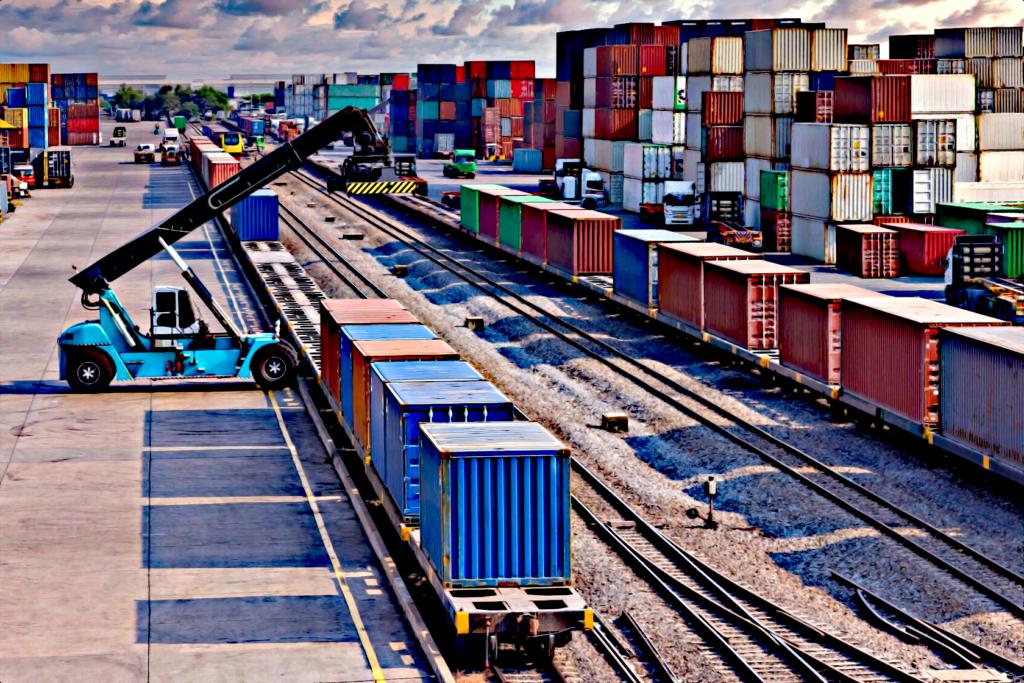
When International Rail Shipping Is The Right Tool
No single mode is perfect. International Rail Shipping will not replace every truck or every vessel. But it becomes a very strong option when distance, volume, and reliability are all critical at the same time.
Fexbuy’s customers usually see the biggest benefits when they:
• Move large, repeating volumes along the same regional or continental routes
• Suffer from port congestion, unstable ocean schedules, or frequent rollovers
• Face limited road capacity or driver shortages on key corridors
• Need to reduce emissions without switching to expensive express modes
• Want a middle ground between sea and air in both speed and cost
In many projects, the most effective setup is not “rail only”, but a smart combination. Rail takes over the long-distance spine, while trucks handle the flexible first and last miles. Fexbuy designs these multimodal chains so you still work with one partner, one plan, and one clear set of KPIs.
Our team starts by mapping your current flows and looking for the lanes where International Rail Shipping would make the biggest impact. That might be a heavy export corridor, a vital inbound supply route, or a strategic cross-border lane that is always under pressure. From there, we build a rail-based design, test it on a limited scope, and then scale it once performance is proven.
The result is not just a change of transport mode. It is a more predictable supply chain: fewer emergency shipments, fewer last-minute schedule changes, and more stable inventory levels. Over time, this can free up working capital and reduce the stress on your operations team.
If you want to see how International Rail Shipping could stabilize your own long-distance network, reach out to Fexbuy. We can analyze your main routes, compare realistic cost and transit options, and design a rail-centered solution that supports both your growth plans and your sustainability targets. Instead of firefighting every delay, you can rely on a long-term, reliable structure for your freight.


