


Global Sea Transport Solutions: What Door-To-Door Really Covers
Global Sea Transport Solutions are managed sequences of decisions, checks, documents, and handoffs that determine whether your cargo arrives smoothly or becomes a costly lesson in delays.
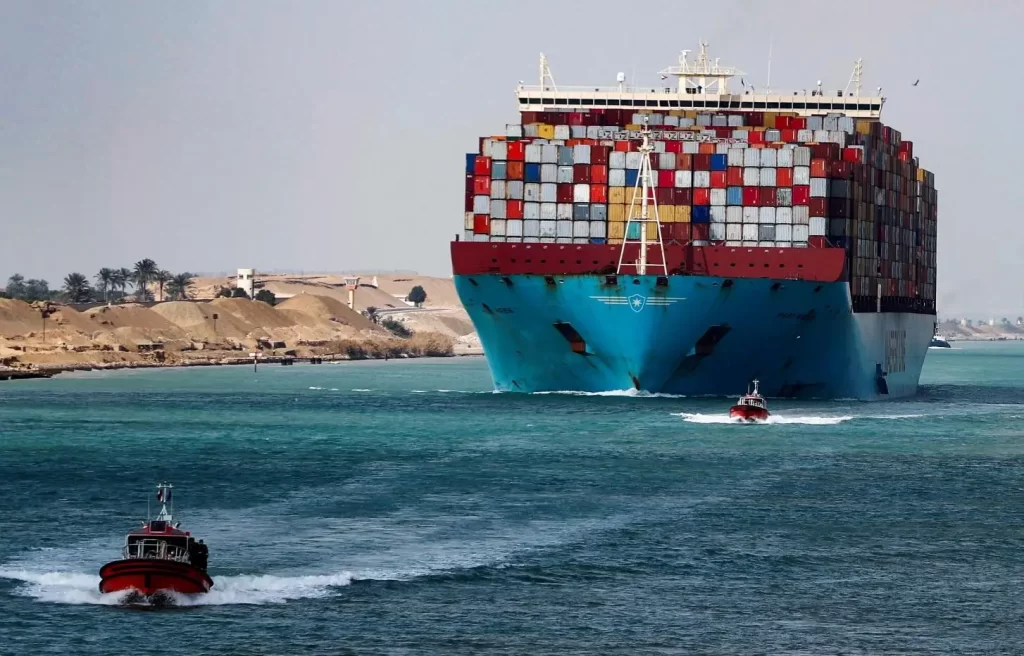
For first-time buyers, the biggest misconception is that the ocean voyage is the main challenge. In fact, most problems happen before the vessel sails or after the container lands. Door-to-door service is valuable because it connects every step into one accountable workflow, so you do not have to coordinate multiple vendors, translate different “rules,” or chase updates across time zones.
At Fexbuy, we define door-to-door as one controlled chain: warehousing → inspection → consolidation → shipping → customs declaration → delivery. The goal is not only movement. The goal is predictability.
What Door-to-Door Covers Beyond the Ocean Leg
When you buy Global Sea Transport Solutions, you are buying a full logistics system, not a port-to-port booking. Door-to-door means the provider manages the journey from the first pickup location to the final delivery address, including the parts of shipping that new buyers usually underestimate: cargo readiness, labeling accuracy, document alignment, customs responsibilities, and destination delivery coordination.
This is especially important for FCL (full container load) and LCL (less-than-container load) shipments. FCL often looks simpler because you have one container. LCL can look cheaper because you pay for a portion of space. But both require careful handling if you want stable lead time and fewer disputes.
With the right door-to-door model, the buyer gains practical benefits, not marketing words:
✅ One point of coordination from origin to destination
✅ Fewer handoff errors between warehouse, port, carrier, and trucking
✅ Clear responsibility when schedules shift or documents need revision
If you are new to sea freight, that last point matters most. When “everyone is responsible,” nobody is.
Pickup and Warehousing: Fix Small Issues Before They Become Port Problems
Door-to-door begins long before your cargo is near a port. Many delays start at the factory gate: the cartons are not ready, the pickup time is missed, packing is not strong enough for stacking, or the shipment details do not match the paperwork. These look like small issues locally, but at a port they become storage fees, rollovers, or customs holds.
A strong Global Sea Transport Solutions provider will help you standardize the basics: pickup scheduling, receiving checks, labeling, and pallet or crate inspection. At Fexbuy, we treat warehousing as an early “risk filter.” It is cheaper to correct a wrong label in a warehouse than to correct it when the cargo is already in the export process.
For new buyers, the most useful mindset is simple: warehousing is quality control for logistics. If you ship machinery, production equipment, or high-value items, this step protects both cargo value and project timelines. It also prevents the quiet mistakes that cause loud consequences later—missing shipping marks, unclear carton counts, or a packing list that does not reflect the real cargo.
Inspection and Consolidation: How LCL Becomes Safer and More Predictable
LCL is often a smart choice when you do not have enough cargo to fill a full container. But LCL also introduces a common risk: your goods share space with other shipments. That makes consolidation quality extremely important.
Consolidation is not “put boxes together.” It is the method that determines how cargo is grouped, protected, and documented before loading. Poor consolidation can lead to crushed cartons, mismatched labels, and disputes about what was loaded or when it was received.
Fexbuy supports inspection and consolidation to make LCL easier for first-time buyers. Instead of managing separate teams for receiving, checking, and loading coordination, you work through one process that stays consistent.
✅ Confirm carton count, outer labels, and shipping marks
✅ Match packing list details to the cargo actually received
✅ Consolidate cargo from multiple suppliers into one export shipment
This last point is a real advantage for cross-border buyers. If you source components from different factories, consolidation can reduce the number of export shipments you manage. It also helps you control how goods are separated for different destinations. One project may ship to the U.S. while another ships to Europe or the UK in the same week. Clean consolidation keeps those flows organized.
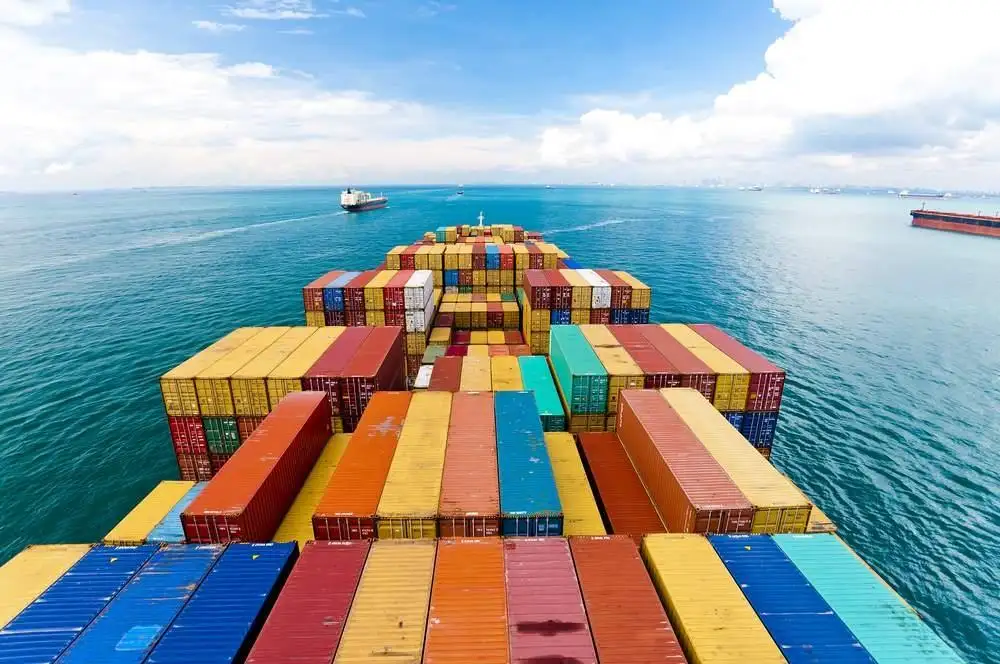
Ocean Freight Planning: Capacity, Carriers, and the Truth Behind “Cheapest“
New buyers often compare sea freight quotes as if price is the entire decision. Price matters, but it does not answer the operational questions: Can the shipment book smoothly? Will the route remain stable? Are cut-off times realistic? Are equipment and sailing options reliable for your trade lane?
This is where a door-to-door provider adds value. Fexbuy works with major ocean carriers, including COSCO, EMC, OOCL, CMA, and MSK, to match service levels to cargo type and destination needs. Carrier choices affect more than transit time. They influence sailing frequency, port options, and the availability of containers during busy periods.
Sea transport is often the right solution because it offers practical strengths that buyers can use as decision rules:
• High Capacity: sea freight can move huge volumes, heavy machinery, and bulk cargo that may be difficult or impossible to move by air or land.
• Flexibility: different vessel types support diverse cargo, including containerized goods, bulk (grain, coal), and liquid cargo (oil, chemicals), as well as specialized options like refrigerated transport for perishables.
• Lower Road Congestion Exposure: compared with long highway routes, ocean freight avoids many road congestion issues that can disrupt schedules.
A key benefit of modern shipping is container standardization. Standard containers reduce handling complexity, improve loading efficiency, and lower the risk of damage caused by repeated manual transfers. For buyers, that means fewer unknowns.
Customs and Trade Terms: DDP Vs DDU Without the Confusion
Customs is where first shipments often run into trouble—not because buyers are careless, but because roles are unclear. Door-to-door service should clearly define who handles clearance, who pays duties and taxes, and who controls delivery after import.
In Global Sea Transport Solutions, you will commonly see DDP and DDU in discussions:
DDP (Delivered Duty Paid): duties and taxes are handled under the agreed delivery plan, supporting a smoother “landed cost” approach for buyers who want fewer arrival steps.
DDU (Delivered Duty Unpaid): delivery is arranged, but duties and taxes are typically handled by the importer, which can be useful if you have a preferred broker or want direct payment control.
The practical rule is not “DDP is always easier” or “DDU is always cheaper.” The real rule is capability. If import experience is limited, DDP-style is the safer path against paperwork and payment hiccups. If you have strong customs support, DDU adds flexibility and control.
Fexbuy keeps everything legible for new buyers: concise doc requirements, accurate declarations, and a predictable handoff chain from port to door. The goal is to reduce customs from a stressful event into a planned step.
Delivery Networks: Why Real Door-to-Door Depends on Coverage
Door-to-door only works if the network is real. A provider needs partners at origin and destination to coordinate trucking, port handling, and last-mile delivery. Without that network, “door-to-door” can quietly turn into “port-to-port, plus extra emails.”
Fexbuy is a WCA member and works through 200+ overseas agents, supporting door-to-door execution across common trade lanes. For customers, this becomes practical outcomes, not abstract credentials:
✅ Faster issue resolution at destination ports
✅ Better coordination for delivery appointments and local requirements
✅ More consistent service experience across regions
Our door-to-door solution supports pickup in China, Japan, Malaysia, Indonesia, and Cambodia, with delivery coverage to the USA, Europe, the UK, and Africa. This fits many cross-border models: sourcing in Asia, selling globally, and needing a logistics partner that can manage the full journey with fewer gaps.
CTA: If you are planning a door-to-door shipment and want fewer surprises, contact Fexbuy with your cargo type, pickup location, and destination country. We will recommend the right FCL or LCL plan, explain DDP vs DDU based on your team’s capability, and map a step-by-step route you can manage with confidence. Contact us now to start your transportation journey—sea to air, with one team controlling the details.


