


Global Air Shipping: When Speed Beats Cost For High-Value Goods
Global Air Shipping is not only about moving cartons faster. It is about protecting cargo value when time, capacity, and disruption risks are rising. For companies shipping high-value goods in 2026, the real question is simple: is the freight bill higher, or is the cost of being late higher? When winter blizzards hit parts of the U.S. and Europe, airports can lose throughput in hours. Flight schedules compress. Cargo queues grow. A “normal” lead time can turn into a backlog that spills into the next week.
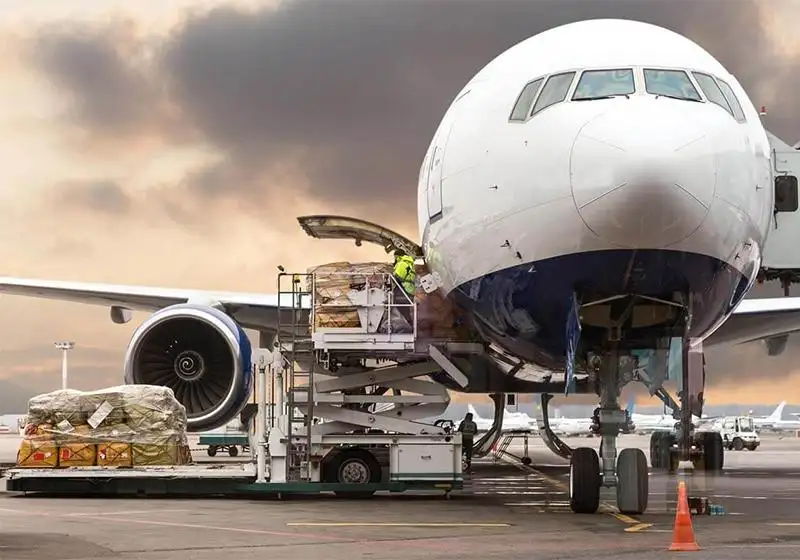
At Fexbuy, we see the same pattern every year: weather does not just slow planes. It slows ground handling, documentation flow, and last-mile delivery. If your shipment is valuable, time-sensitive, or launch-critical, planning for these realities is part of smart logistics.
1) Why Speed Can Be Cheaper Than “Cheap Freight“
Air transport is widely viewed as the fastest way to move goods over long distances. But speed matters most because it reduces exposure time. Less time in transit means fewer delays, fewer handoffs, and fewer points where something can go wrong.
For high-value cargo, the hidden cost of slow shipping often exceeds the freight savings. Many companies only discover this after the first disruption.
• A delayed component can pause production and increase overtime costs
• A late sample can block approvals, testing, and customer sign-off
• A missed launch window can weaken an entire quarter’s sales plan
This is why Global Air Shipping is often a risk-control tool, not a premium add-on. It is used to protect timelines, protect revenue, and reduce the operational drag caused by waiting.
2) When Global Air Shipping Wins for High-Value Goods
Not every product belongs on a plane. Air shipping is not “better” in every situation. If timing and condition shape ROI, Global Air Shipping fits best.
• High-value items where lateness impacts cash and customer confidence
• Inventory tied to launch dates, promo windows, and contract terms
• Samples, prototypes, and documents that unblock sign-offs
• Goods where prolonged transit increases damage, loss, or rework
2026 solution: combine modes—sea/ground for bulk movement; air to close gaps and maintain service levels. It is a controlled strategy, not an emotional decision.
How to Decide in One Minute?
Ask one question: If this shipment arrives five days late, what breaks?
If the answer includes production, revenue, customer delivery, or compliance, air shipping deserves a serious look.
3) The 2026 Reality: Snowstorms Can Break the Best Plan
Many companies assume air is “less affected by weather” than road or sea. In practice, severe winter conditions can disrupt air networks fast. Recent blizzards in the U.S. and snow and ice events in parts of Europe have shown a consistent chain reaction:
Airports may restrict operations. Flights may be rescheduled or canceled. Ramp handling slows down. De-icing takes time. Cargo that was booked can miss uplift even when the aircraft eventually departs. After the storm passes, recovery is not instant. Backlog must clear, and networks need time to rebalance.
Here is what this means for Global Air Shipping timelines:
• Airport throughput can drop due to runway clearing and de-icing cycles
• Ground crews may face staffing limits and slower loading windows
• Cargo may roll to later flights if cut-off times are missed
• Last-mile delivery can be delayed by road restrictions or local snow
The key point is not to fear winter. The key point is to plan like winter is real. Companies that build a buffer and choose flexible routing recover faster.
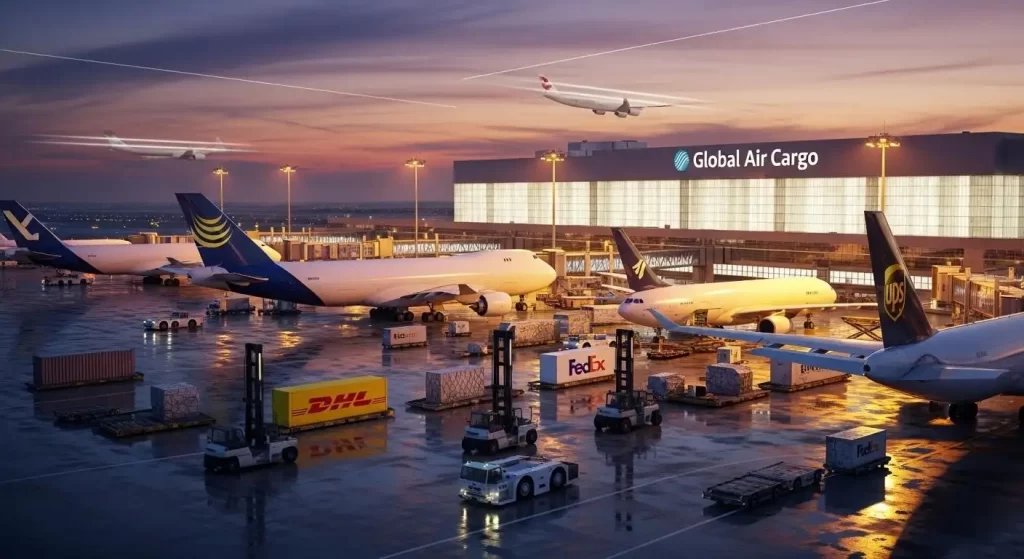
4) What Actually Drives Delivery Time in Global Air Shipping
For companies new to air logistics, it is easy to focus on flight time. But flight time is only one slice of the timeline. Real delivery time is controlled by the system around the flight.
Four factors typically decide whether you are early, on time, or late:
• Space And Booking Access
Capacity tightens quickly during peak weeks and disruptions. If you cannot secure space early, you may lose the schedule you planned for.
• Cut-Off Discipline
Missing a cut-off can push cargo into the next cycle. The delay may look small on paper, but it can cascade through customs windows and delivery appointments.
• Documentation Quality
Small errors can create holds. Holds create queues. Queues create missed uplift. For high-value goods, document accuracy is not clerical work. It is schedule protection.
• Ground Transfer And Last-Mile Conditions
Even after landing, local conditions matter. Snow can slow truck transfers and reduce delivery capacity, especially during extreme weather days.
At Fexbuy, we help companies manage these “hidden hours,” because most delays happen before uplift or after landing, not in the air.
5) Fexbuy‘s Advantages, Turned Into Practical Company Benefits
Many providers describe air service as “fast, safe, punctual.” Companies benefit more when these words are translated into operational outcomes.
- Qualified Operations That Reduce Process Risk
Our operator holds a China Airlines Association ITAT certificate. For companies, this supports standardized handling and documentation practices. The practical value is simple: fewer avoidable errors, smoother processing, and better control for time-critical shipments.
- Multiple Airline Booking Channels For Better Resilience
We maintain booking access across multiple airlines, including EK, MU, CX, LH, AF, and others. This is useful because capacity and routing change quickly during disruptions.
For companies, flexible airline options can mean:
• Better resilience when one lane is full or temporarily constrained
• More routing choices to match delivery targets and recovery plans
• Faster rebooking when weather reduces available uplift
- Packaging Options That Protect Arrival Quality
High-value goods do not only need speed. They need arrival quality. We provide various box packaging options because the outer carton and internal protection are part of the shipment’s success.
Practical packaging outcomes include:
• Strong outer cartons that reduce impact risk in handling
• Proper internal protection that reduces cosmetic damage and rework
• Clear labels that reduce mishandling at terminals and during transfers
In short, packaging is not an afterthought. It is a way to protect the product you already paid to manufacture.
6) A Simple Checklist For Companies and Next Steps
If your company is evaluating Global Air Shipping, do not start with “What is the lowest rate?” Start with “What is the cost of being late?”
Use this checklist to make the decision clear:
• Is the cargo high-value or launch-critical?
• Will a delay stop production, sales, or customer delivery?
• Does the shipment need fewer touchpoints and stricter handling?
• Do you require a predictable arrival window for planning?
• Are you shipping during winter risk periods when storms can reduce capacity?
If you answer “yes” to two or more items, Global Air Shipping is likely the better business decision—especially when the goal is to protect revenue and timelines, not just reduce the freight line item.
CTA: Want a Global Air Shipping Plan Built for Winter Reality?
Fexbuy provides door-to-door international express delivery to USA, Europe, the UK, and Africa. Share your destination, cargo type, value level, and required delivery window. We will propose a Global Air Shipping route and packaging plan designed for speed, security, and schedule control—plus practical buffers for severe-weather weeks.


