


How Do Delivery Speeds Affect Cross-Border Shipping Rates?
Cross-Border Shipping Rates are not random numbers that carriers pull out of thin air. They are the result of very specific choices about delivery speed, routes, and how much risk you are prepared to carry in your supply chain. If you sell across borders, the time it takes to deliver an order has a direct impact on both your logistics costs and your customer experience.
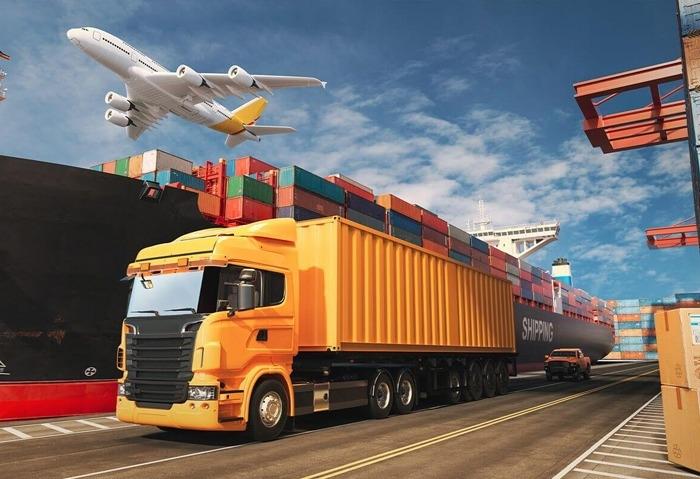
Why Faster Delivery Pushes Cross-Border Shipping Rates Up
Think about what happens when a shopper hits “checkout” and expects the order to arrive in just a few days. Inside your business, someone has to answer a simple but painful question: how much are we willing to pay to keep that promise?
Speed is not just about moving a package from A to B more quickly. When you ask a carrier to move faster, you are asking them to reshape their operations around your shipment. That means extra effort, more coordination, and usually a higher bill.
In practice, several factors push Cross-Border Shipping Rates higher when you choose fast delivery:
✅ Limited capacity on fast lanes
Planes, express trucks, and priority space on vessels are not unlimited. During peak seasons like Black Friday or major holidays, space gets tight. Carriers know this and raise prices on fast services because demand is high and capacity is scarce.
✅ Tight delivery promises mean less room for error
If you target 3 – 5 days instead of 10 – 15, the network has far less flexibility. Carriers may add backup routes, extra handling, or premium linehaul to keep your shipment on schedule. Each “just in case” measure comes with a cost that ends up reflected in your Cross-Border Shipping Rates.

✅ Premium routes and customs shortcuts
Express products often use faster customs corridors, dedicated terminals, or special processing channels. These are designed for speed and predictability, not cheapness. You are paying to reduce uncertainty as much as to reduce time.
This is where many brands feel stuck in the classic speed-versus-margin trap. Customers say they want fast and cheap at the same time. If you lean too hard on express, your profit quietly erodes. If you push everything to slow, low-cost options, you risk more abandoned carts and unhappy reviews. The trick is not to always ship fast or always ship slow, but to know which orders actually justify paying a premium.
How Sea Transport Helps Stabilize Costs and Risk
Most cross-border supply chains are built on a mix of modes: air, road, courier, and sea. When you are not under extreme time pressure, sea freight can be one of your strongest tools for bringing Cross-Border Shipping Rates under control.
- Moving Large Volumes at a Lower Cost
A single container vessel can carry thousands of containers at once – filled with apparel, electronics, parts, or food. Because so much freight travels together, the cost per unit is usually much lower than air or dedicated road transport.
For many businesses, that means anything that does not need to arrive “right now” can go by sea: regular replenishment, planned campaigns, long-running products. Transit times are longer, but your average Cross-Border Shipping Rates drop, and you get more room to work on pricing and promotions.
- Reliable Timetables, Fewer Daily Disruptions
Sea freight is not perfect, of course. Weather events and port congestion still happen. But ships do not sit in the same unpredictable traffic jams that trucks face on busy highways. On top of that, maritime transport is tightly regulated at the international level, which helps keep accidents and severe disruptions relatively low.
For planners, this kind of predictability is gold. You can design your supply chain around stable lead times, position inventory near key ports, and keep emergency air shipments for truly critical moments instead of routine orders. Over time, this cuts back on your highest Cross-Border Shipping Rates and makes your logistics team’s life easier.
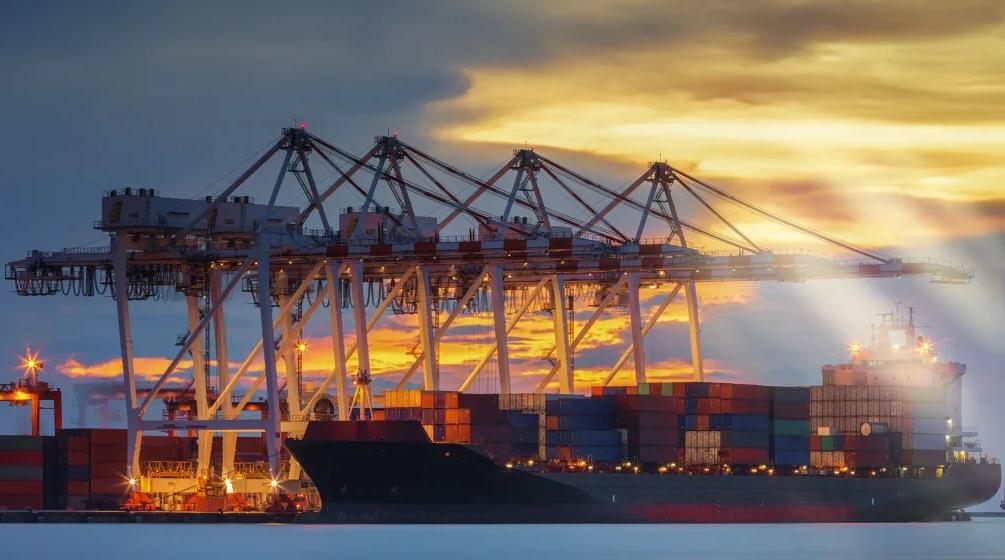
- One Mode, Many Cargo Types
Ocean shipping is built for variety. It can move:
✅ Bulk loads like grain, coal, ores, and other raw materials
✅ Liquid cargo, from petroleum products to chemicals
✅ Standard containers filled with consumer goods and components
✅ Chilled and frozen products in reefer containers
This flexibility lets you segment your logistics plan by product category, rather than treating every cross-border order the same. You can:
- Use sea transport for base stock, large restocks, and stable demand.
- Reserve air or express for launches, last-minute promotions, and high-value urgent orders.
As you push more volume through efficient sea routes, you usually gain better negotiating power and more predictable Cross-Border Shipping Rates across all your lanes.
Turning Delivery Time into a Competitive Advantage
Shipping speed should work for your business, not against it. There is no universal best option – only the option that aligns with your assortment, your brand promise, and your profit targets. The most resilient brands treat delivery time as part of their strategy, not just a line item in the TMS.
- Smart Questions to Ask about Delivery Speed
Before you commit to faster transit and higher Cross-Border Shipping Rates, stop for a moment and consider a short list of practical questions:
- What did you actually promise at checkout?
If your site says “7 – 10 business days,” do you really need to ship everything on a 3-day service? Make sure your Cross-Border Shipping Rates match your promise, not your anxiety.
- Is this shipment truly urgent?
A new product drop, a crucial B2B order, or a stock-out fix might deserve air or express. A routine replenishment usually does not. Labeling shipments as “urgent” by default is one of the fastest ways to burn through your logistics budget.
- Can better planning unlock slower modes?
With more accurate forecasting and earlier ordering, you can move a larger share of your volume to sea or economy options. That frees up budget for the moments when speed really matters.
- What do your customers value more – time or price?
Some customers are happy to wait longer if shipping is cheaper or free. Others will gladly pay extra for express. Testing different delivery options at checkout can quickly show you where your audience sits on the time-versus-money scale.
- Using Data and Tools to Support Speed Decisions
The good news is that you do not have to guess. Modern logistics platforms and experienced shipping partners can help you:
✅ Compare sea, air, road, and express services in one place
✅ See estimated Cross-Border Shipping Rates by lane, carrier, and transit time
✅ Run “what if” simulations, like shifting a share of air freight to sea
✅ Set smart rules based on weight, destination, or service level
Once you see the data laid out clearly, patterns jump out. Data makes it much easier to see where you are overspending on express services that buyers barely notice, and where slower delivery is clearly dragging on sales. Modest changes – switching tiers on a few key routes or tightening the delivery promises on your website – can translate into meaningful savings over the course of a year.
- Bring Discipline to Your Cross-Border Shipping Rates
If you feel pressure from both sides – higher Cross-Border Shipping Rates on one hand and rising customer expectations on the other – you are in familiar territory. Many teams default to the fastest option because it feels safe, even when a slightly slower, well-planned service would be more than enough.
A more disciplined approach begins with a small, focused test:
- Shortlist one or two lanes with significant volume.
- Measure cost, on-time delivery, and satisfaction at existing speeds.
- Reallocate a portion of shipments to slower services and track the impact week by week.
- Use the results to double down on what works and quietly drop what does not.
��� Call to Action
If you want to fine-tune both speed and cost, look for a logistics platform or partner that can analyse your shipments, compare transport modes, and help you design a smarter mix of services. A few strategic adjustments in transit time can dramatically improve your Cross-Border Shipping Rates and strengthen your bottom line on every international order.


